
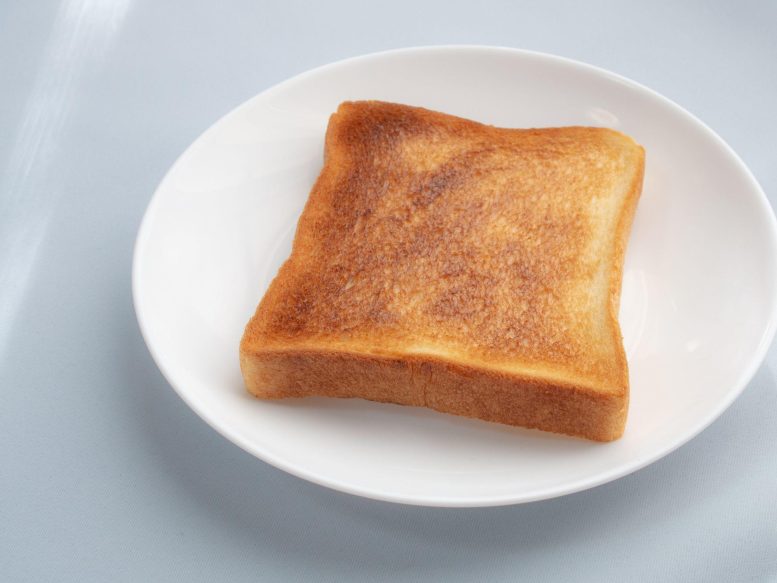
Scientists are striving to transform British diets by incorporating more domestically grown beans into our daily bread.
University of Reading researchers and chefs hope to encourage British consumers and food producers to adopt bread made with faba beans (also known as broad beans), which they believe will lead to a healthier diet and a reduction in environmental harm.
The “Raising the Pulse” project, which has received £2 million in public funding over a three-year period, has officially launched and has recently been announced in the Nutrition Bulletin journal.
Five teams of researchers within the University of Reading, along with members of the public, farmers, industry, and policymakers, are now working together to bring about one of the biggest changes to UK food in generations.
This is by increasing pulses in the UK diet, particularly faba beans, due to their favorable growing conditions in the UK and the sustainable nutritional enhancement they provide. Despite being an excellent alternative to the ubiquitous imported soya bean, used currently in bread as an improver, the great majority of faba beans grown in the UK go to animal feed at present.
Researchers are optimizing the sustainability and nutritional quality of beans grown here, with a view to encouraging farmers to switch some wheat-producing land to faba bean for human consumption.
Faba beans are particularly high in easily digested protein, fiber, and iron, nutrients that can be low in UK diets. But the majority of people are not used to cooking and eating faba beans, which poses a major challenge.
Professor Julie Lovegrove is leading the “Raising the Pulse” research program. She said: “We had to think laterally: What do most people eat and how can we improve their nutrition without them having to change their diets? The obvious answer is bread!
“96% of people in the UK eat bread, and 90% of that is white bread, which in most cases contains soya. We’ve already performed some experiments and found that faba bean flour can directly replace imported soya flour and some of the wheat flour, which is low in nutrients. We can not only grow the faba beans here, but also produce and test the faba bean-rich bread, with improved nutritional quality.”
“Raising the Pulse” is a multidisciplinary program of research, funded by the UKRI Biotechnology and Biological Sciences Research Council, as part of their “Transforming UK Food Systems” initiative.
As well as consulting and working with members of disadvantaged communities, there will be studies using our novel foods at the University of Reading’s students halls of residence and catering outlets.
This links “Raising the Pulse” with Matt Tebbit, who runs the University’s catering service and leads the University’s “Menus for Change” research program. He said: “Students will be asked to rate products made or enriched with faba beans, such as bread, flatbread, and hummus. They will be asked questions about how full they felt, for how long, and their liking of the foods. It is hoped that faba bean will improve satiety, as well as provide enhanced nutritional benefits in products that are enjoyable to eat.”
Before there are products to be tested, the beans must be grown, harvested, and milled. “Raising the Pulse” seeks to improve these stages as well. Researchers will be choosing or breeding varieties that are healthful as well as high yielding, working with the soil to improve yield via nitrogen-fixing bacteria, mitigating environmental impacts of farming faba beans, planning for the changing climate and more.
Reference: “‘Raising the Pulse’: The environmental, nutritional and health benefits of pulse-enhanced foods” by Julie A. Lovegrove, Donal M. O’Sullivan, Paola Tosi, Elena Millan, Lindsay C. Todman, Jacob Bishop, Afroditi Chatzifragkou, Miriam E Clegg, John Hammond, Kim G. Jackson, Philip J. Jones, Stella Lignou, Anna L. Macready, Yvonne McMeel, Jane Parker, Julia Rodriguez-Garcia, Paul Sharp, Liz J. Shaw, Laurence G. Smith and Matt Tebbit, 17 January 2023, Nutrition Bulletin.
DOI: 10.1111/nbu.12601
Never miss a breakthrough: Join the SciTechDaily newsletter.
Follow us on Google and Google News.
1 Comment
I prefer eating by Faba beans with a Nice Chianti, LOL.