

New cell therapy offers potential treatment option for patients with chronic heart failure.
Physician-scientists at The Texas Heart Institute announced today the results of the largest cell therapy trial to date in patients with chronic heart failure due to low ejection fraction. The therapy benefited patients by improving the heart’s pumping ability, as measured by ejection fraction, and reducing the risk of heart attack or stroke, especially in patients who have high levels of inflammation. Also, a strong signal was found in the reduction of cardiovascular death in patients treated with cells. The findings will be published today (February 27, 2023) in the Journal of the American College of Cardiology.
Investigators in this landmark clinical trial have shown that a special immunomodulatory cell type called MPC (mesenchymal precursor cells) developed by Mesoblast Inc., has the potential for the first time to address a major contributor to heart failure—inflammation. Patients in the trial were on full guideline-recommended drug therapy for heart failure, suggesting that the effect of the cell therapy was synergistic with and additive to state-of-the-art heart failure medications.
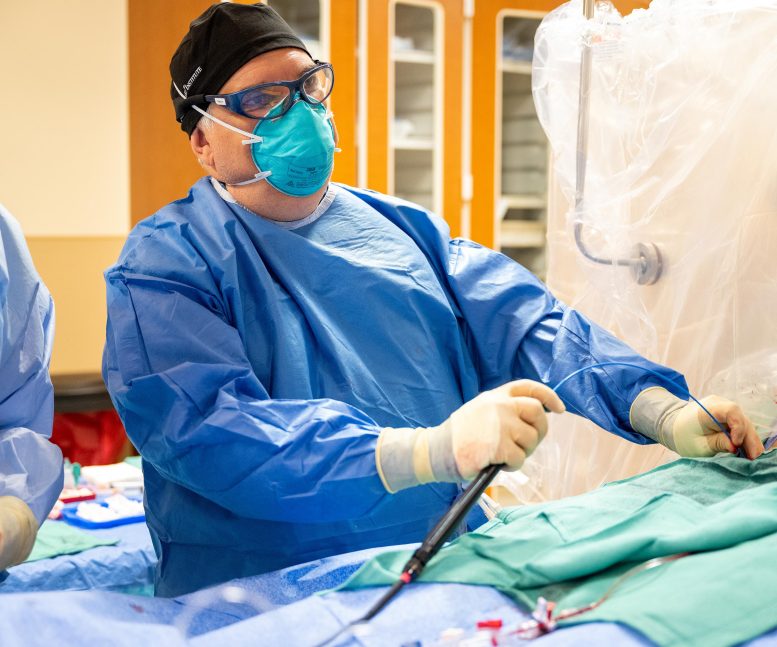
The Burden of Chronic Heart Failure
More than 6 million Americans have chronic heart failure, a progressive disease that leads to a weakening of the heart muscle and a loss of its pumping function. Most heart failure drugs used today are aimed at addressing the detrimental changes that occur in the heart as a result of complex neurohormonal pathways that are activated during heart failure to compensate for poor heart function.
These activated pathways eventually contribute to the progression of heart failure and repeated hospitalizations. Despite advances in therapies targeting these pathways, mortality rates remain high. The unique mechanism of action of MPC appears to provide an alternative approach that has the potential to make a significant impact on the high mortality of this disease.
DREAM-HF (Double-Blind Randomized Assessment of Clinical Events With Allogeneic Mesenchymal Precursor Cells in Heart Failure), sponsored by Mesoblast, was a phase 3 trial performed at 51 sites in 565 patients with chronic heart failure, who were also on standard-of-care heart failure treatment. The study, which had a mean follow-up of 30 months, was designed to examine the effects of MPC comprising immunoselected, culture-expanded mesenchymal precursor cells (MPCs), on the number of hospitalizations and major adverse cardiovascular events in heart failure.
MPCs are a good candidate for use in heart failure with low ejection fraction because they have potent anti-inflammatory, pro-angiogenic, and pro-healing effects. The cells were obtained from the bone marrow of healthy adult donors. Cell-treated patients in the study received direct cardiac injections of MPCs, and control patients underwent a “sham” or mock procedure with no injections.
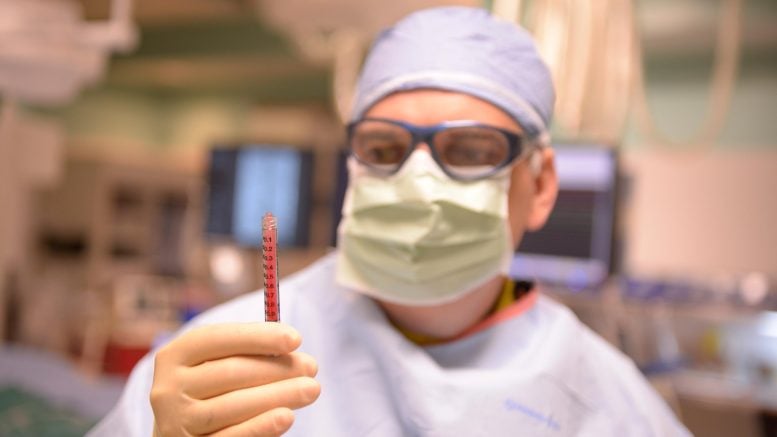
MPC-treated patients showed a significant strengthening of the left ventricular muscle within the first 12 months as measured by an increase in left ventricular ejection fraction, which measures the heart’s pumping ability and is one of the metrics used to assess overall heart function. Over a mean follow-up of 30 months, treatment with MPCs reduced the risk of cardiovascular death, heart attack, or stroke, with a greater decrease in patients with increased inflammation.
MPC treatment reduced the rate of heart attack or stroke by 58%, and the benefit rose to 75% in patients who had high levels of a blood marker for inflammation. Similarly to what was seen with these major adverse cardiovascular events, improvement in ejection fraction was even more pronounced in patients with higher inflammation levels. MPC therapy did not further reduce recurrent heart failure events requiring hospitalization over and above the effects of traditional drugs which reduce circulating volume overload caused by the maladaptive effects of neurohormonal activation. This aspect of heart failure treatment is already addressed by the currently available medications.
Mechanisms of Action in MPC Therapy
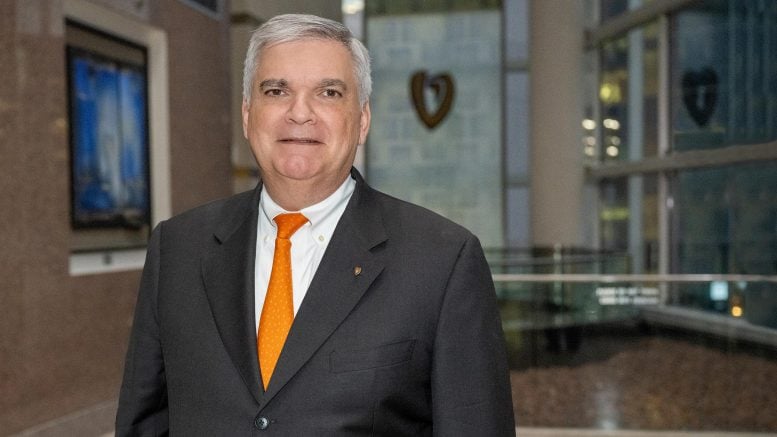
“The results of DREAM-HF are an important step in understanding how cell therapy provides benefits in patients with chronic heart failure due to poor pump function. The cells appear to work by reducing inflammation, increasing microvascular flow, and strengthening heart muscle. Locally, in the heart, the MPCs can protect cardiac muscle cells from dying and can improve blood flow and energetics. In large blood vessels throughout the body, the reduced inflammation resulting from the activation of MPCs may decrease plaque instability, which is what leads to heart attacks and strokes. The cells seem to have a systemic immune-modulatory and anti-inflammatory effect,” according to the study’s lead author, Dr. Emerson C. Perin, MD, PhD, FACC, Medical Director at The Texas Heart Institute.
The DREAM-HF findings of long-term improvements in outcomes for patients with chronic heart failure due to low ejection fraction and poor pump function are an important milestone in the field of cell therapy for cardiovascular disease. The results help in identifying those heart failure patients with inflammation who are at greatest risk and most likely to benefit from MPC therapy and findings will be confirmed in future studies. This seminal trial sets the stage for eventually adding cell therapy to the treatment arsenal for heart failure.
“The Texas Heart Institute has spent two decades pioneering the development of cellular therapies for the heart and continues to lead the world in this breakthrough work. For millions of people in the United States over the age of 20 who suffer from heart failure, MPC therapy could change the future of cardiovascular care for patients with heart failure due to inflammation,” according to Dr. Joseph G. Rogers, CEO and President of The Texas Heart Institute and advanced heart failure specialist.
Reference: “Randomized trial of targeted transendocardial mesenchymal precursor cell therapy in patients with heart failure” by Emerson C. Perin MD, PhD, Kenneth M. Borow MD, Timothy D. Henry MD, Farrell O. Mendelsohn MD, Leslie W. Miller MD, Elizabeth Swiggum MD, Eric D. Adler MD, David H. Chang MD, R. David Fish MD, Alain Bouchard MD, Margaret Jenkins BSc (Hons), Alex Yaroshinsky PhD, Jack Hayes MA, Olga Rutman PhD, Christopher W. James PA, Eric Rose MD, Silviu Itescu MD and Barry Greenberg MD, 27 February 2023, Journal of the American College of Cardiology.
DOI: 10.1016/j.jacc.2022.11.061
Never miss a breakthrough: Join the SciTechDaily newsletter.
Follow us on Google and Google News.