
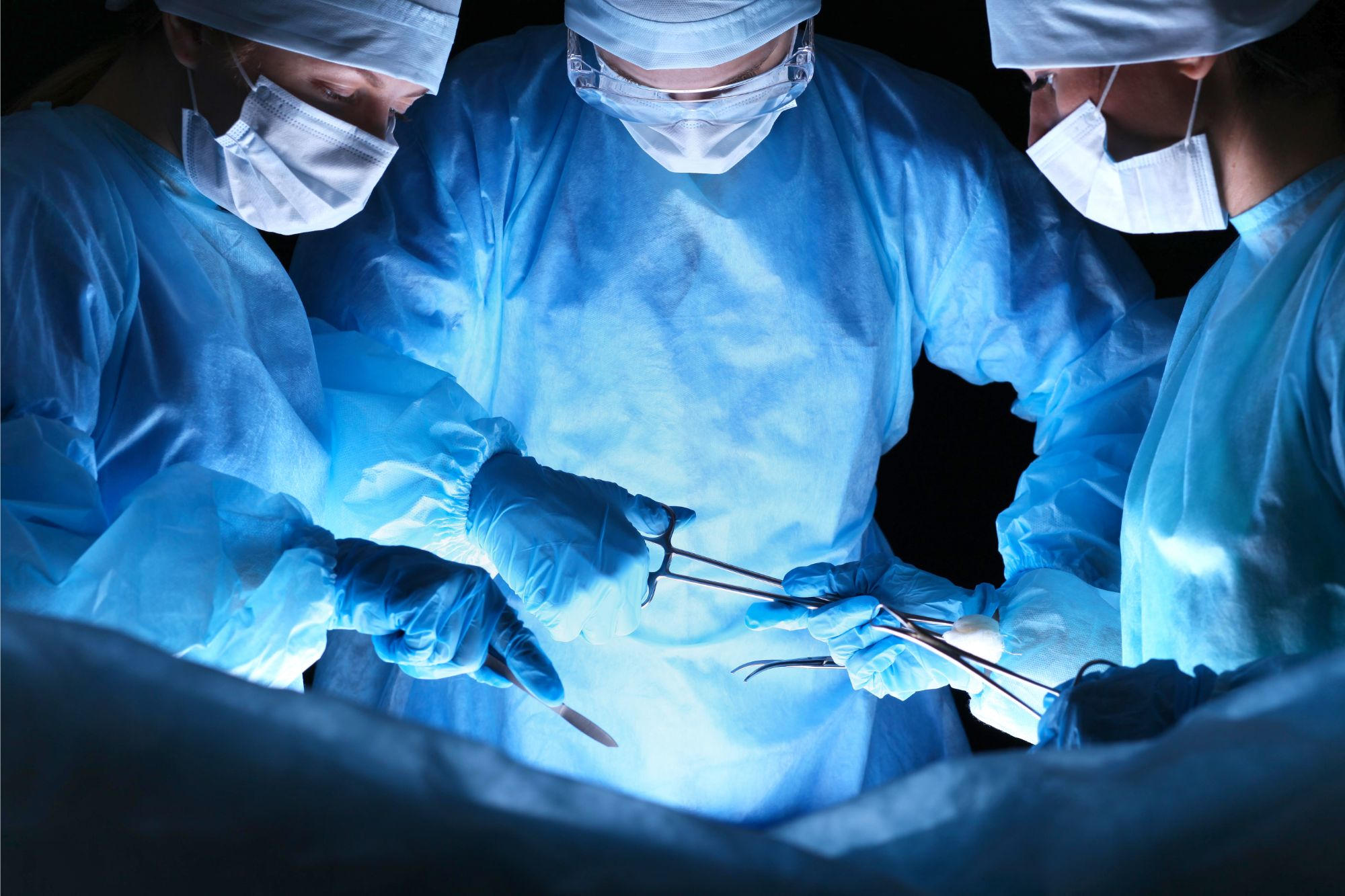
A study conducted across 11 Massachusetts hospitals reveals a concerning 38% rate of adverse events during surgical procedures, with nearly half being severe.
Despite technological and procedural advancements in surgical safety since 1991, these preventable harms persist, indicating a critical need for enhanced safety measures and patient involvement in healthcare practices.
High Rates of Surgical Adverse Events
A new study published today (November 13) in The BMJ reveals that more than a third (38%) of adults undergoing surgery experience adverse events, based on data from 11 hospitals in Massachusetts. Among the 1,009 admissions analyzed, nearly half of these adverse events were classified as major, involving serious, life-threatening, or fatal harm, with the majority deemed potentially preventable.
Although this study may not fully reflect all hospitals, the findings highlight that “adverse events remain widespread in contemporary healthcare, causing substantial and preventable patient harm during hospital admission,” according to the researchers.
Current State of Hospital Safety
Adverse events—negative effects from treatments like medication or surgery—pose a significant risk to patient safety and are a major cause of harm in hospitals.
Since the 1991 Harvard Medical Practice Study revealed the extent of unintended injuries caused by medical care, there have been transformative changes in surgical care, such as increased use of minimally invasive procedures, implementation of surgical safety checklists, and enhanced recovery after surgery protocols.
However, an updated assessment of surgical safety is needed to establish a precise reference point for continuous quality improvement.
Study Methodology and Key Findings
Researchers therefore set out to estimate the frequency, severity and preventability of adverse events associated with perioperative care (from before surgery to full recovery), and to describe the setting and professions concerned.
Their findings are based on a randomly selected sample of 1009 patients aged 18 years and older admitted to 11 hospitals in Massachusetts for surgery in 2018. The hospitals were chosen to represent a mix of both large and small facilities across three different healthcare systems and estimates were weighted to take account of differences in the sample population.
Trained nurses reviewed all records and flagged admissions with possible adverse events, which were then adjudicated by physicians. Adverse events were classified as major if they resulted in serious harm requiring significant intervention or prolonged recovery, involved a life-threatening event, or led to a fatal outcome.
The severity and preventability of adverse events were also assessed according to the type of event, setting, and profession involved.
Impact and Prevention of Surgical Adverse Events
Of the 1009 reviewed admissions (average age 61; 52% women), adverse events were identified in 383 (38%), with major adverse events occurring in 160 (16%).
Of 593 identified adverse events, 353 (60%) were potentially preventable and 123 (21%) were definitely or probably preventable.
The most common adverse events were related to surgical procedures (49%), followed by adverse drug events (27%), healthcare-associated infections (12%), patient care events, such as a fall or pressure ulcer (11%), and blood transfusion reactions (0.5%).
Half of these events took place in general care units, followed by operating rooms (26%), intensive care units (13%), and other in-hospital locations (7%). Professions most often involved were attending physicians (90%), followed by nurses (59%), residents (50%), and advanced-level practitioners (29%).
These are observational findings and the authors acknowledge that their analysis was confined to Massachusetts in 2018, so may not apply to other healthcare settings, and that they relied on the accuracy of electronic health record data.
In addition, some events considered preventable nowadays may not have been deemed so at the time when the care was initially delivered.
By establishing an updated reference point, this study shows that adverse events “remain widespread in contemporary healthcare, causing substantial and preventable patient harm during hospital admission,” they write.
“The problem is not solely a concern for surgeons in operating rooms but involves healthcare professions throughout the hospital during perioperative care,” they add, “indicating the need to reassess how the structure of healthcare contributes to these ongoing challenges.”
Editorial Insight on Patient Safety
After all these years, why has patient safety not improved, asks Helen Haskell, president of Mothers Against Medical Error, in a linked editorial.
Possible reasons include a culture of disrespect, inadequate nurse staffing, and failure to take advantage of available technology that would allow real-time detection and possibly prevention of adverse events.
All undoubtedly have played a part, says Haskell, but she argues that little progress has been made in including patients and families in unraveling the causes and effects of errors in their care.
“If we are truly interested in advancing patient safety, patients and families need to be empowered to weigh in on the accuracy of the accounts of their own care and participate in finding solutions,” she concludes.
Reference: “Safety of inpatient care in surgical settings: cohort study” by Antoine Duclos, Michelle L Frits, Christine Iannaccone, Stuart R Lipsitz, Zara Cooper, Joel S Weissman and David W Bates, 13 November 2024, BMJ.
DOI: 10.1136/bmj-2024-080480
Never miss a breakthrough: Join the SciTechDaily newsletter.
Follow us on Google and Google News.
2 Comments
They say “trust the experts”, while the experts are chasing the bottom line.
What in the world is “a culture of disrespect” in Massachusetts hospitals?