

A new study links “perfect” parenting expectations to widespread parental burnout and increased mental health issues in children.
Society places an immense amount of pressure on parents to be “perfect,” and in striving to achieve this unrealistic goal, they may experience parental burnout. Parental burnout occurs when the chronic stress and exhaustion from parenting overwhelm a parent’s ability to cope and function effectively.
In a new study on parental burnout, researchers from the Ohio State University College of Nursing and the university’s Office of the Chief Wellness Officer found that the pressure to be a “perfect” parent is not only unrealistic but also harmful to parents and their children.
Nationwide Survey Findings
The researchers conducted a survey of over 700 parents nationwide between June 15 and July 28, 2023. They found that 57% of the parents surveyed experienced burnout.
The results of the survey, summarized in the report “The Power of Positive Parenting: Evidence to Help Parents and Their Children Thrive,” found that parental burnout is strongly associated with internal and external expectations, including whether one feels they are a good parent, perceived judgment from others, time to play with their children, the relationship with their spouse, and keeping a clean house. Additionally, the study indicated that a lighter load of structured extracurricular activities and more free play time with children could mitigate mental health issues in children, such as anxiety and depression.
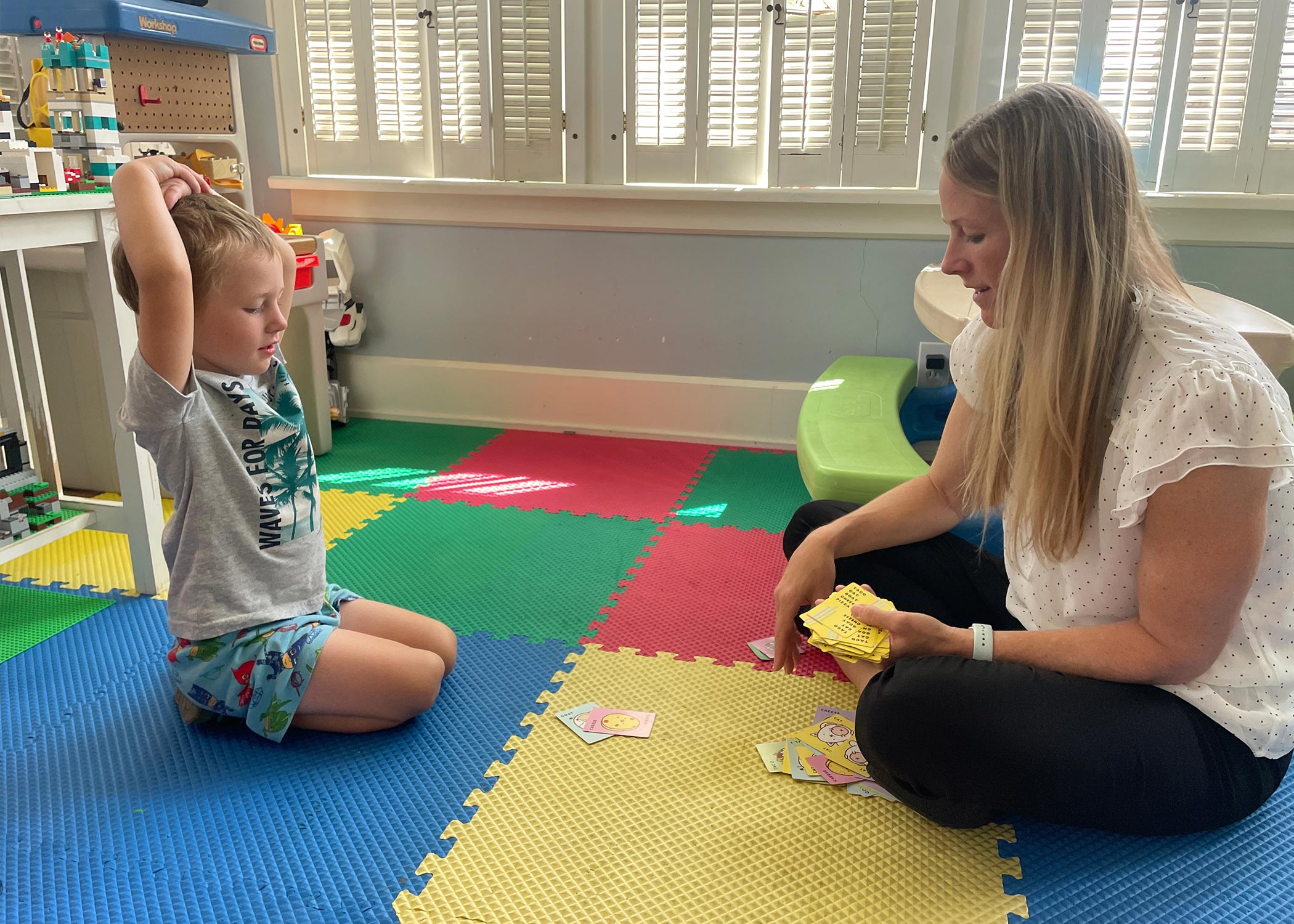
Researchers leading a national dialogue about parental burnout from The Ohio State University College of Nursing and the university’s Office of the Chief Wellness Officer say “no,” and a new study finds that pressure to try to be “perfect” leads to unhealthy impacts on both parents and their children. Credit: The Ohio State University College of Nursing
The Impact of Parental Mental Health
The profound impact of parental mental health and behaviors on children is also emphasized in the study. When children suffer from mental health disorders, parents often experience increased burnout, which may lead to more frequent incidents of insulting, criticizing, screaming at, cursing, or physically disciplining their children. Such instances of heightened parental burnout and aggressive parenting behaviors correlate with a rise in mental health issues among children.

Influence of Social Media
Kate Gawlik, DNP, a lead researcher and a working mother, discusses how social media has amplified the pressures of parenting. “I think social media has just really tipped the scales,” said Gawlik, who is also an associate clinical professor at the Ohio State College of Nursing. “You can look at people on Instagram or you can even just see people walking around, and I always think, ‘How do they do that? How do they seem to always have it all together when I don’t?’ ”
“We have high expectations for ourselves as parents; we have high expectations for what our kids should be doing. Then on the flipside, you’re comparing yourself to other people, other families, and there’s a lot of judgment that goes on. And whether it’s intended or not, it’s still there,” she adds.
A Culture of Achievement
The study reveals that the significant expectations from what Gawlik calls a “culture of achievement” lead to burnout, which in turn leads to other, potentially debilitating issues.
“When parents are burned out, they have more depression, anxiety and stress, but their children also do behaviorally and emotionally worse,” said Bernadette Melnyk, PhD, FAAN, vice president for health promotion and chief wellness officer at Ohio State. “So it’s super important to face your true story if you’re burning out as a parent and do something about it for better self-care.”
Updated Research and Strategies for Positive Parenting
In their report, Gawlik and Melnyk outline the updated Working Parent Burnout Scale they developed in 2022, which helps parents assess and address their burnout.
The researchers also provide new guidance on positive parenting strategies, techniques, and tips to form deeper connections with one’s children. “Positive parenting is when you give your children a lot of love and warmth, but you also provide structure and guidance in their life,” Melnyk explained. “You gently teach them consequences of behaviors. So that is a much better goal to shoot for being a positive parent than a perfect parent.”
These strategies include:
- Connection and active listening
- Catching, checking, and changing negative thoughts into positive ones
- Readjusting expectations for the parent and the child
- Reflecting and acting on priorities
“If maybe you’re prioritizing making sure your house is spotless all the time, but then you don’t feel like you have time to go for a walk every night with your children, maybe you need to reorganize or find a way to make both of those things work,” Gawlik suggested.
Addressing the Parental Burnout Epidemic
Melnyk said these evidence-based approaches can help calm what she calls a “public health epidemic” of parental burnout.
“Parents do a great job caring for their children and everybody else, but they often don’t prioritize their own self-care,” Melnyk said. “As parents, we can’t keep pouring from an empty cup. If children see their parents taking good self-care, the chances are they’re going to grow up with that value as well. It has a ripple effect to the children and to the entire family.”
“As one parent told me,” Gawlik added, “‘I would much rather have a happy kid than a perfect kid.’”
Never miss a breakthrough: Join the SciTechDaily newsletter.
Follow us on Google and Google News.