
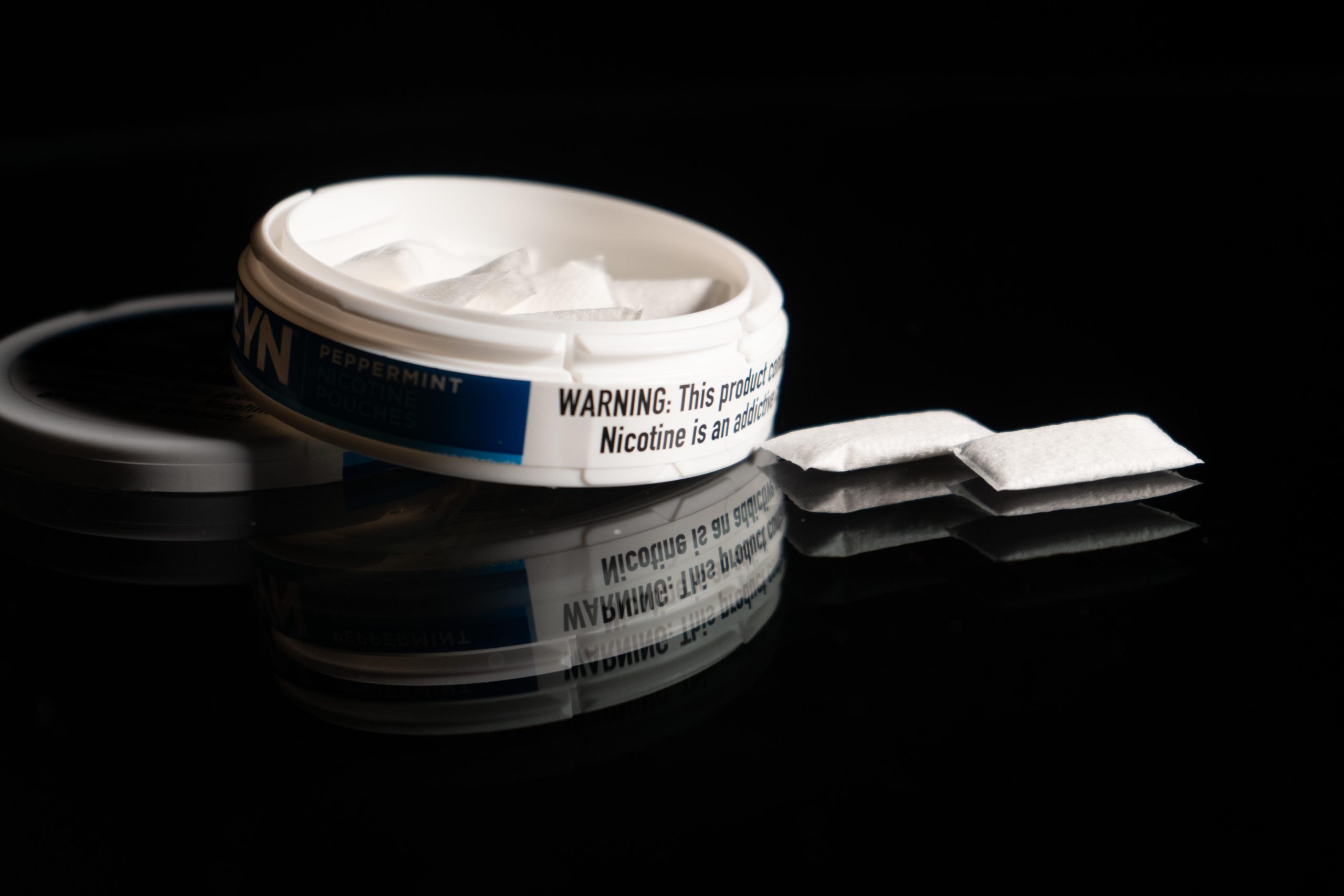
Pouches, while containing fewer toxins than cigarettes, are unlikely to aid smokers in quitting.
Nicotine pouches, which are free of tobacco leaf and promoted as a substitute for cigarettes, are ineffective in reducing nicotine cravings among existing smokers, reveals a recent study. This research was conducted by public health experts at The Center for Tobacco Research, part of The Ohio State University Comprehensive Cancer Center – Arthur G. James Cancer Hospital and Richard J. Solove Research Institute, and the results were published in the medical journal Addiction.
Nicotine pouches are small pre-portioned bags filled with nicotine powder, flavorings, artificial sweeteners, and other chemicals that extend shelf life. Marketed as a smoke-free, tobacco-free alternative to cigarettes, these products have become increasingly popular since entering the consumer market in 2016.
Lead author Brittney Keller-Hamilton, PhD, says these products are appealing to current smokers because they contain fewer known carcinogens and toxins than other tobacco products and can be used indoors where smoking is banned. Researchers are concerned, however, that if not formulated and regulated very intentionally, these products could result in an increase of nicotine product use among young people rather than reducing cancer risk among smokers.
For the current study, researchers evaluated whether nicotine pouches with different levels of nicotine concentration were more or less appealing to smokers.
A study by researchers at The Ohio State University Comprehensive Cancer Center’s Center for Tobacco Research found oral nicotine pouches, which are increasingly popular products marketed as an alternative to cigarettes, do little to curb smokers’ nicotine cravings. Credit: The Ohio State University Comprehensive Cancer Center
They found that current smokers had a much greater spike of nicotine in their blood levels and much sharper relief from craving symptoms when smoking than when using both the low- and higher-dose nicotine pouches. That spike of nicotine measurable in the blood occurs about five minutes after smoking, explained Keller-Hamilton. With nicotine pouches, it is a much more gradual process like other smokeless tobacco products – and it typically takes 30 minutes to an hour to hit peak effectiveness – meaning that feeling of relief from craving symptoms. The same is true for the decline in nicotine levels – it is a much more gradual decline as well for oral pouches.
Because of this, she says, it is reasonable to see how the craving for instant gratification of cigarette smoking is more appealing than oral nicotine pouches for individuals who are already experiencing nicotine addiction.
“Our challenge is to approach regulation of nicotine pouches to limit their appeal among young people while making them more appealing to adult smokers who would see health benefits by switching from cigarettes – which have the most severe health impacts with long-term use – to nicotine pouches,” said Keller-Hamilton.
Study results and methods
For the current study, Keller-Hamilton’s team recruited 30 active adult smokers from Appalachian communities in Ohio, where both smoking and lung cancer rates are disproportionately higher than in the rest of the United States.
Study participants were observed during three sessions where they either smoked their usual brand of cigarette or used oral pouches containing three milligrams (mg) or six mg of nicotine. Blood samples were collected repeatedly during product use to measure changing plasma nicotine levels. Participants were also asked to complete questionnaires about nicotine cravings right before product use and again at five, 15, 30, 60, and 90 minutes after starting to use the product.

“Nicotine addiction is a very real problem for many people, and most current smokers express wanting to quit but often fail because it is so challenging to stop – and to make it stick long term,” said Keller-Hamilton. “For smokers trying to make a healthier choice or stop smoking cigarettes, they should talk with their healthcare providers or call their state’s quit line to find the best smoking cessation options for them.”
Ongoing research puts science behind tobacco regulation
Ongoing research to inform oral nicotine pouch regulation is underway at Ohio State’s Center for Tobacco Research through a newly funded $20 million Tobacco Center for Regulatory Science grant from the Food and Drug Administration and National Institutes of Health. The grant will enable scientists to conduct further research to inform oral nicotine pouch regulations and promote public health. This includes examining how the various dimensions of nicotine affect the appeal, addictiveness, and use of oral nicotine pouches.
Researchers will also look at how these factors influence product switching – for example, from smokeless tobacco or combustible cigarettes to pouches. In addition, the study will look at how the use of these products impacts the microbiome of people who switch from smoking cigarettes or using smokeless tobacco to using nicotine pouches.
Reference: “Evaluating the effects of nicotine concentration on the appeal and nicotine delivery of oral nicotine pouches among rural and Appalachian adults who smoke cigarettes: A randomized cross-over study” by Brittney Keller-Hamilton, Mahmood A. Alalwan, Hayley Curran, Alice Hinton, Lauren Long, Kirsten Chrzan, Theodore L. Wagener, Leanne Atkinson, Sriya Suraapaneni and Darren Mays, 14 November 2023, Addiction.
DOI: 10.1111/add.16355
The study was funded by the Addiction Innovation Fund at The Ohio State University College of Public Health, The Ohio State University Comprehensive Cancer Center, and grants from the National Institute on Drug Abuse and the National Cancer Institute. Coauthors on the study include Mahmood Alalwan, Hayley Curran, Alice Hinton, Lauren Long, Kirsten Chrzan, Theodore Wagener, Leanne Atkinson, Sriya Suraapaneni, and Darren Mays.
Resources for smoking cessation
Individuals seeking smoking cessation help can call 1-800-QUIT-NOW to connect with their resident state’s department of mental health and addiction services.
Never miss a breakthrough: Join the SciTechDaily newsletter.
Follow us on Google and Google News.