
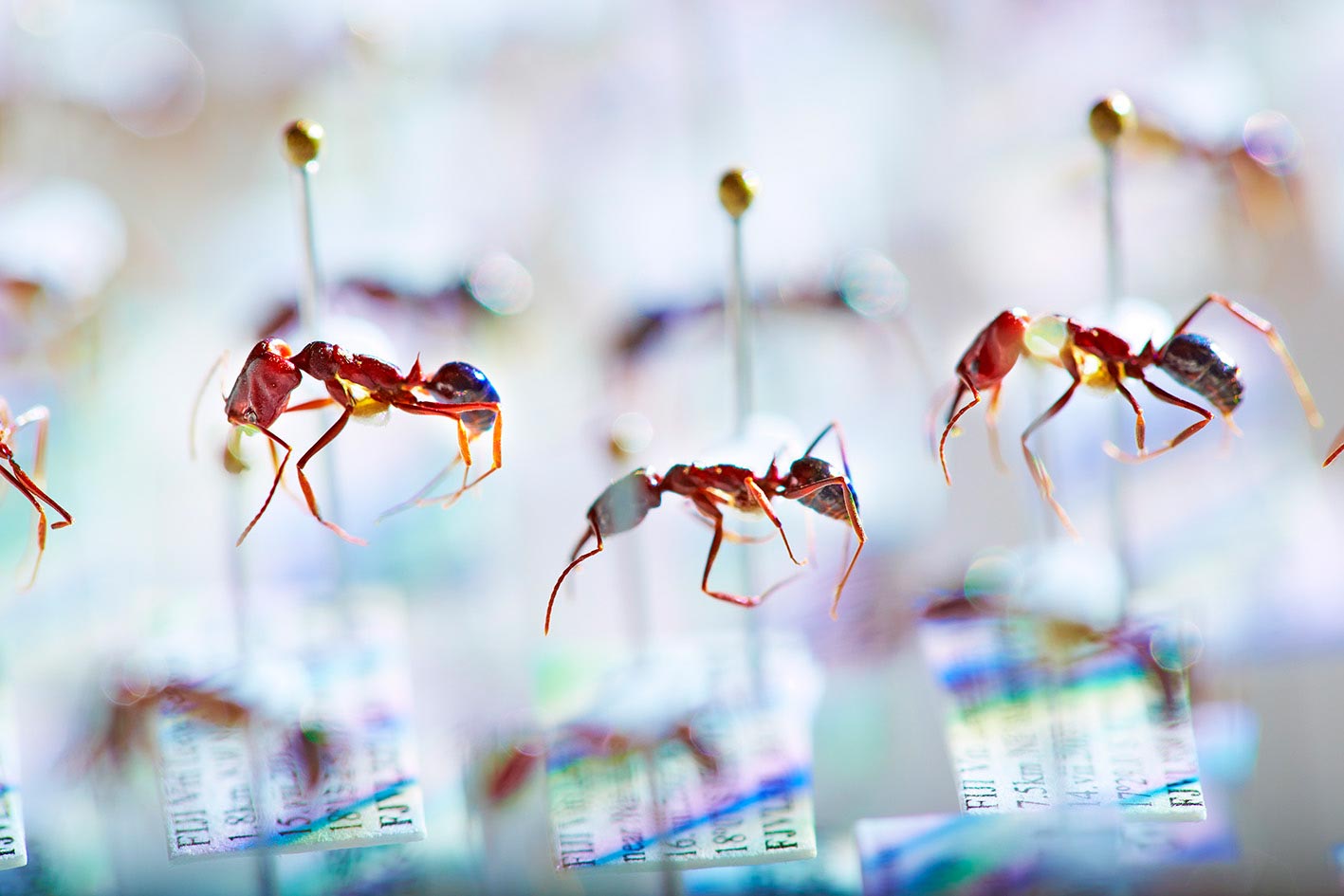
Seventy-nine percent of endemic species are showing declines, underscoring how fragile island biodiversity is in the face of ecosystem changes.
Insects play essential roles in ecosystems, from pollinating plants to driving decomposition and maintaining nutrient cycles. Their diversity and abundance are crucial for ecological stability, yet recent evidence of widespread declines has raised serious concerns about how insects are adapting to modern environmental pressures. Determining whether these declines reflect long-term trends is key for global conservation strategies and for uncovering the causes of what has been called the “Insect Apocalypse.”
In a study published in Science, scientists from the Okinawa Institute of Science and Technology (OIST) applied a community genomics approach to investigate ant populations in Fiji as a model for broader insect biodiversity. By sequencing genomes from museum specimens, they reconstructed the ants’ evolutionary history, traced when species first colonized the islands, and examined long-term population dynamics.
Conservation monitoring often emphasizes large, charismatic animals and ecosystems that are easier to survey, such as temperate regions. Yet many insects are believed to be undergoing steep declines, and island ecosystems—rich in unique species—are particularly vulnerable. Dr. Evan Economo, Professor at OIST and the University of Maryland and senior author of the study, explained, “It can be difficult to estimate historical changes to insect populations, because with few exceptions, we haven’t been directly monitoring populations over time. We take a novel approach to this problem by analyzing the genomes of many species in parallel from museum specimens collected recently. The genomes hold evidence of whether populations are growing or shrinking, allowing us to reconstruct community-wide changes.”
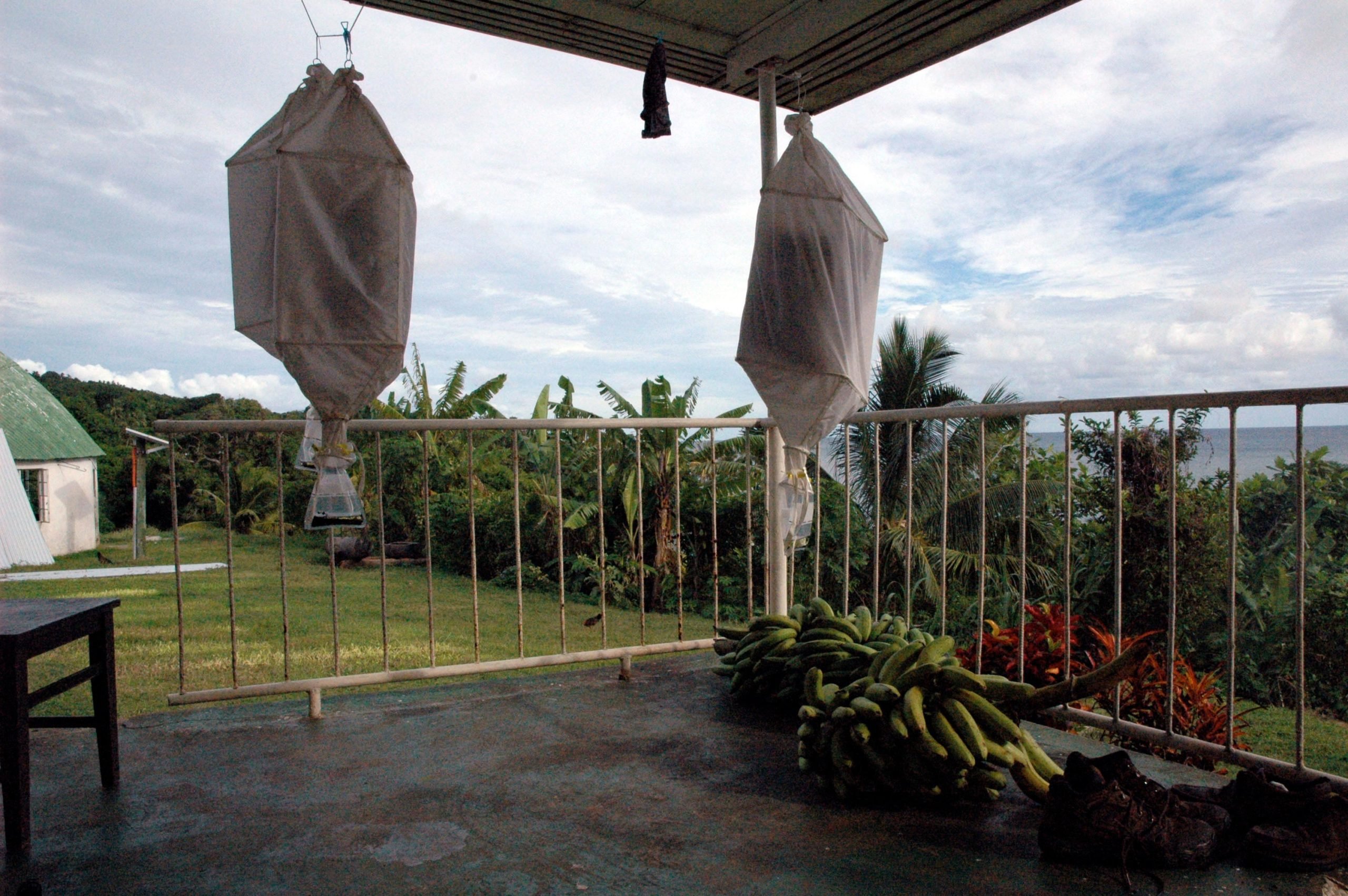
The team’s findings were striking: 79% of Fiji’s endemic ant species—those found nowhere else—show signs of decline, with the timing of these reductions aligning with human arrival on the islands. In contrast, non-native ant species introduced by people are expanding rapidly. Much of the decline appears to have intensified within the last several hundred years, coinciding with European contact, colonization, global trade, and the spread of modern agriculture.
A community-wide approach
By focusing on the Fijian archipelago, a region of long-term interest to the researchers, they were able to get a broad, comprehensive overview of the population changes and colonization history of almost all the different ant species in the region. “Being closed, isolated ecosystems, islands are expected to feel the effects of human impact faster, so they are kind of a canary in the coal mine,” notes Dr. Cong Liu, first author on this paper.
However, studying the populations of tropical islands is not without challenges. Often, fieldwork can be extremely difficult, and it isn’t easy to do continuous surveys. Therefore, instead of relying on real-time field monitoring, here the team used museum collections built across decades of fieldwork, including both the team’s previous collection efforts and those by other entomologists.
Museumomics: reconstructing ant colonization
One challenge of using museum collections is that DNA degrades over time. Therefore, the researchers had to use special sequencing methods (museumomics) to compare small fragments of DNA. In this study, they sequenced samples of genomes from thousands of ants from over one hundred different confirmed ant species.
Using these data, they identified 65 separate instances (colonization events) where new ant species came to the island. These ranged from natural colonization (i.e. arrival of the ants with no human involvement) millions of years ago, to recent human introduction after Fiji became part of global trade networks.
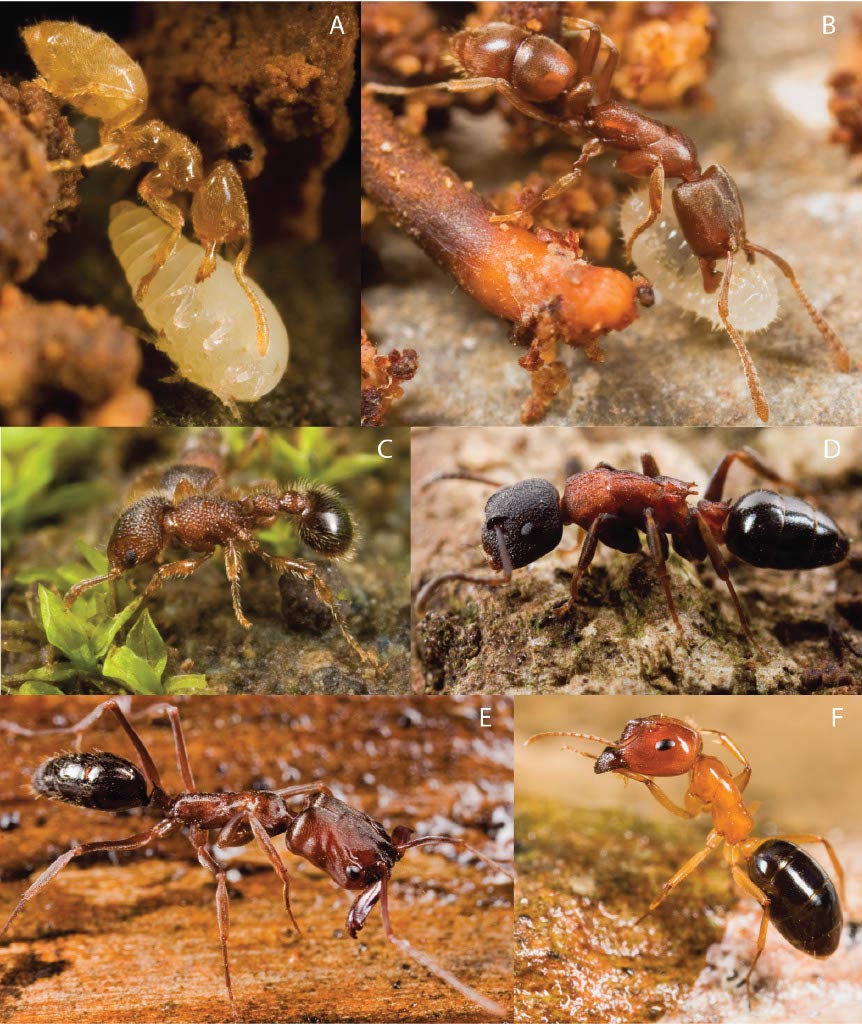
Building on this history, the researchers were able to use their population genetics models to identify the rise or decline in population of different ant groups throughout the Fijian archipelago, noting the decline of endemic species, as well as dramatic increases in population of non-native species in more recent years.
Island endemic species have often evolved traits that make them sensitive to environmental changes, including the arrival of new, damaging species. “Most recorded extinctions have historically been from island systems,” adds Dr. Liu.
Going beyond the archipelago
The team hopes that this work can act as inspiration for future work to continue building scientific understanding of insect populations, and to inform conservation efforts. “This study also highlights the importance of biodiversity and museum collections,” explains Professor Alexander Mikheyev of the Australian National University, a senior author on this study. “As our scientific toolbox expands, there is more and more information that we are able to capture from biodiversity collections, so it’s essential that we continue investing in and maintaining these vital resources.”
The team are looking into this locally as well, to measure the biodiversity of Okinawan insect populations in real-time through acoustic monitoring and trapping as part of the Okinawa Environmental Observation Network (OKEON).
“Insects are essential for the environment,” emphasizes Prof. Economo. “As scientists, we need to play our part in their protection, and provide and analyze the relevant data to ensure the long-term integrity of our ecosystems.”
Reference: “Genomic signatures indicate biodiversity loss in an endemic island ant fauna” by Cong Liu, Eli Sarnat, Jo Ann Tan, Julia Janicki, John Deyrup, Masako Ogasawara, Miquel L. Grau, Lijun Qiu, Francisco Hita Garcia, Georg Fischer, Akanisi Caginitoba, Nitish Narula, Clive T. Darwell, Yasuhiro Kubota, Naomi E. Pierce, Alexander S. Mikheyev and Evan P. Economo, 11 September 2025, Science.
DOI: 10.1126/science.ads3004
Funding: Okinawa Institute of Science and Technology Graduate University, Japan Society for the Promotion of Science, Japan Society for the Promotion of Science, Japan Society for the Promotion of Science, Museum of Comparative Zoology, Harvard University
Never miss a breakthrough: Join the SciTechDaily newsletter.
Follow us on Google and Google News.