
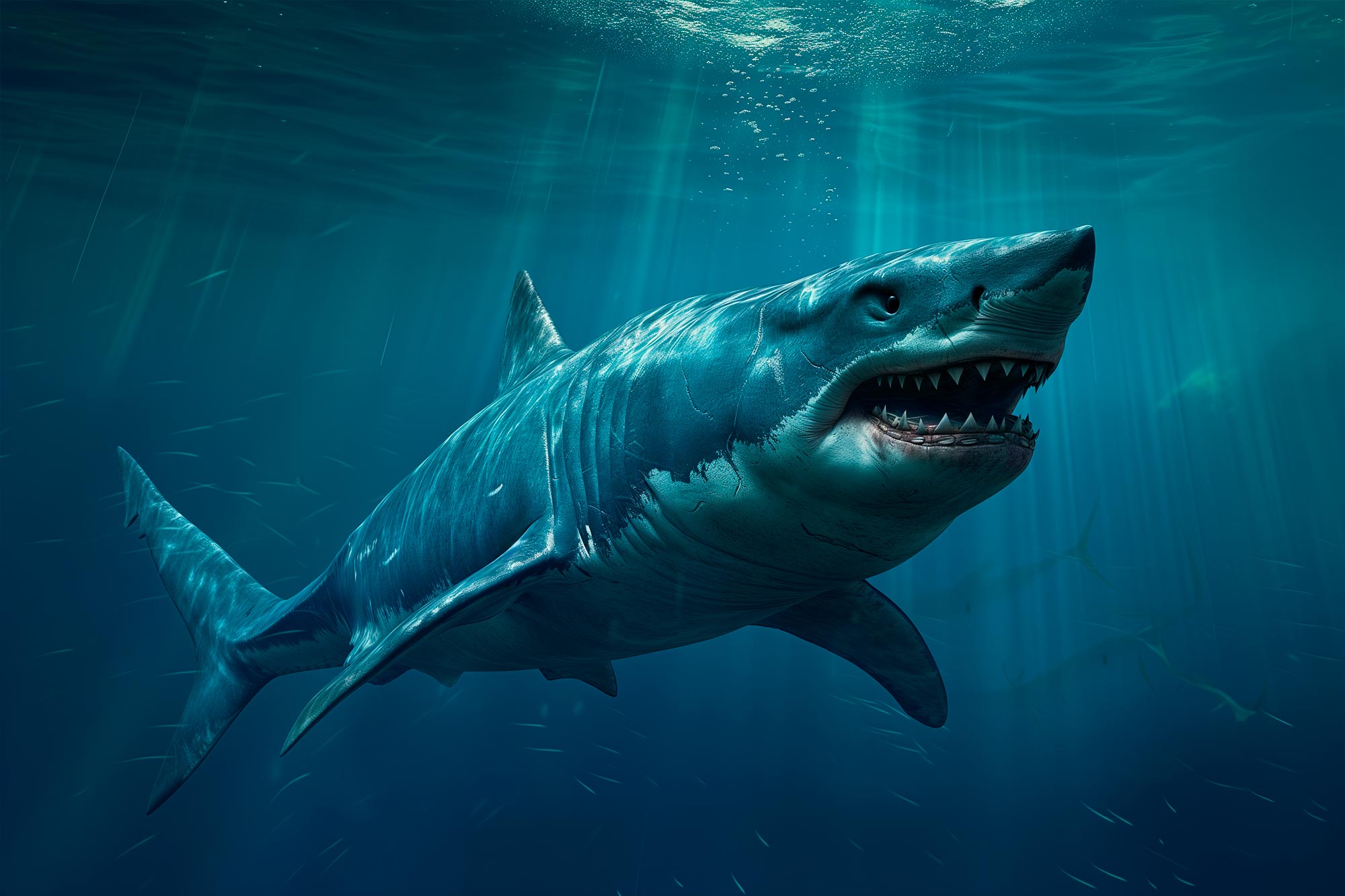
Gigantic shark was slimmer than depictions in movies.
A new study shows the Megalodon, a gigantic shark that went extinct 3.6 million years ago, was more slender than earlier studies suggested. This finding changes scientists’ understanding of Megalodon behavior, ancient ocean life, and why the sharks went extinct.
The Megalodon or megatooth shark is typically portrayed as a super-sized monster in popular culture, with recent examples in the sci-fi films “The Meg” (2018) and “Meg 2: The Trench” (2023). Previous studies assume that the shark likely reached lengths of at least 50 feet and possibly as much as 65 feet.
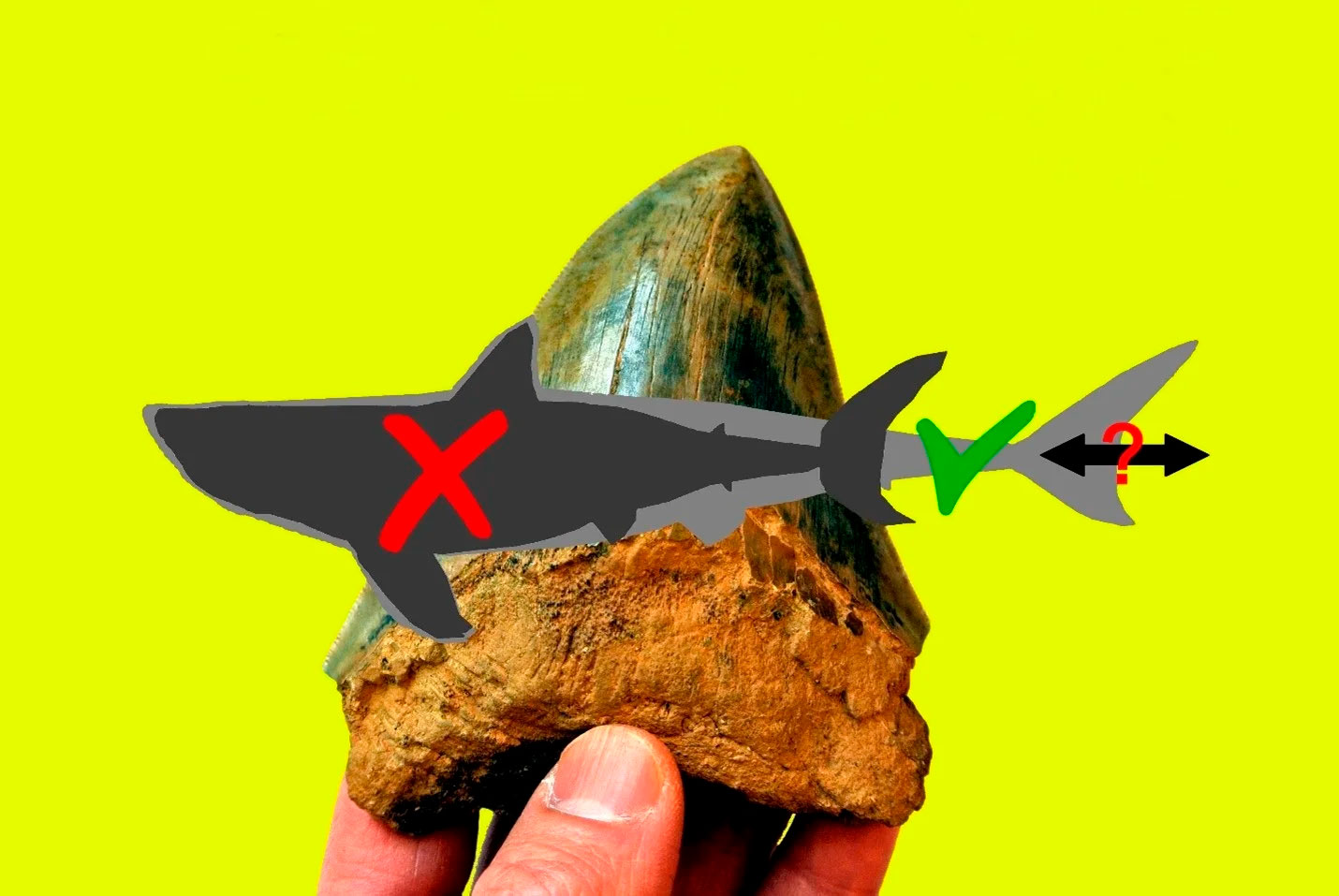
However, the Megalodon is largely known only from its teeth and vertebrae in the fossil record — a rather incomplete set of data from which to draw conclusions. Thus, the modern great white shark was traditionally used as a model for Megalodon bodies in previous studies. That model led researchers to conclude that the shark was round and stocky like great whites.
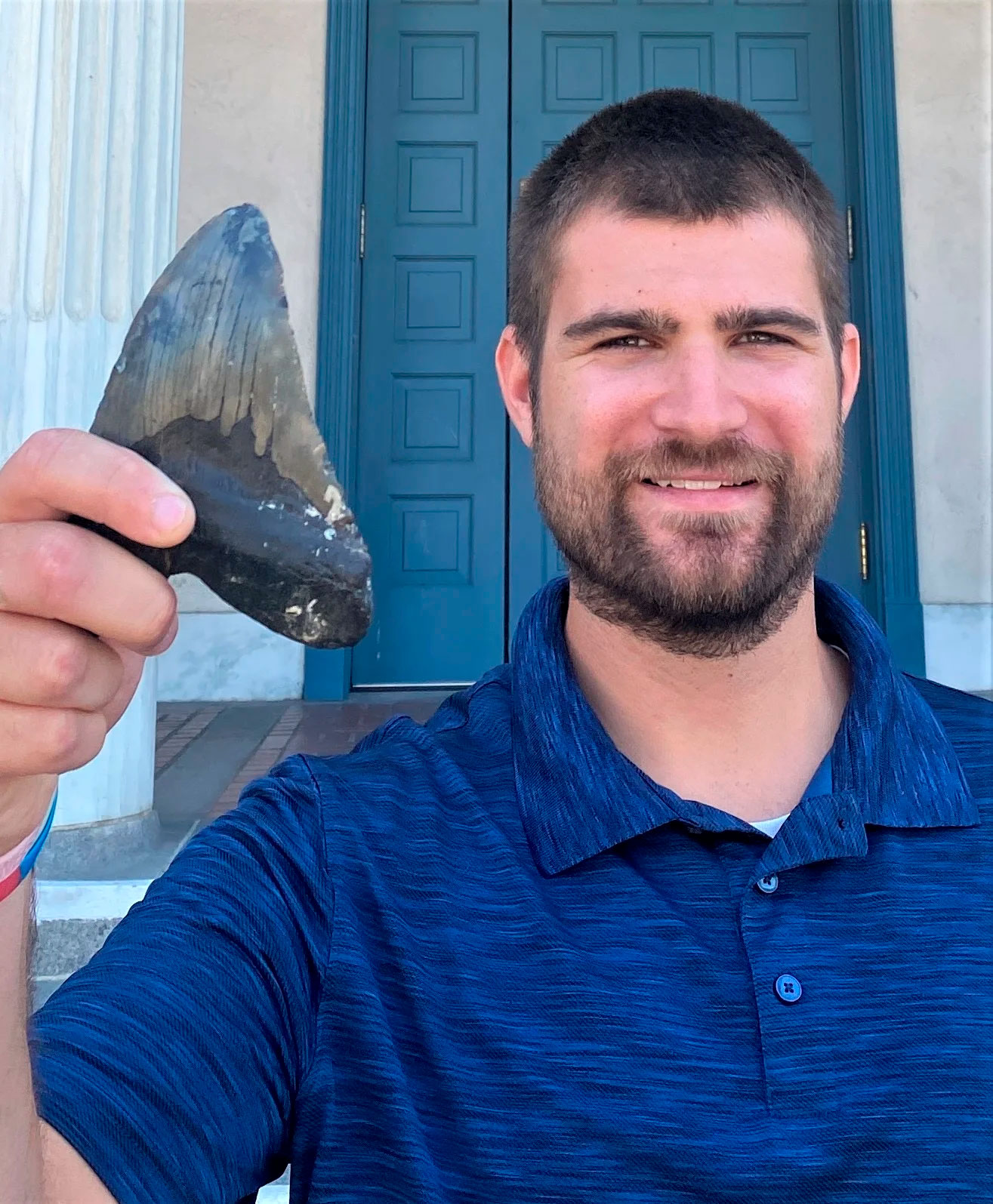
“Our team reexamined the fossil record, and discovered the Megalodon was more slender and possibly even longer than we thought. Therefore, a better model might be the modern mako shark,” said UCR biologist and paper’s first author Phillip Sternes. “It still would have been a formidable predator at the top of the ancient marine food chain, but it would have behaved differently based on this new understanding of its body.”
A New Model for an Ancient Predator
For the new study published in the journal Palaeontologia Electronica, a team of 26 scientists from around the world, co-led by Sternes and DePaul University paleobiology professor Kenshu Shimada, was inspired by differences in previously estimated body lengths for the Megalodon.
“It was a ‘eureka-moment’ when our research team realized the discrepancy between two previously published lengths for the same Megalodon specimen,” said Shimada.
The team then weighed in on a new comparison of Megalodon vertebra fossils to those of living lamniform shark relatives. “We measured the whole vertebral skeleton of a living great white shark with a CT scanner and compared that to the previous reconstruction of the Megalodon vertebral column,” Sternes said.
“It was still a giant, predatory shark. But the results strongly suggest that the Megalodon was not merely a larger version of the modern great white shark.”
A revised understanding of the Megalodon body type would in turn affect scientists’ understanding not only of the giant shark itself, but also of its impact on the ecology and evolution of marine ecosystems that shaped the present-day oceans.
Implications of a Leaner Megalodon
There is no doubt the Megalodon is one of the largest marine predators ever to have lived. But a slimmer and more elongated body would suggest the Megalodon also had a longer digestive canal. Sternes explained that in this case, the sharks might have enjoyed enhanced absorption of nutrients, and may not have had to eat as often as previously believed.
“With increased ability to digest its food, it could have gone for longer without needing to hunt. This means less predation pressure on other marine creatures,” Sternes said. “If I only have to eat one whale every so often, whale populations would remain more stable over time.”
Some shark scientists have theorized that a natural decrease in prey led to the extinction of Megalodons. However, Sternes has another theory, in part supported by the revised understanding of its shape.
“I believe there were a combination of factors that led to the extinction, but one of them may have been the emergence of the great white shark, which was possibly more agile, making it an even better predator than the Megalodon,” Sternes said. “That competition for food may have been a major factor in its demise.”
The research team of shark experts from the U.S., UK, Austria, France, Japan, Mexico, Brazil, and Australia all feel that a revised understanding of ancient marine life would have a cascading effect on the oceans that are still visible today.
“Now that we know it was a thinner shark, we need to reinvestigate its lifestyle, how it really lived, and what caused it to go extinct,” Sternes said. “This study represents a major stepping stone for others to follow up on.”
Reference: “White shark comparison reveals a slender body for the extinct megatooth shark, Otodus megalodon (Lamniformes: Otodontidae)” by Phillip C. Sternes, Patrick L. Jambura, Julia Türtscher, Jürgen Kriwet, Mikael Siversson, Iris Feichtinger, Gavin J.P. Naylor, Adam P. Summers, John G. Maisey, Taketeru Tomita, Joshua K. Moyer, Timothy E. Higham, João Paulo C.B. da Silva, Hugo Bornatowski, Douglas J. Long, Victor J. Perez, Alberto Collareta, Charlie Underwood, David J. Ward, Romain Vullo, Gerardo González-Barba, Harry M. Maisch IV, Michael L. Griffiths, Martin A. Becker, Jake J. Wood and Kenshu Shimada, January 2024, Palaeontologia Electronica.
DOI: 10.26879/1345
Never miss a breakthrough: Join the SciTechDaily newsletter.
Follow us on Google and Google News.
1 Comment
What makes this {strike}story{/strike} speculation, “science”?
The fictional representations of a species — extinct not for decades or centuries nor even millenia; but millions of years — and known only from its teeth; might show its body shape incorrectly.
Who gives a flying fig that one (group of) pseudoscince speculators has reached different conclusions to another?