
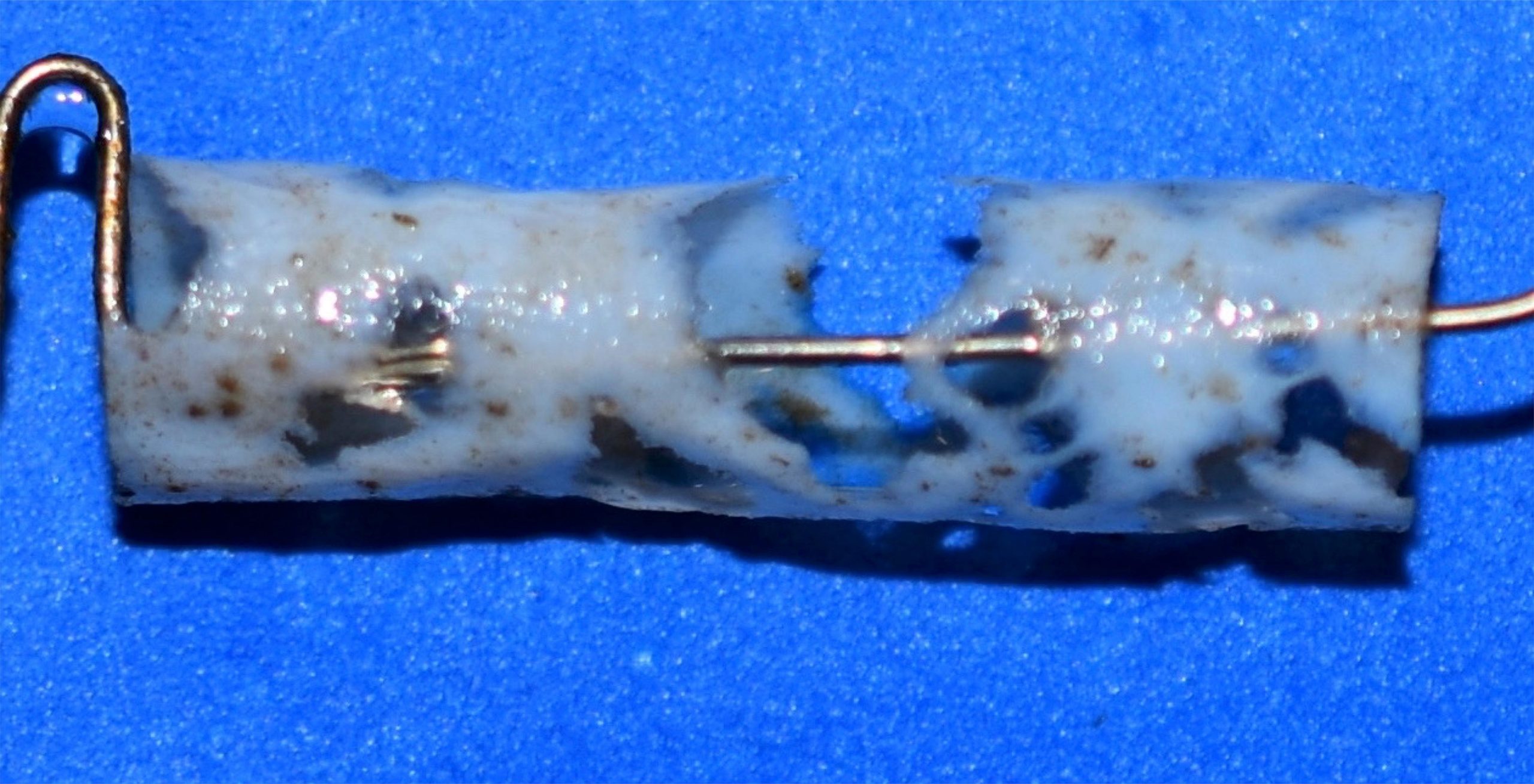
Studies show that biodegradable straws made from paper and bioplastics like CDA and PHA degrade in ocean water within 8 to 20 months, offering a promising solution to reduce marine pollution from plastic straws.
Plastic straws in marine ecosystems not only mar the beauty of beaches but also threaten turtles and seabirds. As a result, there is a growing preference for biodegradable or compostable alternatives.
But how effective are these alternatives in marine environments? According to research published in ACS Sustainable Chemistry & Engineering, certain commercially available bioplastic and paper straws can break down in coastal ocean systems within eight to 20 months, and opting for foam straws could significantly accelerate this process.
Bioplastics and Paper Straws in Marine Environments
To combat plastic pollution, some regions in the U.S. have restricted traditional polymers, such as polypropylene (PP), in drinking straws. These policies have led to a growing market for single-use items made from paper or bioplastics. However, replacement materials need to retain functionality so they don’t flop over after the first sip but will fall apart later if they end up in soil, freshwater, or salt water.
While the next generation of bioplastics, such as cellulose diacetate (CDA) and polyhydroxyalkanoates (PHA), may be able to meet both requirements, little is known about how long products made of these materials last in the ocean before fully degrading compared to other materials. Therefore, Bryan James, Collin Ward, and colleagues conducted experiments using real seawater to investigate the environmental lifetimes of different straws and to find a way to accelerate the breakdown of next-generation bioplastics.
Disintegration Rates of Different Straw Materials
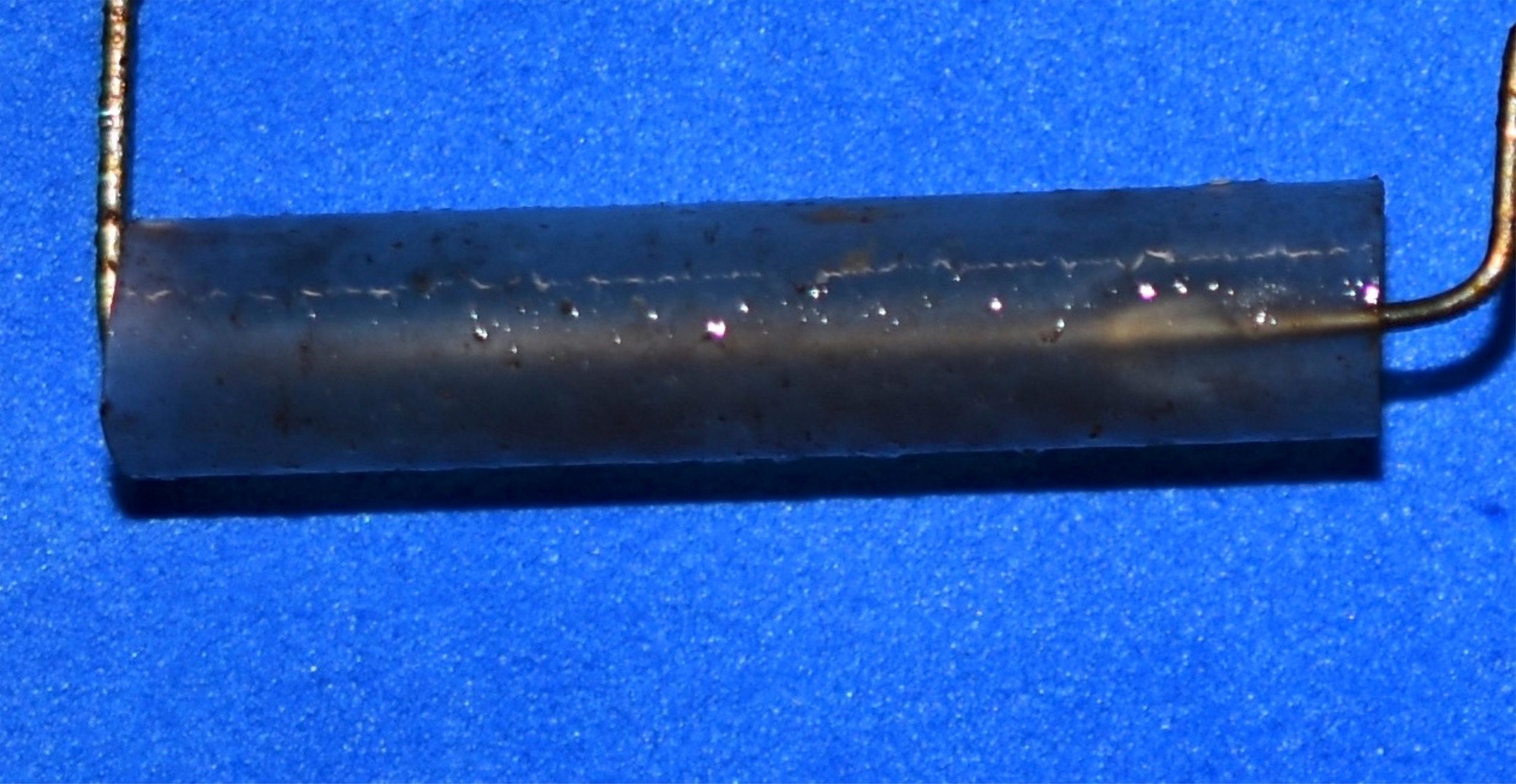
In initial tests, the researchers cut inch-long pieces from commercially available straws made from either coated or uncoated paper, PP polymer, or CDA, PHA, or polylactic acid (PLA) bioplastics. Then the pieces were suspended on wires in large tanks with room-temperature seawater flowing through them. The team found that after 16 weeks, paper, CDA, and PHA straws lost 25-50% of their initial weights.
The researchers projected that these degradable straws should fully disintegrate in coastal oceans within 10 months for paper, 15 months for PHA, and 20 months for CDA. Additionally, the biofilms on the disintegrating samples contained microbes known to metabolize diverse polymers. Conversely, PP and PLA straws didn’t have measurable weight changes, which suggests they could persist for years in ocean water.
Accelerating Bioplastic Breakdown in Marine Settings
Next, using the same experimental conditions, the researchers examined how changing the CDA material’s structure, from solid to a foam, impacted the bioplastic’s environmental lifetime. They observed that the CDA foam broke down at least twice as fast as the solid version, and they estimated that a straw made from the prototype foam would disintegrate in seawater in eight months — the shortest lifetime of any material tested.
Having demonstrated that some bioplastic straws are unlikely to remain intact over a long period, the researchers recommend that simple changes, such as switching to foam materials, could further reduce that time frame.
For more on this research, see New Bioplastic Straw Degrades Even Faster in the Ocean Than Paper.
Reference: “Strategies to Reduce the Environmental Lifetimes of Drinking Straws in the Coastal Ocean” by Bryan D. James, Yanchen Sun, Mounir Izallalen, Sharmistha Mazumder, Steven T. Perri, Brian Edwards, Jos de Wit, Christopher M. Reddy and Collin P. Ward, 30 January 2024, ACS Sustainable Chemistry & Engineering.
DOI: 10.1021/acssuschemeng.3c07391
The authors acknowledge funding from Eastman. Some authors are employees of Eastman, a manufacturer of biodegradable plastics.
Some authors have patents in the field of biodegradable plastics.
Never miss a breakthrough: Join the SciTechDaily newsletter.
Follow us on Google and Google News.