
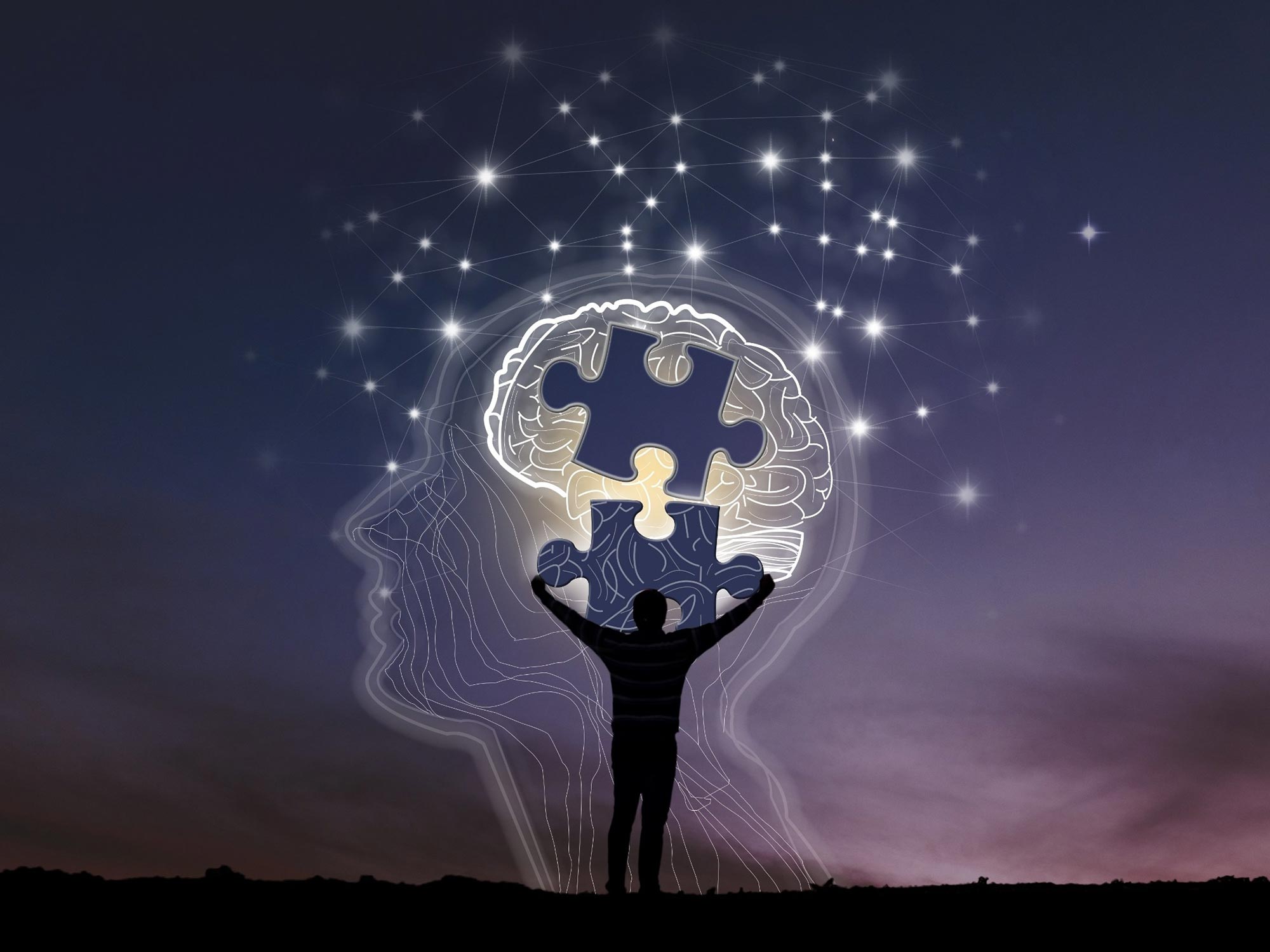
Individuals with personality traits such as conscientiousness, extraversion, and positive affect are less likely to be diagnosed with dementia than those with neuroticism and negative affect, according to a new analysis by researchers at the University of California, Davis, and Northwestern University. The difference was not linked to physical damage to brain tissue found in dementia patients, but more likely to how certain personality traits help people navigate dementia-related impairments.
The work was recently published in Alzheimer’s & Dementia: The Journal of the Alzheimer’s Association.
Previous studies have tried to establish links between personality traits and dementia, but these were mostly small and represented only specific populations, said Emorie Beck, assistant professor of psychology at UC Davis and first author on the paper.
“We wanted to leverage new technology to synthesize these studies and test the strength and consistency of these associations,” Beck said. If those links hold up, then targeting personality traits for change in interventions earlier in life could be a way to reduce dementia risk in the long term, she said.
Beck and colleagues analyzed data from eight published studies including over 44,000 people, of whom 1,703 developed dementia. They looked at measures of the “big five” personality traits (conscientiousness, extraversion, openness to experience, neuroticism, and agreeableness) and subjective well-being (positive and negative affect, and life satisfaction) compared to clinical symptoms of dementia (performance on cognitive tests) and brain pathology at autopsy.
Personality is typically thought to be linked to dementia risk through behavior, Beck said. For example, people who score high on conscientiousness may be more likely to eat well and take care of their health, which results in better health in the long term.
The researchers found that high scores on negative traits (neuroticism, negative affect) and low scores on positive traits (conscientiousness, extraversion, positive affect) were associated with a higher risk of a dementia diagnosis. High scores on openness to experience, agreeableness, and life satisfaction had a protective effect in a smaller subset of studies.
Link to diagnosis but not pathology
To their surprise, however, no link was found between these personality traits and actual neuropathology in the brains of people after death.
“This was the most surprising finding to us,” Beck said. “If personality is predictive of performance on cognitive tests but not pathology, what might be happening?”
One explanation is that some personality traits could make people more resilient to the damage caused by diseases such as Alzheimer’s. People with higher levels of some traits may find ways, whether they are aware of it or not, to cope with and work around impairments. Other work by members of the study team has shown that some people with quite extensive pathology can show little impairment on cognitive tests.
The researchers also looked at other factors that could moderate the relationship between personality and dementia risk and neuropathology, including age, gender, and educational attainment.
“We found almost no evidence for effects, except that conscientiousness’s protective effect increased with age,” Beck said.
Many factors contribute to the development of dementia. Among those that aren’t directly related to genetics, this study is a first step in teasing out the associations between personality and dementia, Beck said. The researchers plan to continue and expand the work, including looking at people who show little impairment in the face of a lot of pathology. They also hope to look at other everyday factors that might play a role in developing dementia.
Reference: “Personality predictors of dementia diagnosis and neuropathological burden: An individual participant data meta-analysis” by Emorie D. Beck, Tomiko Yoneda, Bryan D. James, David A. Bennett, Jason Hassenstab, Mindy J. Katz, Richard B. Lipton, John Morris, Daniel K. Mroczek and Eileen K. Graham, 29 November 2023, Alzheimer’s & Dementia.
DOI: 10.1002/alz.13523
Part of the work was conducted while Beck was a postdoctoral researcher at Northwestern University in Chicago. Coauthors are: Tomiko Yoneda, UC Davis, and Northwestern; Daniel Mroczek and Eileen Graham, Northwestern; Bryan James, David Bennett and John Morris, Rush University Medical Center, Chicago; Jason Hassenstab, Washington University School of Medicine, St. Louis; Mindy Katz and Richard Lipton, Albert Einstein College of Medicine, the Bronx.
The work was supported by grants from the National Institute on Aging.
Never miss a breakthrough: Join the SciTechDaily newsletter.
Follow us on Google and Google News.
1 Comment
My spouse of 52 years is intelligent and highly educated. She has been diagnosed as living with moderate to severe Alzheimer’s disease. She is or was extroverted, agreeable, open minded and open to experience. She might be an outlier but there may be something else going on.