
A once-niche herbal drug is now sparking a nationwide surge in poisonings, hospitalizations, and deaths.
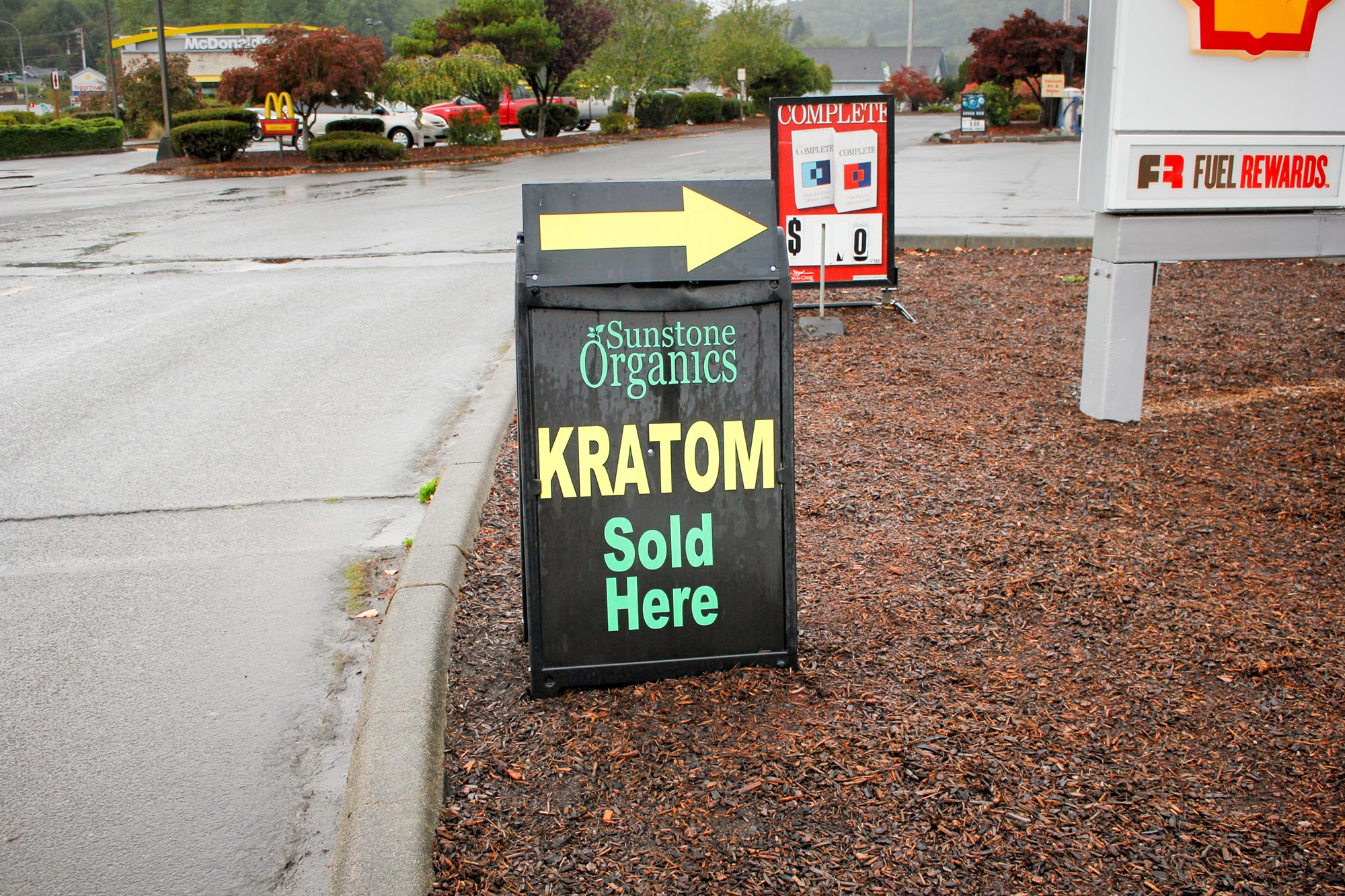
A new analysis from UVA Health reveals a sharp rise in calls to U.S. poison centers related to kratom, a drug commonly sold in vape shops and gas stations. Between 2015 and 2025, these calls increased by more than 1,200%, alongside a significant jump in hospitalizations.
In 2025 alone, poison centers received a record 3,434 reports, compared to just 258 in 2015. Researchers say this rapid growth reflects both the wider availability of kratom and the increasing strength of newer products.
Hospitalizations and Deaths Climb
Serious health outcomes linked to kratom have risen dramatically over the past decade. Hospitalizations involving only kratom climbed more than 1,150%, increasing from 43 cases in 2015 to 538 in 2025. When kratom was used along with other substances, such as illegal drugs or antidepressants, hospitalizations rose nearly 1,300%, from 40 to 549 cases.
Over the same period, 233 deaths were associated with kratom use, including 184 cases where other substances were also involved.

“The data reflects a concerning trend,” said researcher Chris Holstege, MD, the director of UVA Health’s Blue Ridge Poison Center. “This trend found in the national data is also occurring in our local clinical practice, with more patients presenting to UVA Health following serious complications associated with kratom products.”
What Is Kratom and How Is It Used
Kratom is derived from the leaves of a tropical evergreen tree native to Southeast Asia. Traditionally, people have used the leaves by chewing them, crushing them, or brewing them into tea for pain relief and mood improvement. The substance can act as both a stimulant, boosting energy, and a sedative, promoting relaxation and reducing anxiety.
It has also been used to manage pain, and some individuals have turned to kratom to help with opioid withdrawal. (Its effectiveness in reducing opioid cravings has not been thoroughly evaluated.)
Unregulated Products and Rising Risks
In the United States, kratom is widely available in forms that are often much stronger than the natural leaves, including pills and extracts that may contain undisclosed ingredients. Because these products are not regulated, consumers cannot be sure what they are taking. Kratom itself has also been linked to potential liver damage.
Prompted by the drug’s growing use and potency, UVA Health researchers led by Rita Farah, PhD, MPH, PharmD, examined kratom-related calls using data from the National Poison Data System. They found that reports increased steadily from 2015 to 2019, leveled off between 2020 and 2024, and then rose sharply again in 2025.
Who Is Affected and Why Experts Are Concerned
Across the 10-year period, more than 14,400 kratom exposures were reported. Most cases involved men, especially those in their 20s and 30s. However, reports also rose significantly among people ages 40 to 59, suggesting broader use across age groups.
Researchers describe the trend as concerning. In 2025, 60% of cases involving multiple substances led to “serious medical outcomes,” and about half required hospitalization.
Based on these findings, experts are calling for closer oversight of kratom products and stronger public health messaging. They emphasize that using kratom can lead to serious and even fatal consequences, particularly when combined with alcohol, medications, or illicit drugs.
“We are experiencing a marked increase in kratom associated products being sold in the U.S market,” Holstege said. “We want the public to be aware that these products contain chemicals of varying concentrations such as mitragynine and 7-hydroxymitragynine that have complex pharmacological actions and can cause drug interactions and adverse consequences in humans.”
The researchers have published their findings in the federal Centers for Disease Control and Prevention’s weekly bulletin, the Morbidity and Mortality Weekly Report (MMWR). The research team consisted of Eleanor Blair Towers, Ynhi T. Thomas, Holstege and Farah. A list of the authors’ disclosures is included in the publication.
Never miss a breakthrough: Join the SciTechDaily newsletter.
Follow us on Google and Google News.