
Close Menu
    Facebook X (Twitter) Instagram
    SciTechDaily
    • Biology
    • Chemistry
    • Earth
    • Health
    • Physics
    • Science
    • Space
    • Technology
    Facebook X (Twitter) Pinterest YouTube RSS
    SciTechDaily
    Home»Space»This Week @NASA – Lunar Lander Mission Heads to Moon, Artemis II Training, Europa Clipper Milestone
    Space

    This Week @NASA – Lunar Lander Mission Heads to Moon, Artemis II Training, Europa Clipper Milestone

    By NASAFebruary 18, 2024No Comments3 Mins Read
    Facebook Twitter Pinterest Telegram LinkedIn WhatsApp Email Reddit
    Share
    Facebook Twitter LinkedIn Pinterest Telegram Email Reddit
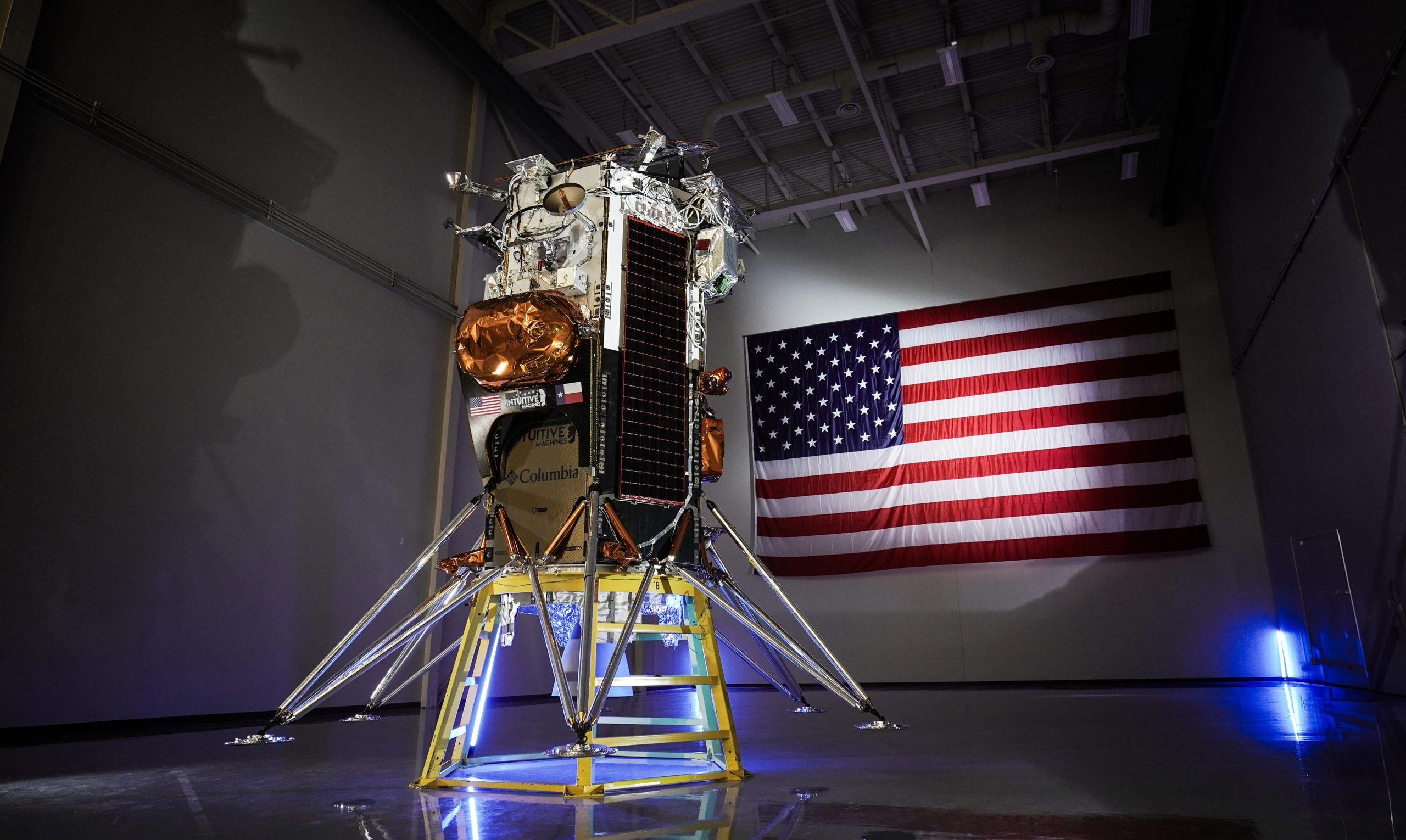
    Intuitive Machines Nova-C Lunar Lander
    IM-1, the first NASA Commercial Launch Program Services launch for Intuitive Machines’ Nova-C lunar lander, will carry multiple payloads to the Moon, including Lunar Node-1, demonstrating autonomous navigation via radio beacon to support precise geolocation and navigation among lunar orbiters, landers, and surface personnel. Credit: Intuitive Machines

    A commercial mission heads to the Moon with NASA science…

    NASA’s Artemis II crew conducts some preflight training…

    And a major milestone for a planetary science mission…

    A few of the stories to tell you about – This Week at NASA!

    Commercial Lunar Payload Services Mission Launches

    On February 15, Intuitive Machines’ first robotic lunar lander mission to the Moon’s surface launched aboard a SpaceX Falcon 9 rocket from NASA’s Kennedy Space Center.

    The mission is carrying NASA scientific research and technology demonstrations to help us better understand the challenging environment of the lunar south pole region and improve landing precision and safety ahead of future Artemis astronaut missions to the Moon.

    NASA Astronaut Reid Wiseman Training Exercise Neutral Buoyancy Lab
    NASA astronaut and Artemis II commander Reid Wiseman exits the side of a mockup of the Orion spacecraft during a training exercise in the Neutral Buoyancy Lab at NASA’s Johnson Space Center in Houston on January 23. As part of training for their mission around the Moon next year, the first crewed flight under NASA’s Artemis campaign, the crew practiced the recovery procedures they will use when the splash down in the Pacific Ocean. Credit: NASA/Josh Valcarcel

    First Artemis Moon Crew Trains for Return to Earth

    As part of preflight training for their Artemis II mission around the Moon next year, the Artemis II astronauts recently practiced the recovery procedures that will be used to safely retrieve the crew after they splash down in the Pacific Ocean at the end of the mission.

    Artemis II is the first crewed flight on NASA’s path to establishing a long-term presence on the Moon for scientific discovery and exploration through the Artemis campaign.
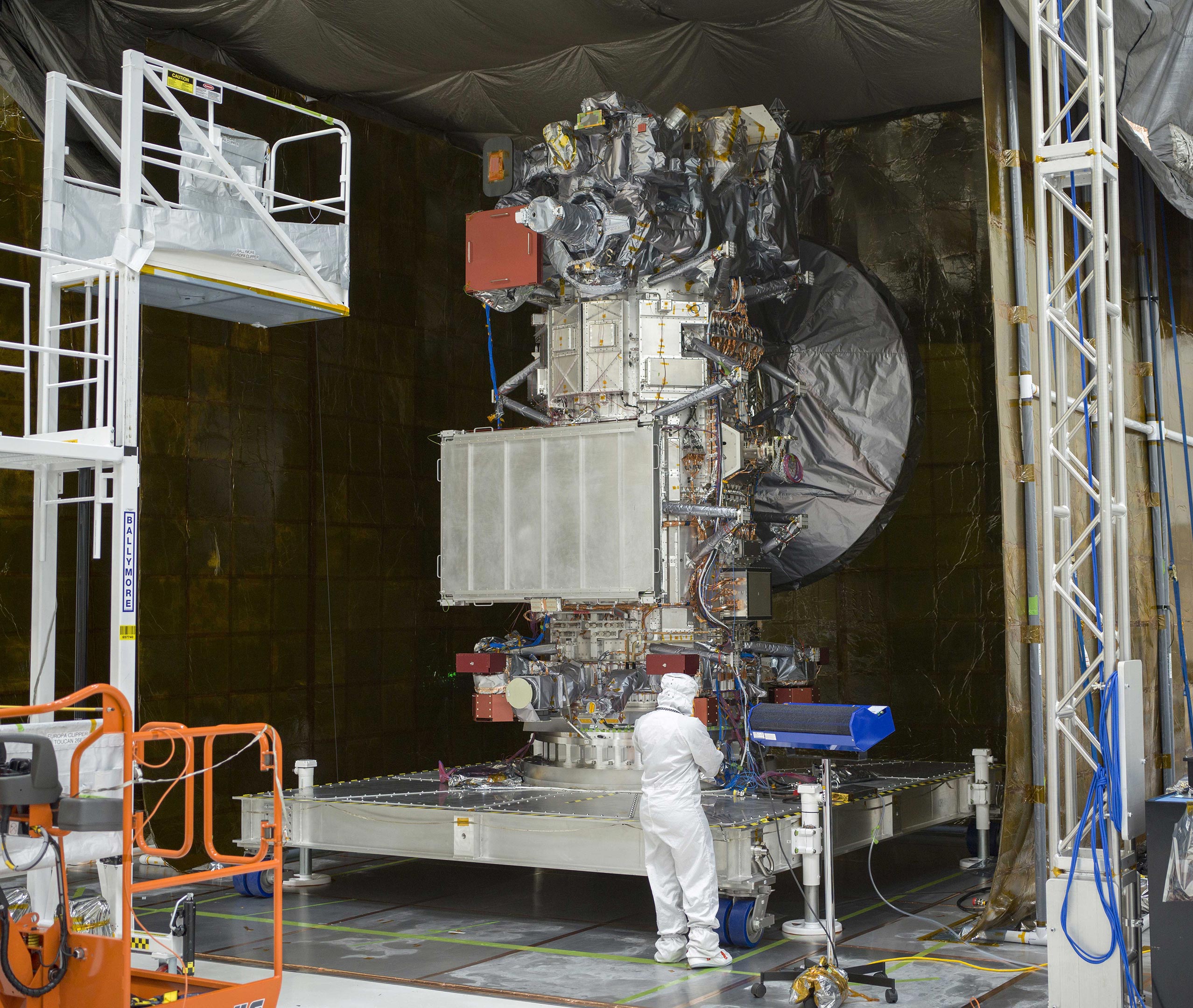
    NASA Europa Clipper With All Instruments Installed
    NASA’s Europa Clipper, with all of its instruments installed, is visible in the clean room of High Bay 1 at the agency’s Jet Propulsion Laboratory on January 19. The tent around the spacecraft was erected to support electromagnetic testing.
    Credit: NASA/JPL-Caltech

    NASA’s Europa Clipper Instruments Are All Aboard

    NASA’s Europa Clipper mission has passed a major milestone. With less than nine months to go in the countdown to its launch, the massive spacecraft, which is being assembled at NASA’s Jet Propulsion Laboratory, has been outfitted with its science instruments.

    Set to launch in October 2024, the spacecraft will head to Jupiter’s ice-covered moon Europa, where a salty ocean beneath the frozen surface may hold conditions suitable for life.
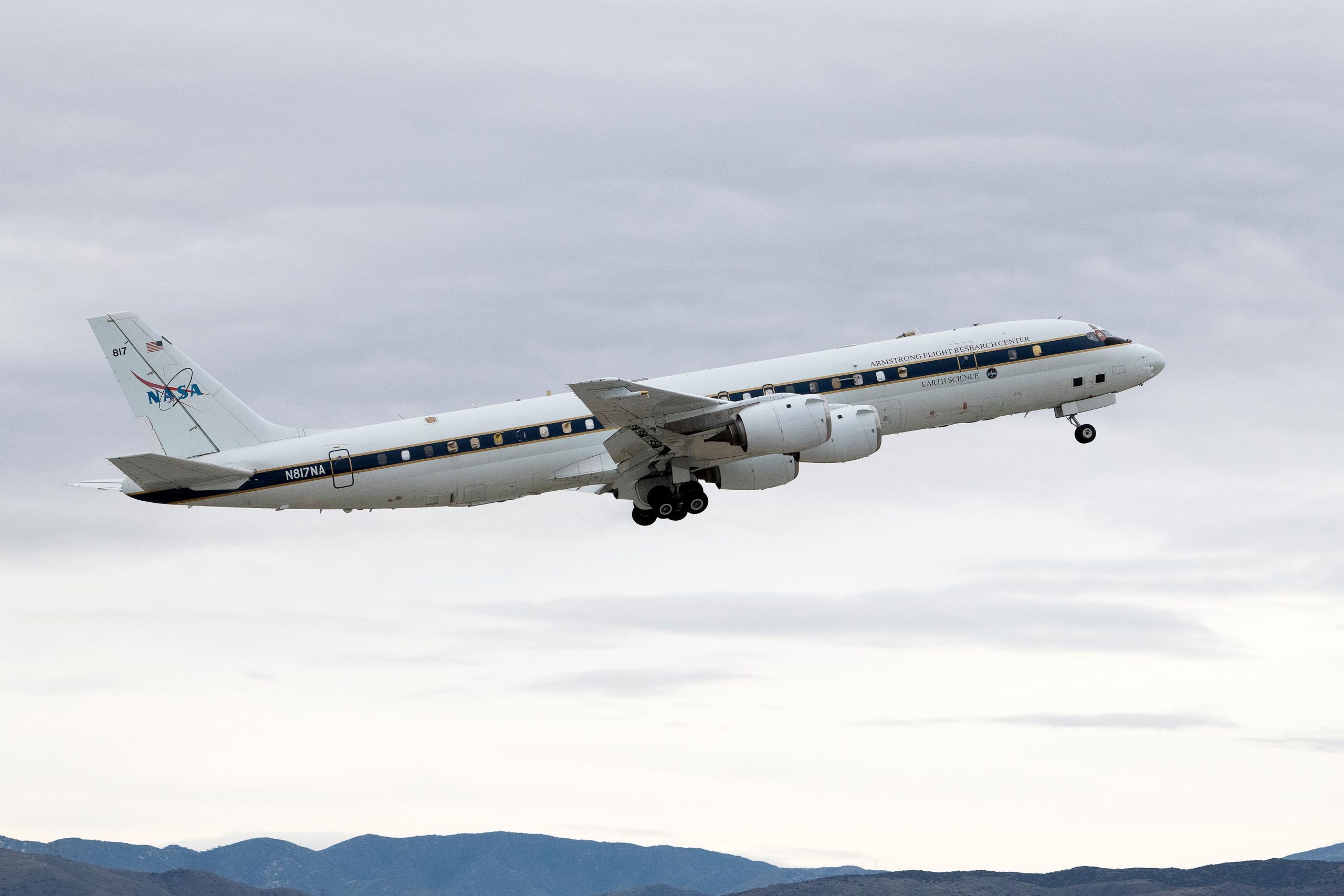
    NASA DC-8 Aircraft ASIA-AQ Mission
    NASA’s DC-8 aircraft takes off from NASA’s Armstrong Flight Research Center Building 703 in Palmdale, California, to conduct test flights as part of the Airborne and Satellite Investigation of Asian Air Quality, or ASIA-AQ mission, that will collect detailed air quality data over several locations in Asia. Credit: NASA/Carla Thomas

    NASA Collaborates in International Air Quality Study

    The Airborne and Satellite Investigation of Asian Air Quality, or ASIA-AQ mission is a collaboration between NASA and Korea’s National Institute of
    Environmental Research.

    The mission will use aircraft – including NASA’s DC-8 and G-III aircraft, satellites, and ground-based instruments to study the air quality in Asia as part of a global effort to better understand the air
    we breathe.

    That’s what’s up this week @NASA.

    Never miss a breakthrough: Join the SciTechDaily newsletter.
    Follow us on Google and Google News.

    NASA
    Share. Facebook Twitter Pinterest LinkedIn Email Reddit

    Related Articles

    “At First, We Thought Something Was Wrong” – NASA DART Mission Reveals a Cosmic Snowball Fight

    What’s Really Happening on Venus? Scientists Reveal Surprising Patterns

    “Ghost Galaxy” Made of 99% Dark Matter Discovered 300 Million Light Years Away

    Hubble Captures a Dying Star Cracking Open the Egg Nebula

    NASA’s Curiosity Rover Finds Organic Molecules on Mars That Meteorites Can’t Explain

    Hubble Telescope Spots Strange, Massive Disk 40 Times the Size of Our Solar System

    NASA’s Perseverance Mars Rover Makes History With AI-Planned Drive

    NASA SpaceX Crew-12 Enters Isolation Ahead of Launch

    Astronomers Discover an Earth-Like Planet With a Dangerous Temperature Problem

    Leave A Reply Cancel Reply

    • Facebook
    • Twitter
    • Pinterest
    • YouTube

    Don't Miss a Discovery

    Subscribe for the Latest in Science & Tech!

    Trending News

    Monster Storms on Jupiter Unleash Lightning Beyond Anything on Earth

    Scientists Create “Liquid Gears” That Spin Without Touching

    The Simple Habit That Could Help Prevent Cancer

    Millions Take These IBS Drugs, But a New Study Finds Serious Risks

    Scientists Unlock Hidden Secrets of 2,300-Year-Old Mummies Using Cutting-Edge CT Scanner

    Bread Might Be Making You Gain Weight Even Without Eating More Calories

    Scientists Discover Massive Magma Reservoir Beneath Tuscany

    Europe’s Most Active Volcano Just Got Stranger – Here’s Why Scientists Are Rethinking It

    Follow SciTechDaily
    • Facebook
    • Twitter
    • YouTube
    • Pinterest
    • Newsletter
    • RSS
    SciTech News
    • Biology News
    • Chemistry News
    • Earth News
    • Health News
    • Physics News
    • Science News
    • Space News
    • Technology News
    Recent Posts
    • Webb Space Telescope Uncovers Unexpected Ice Clouds on a Jupiter-Like World
    • 289-Million-Year-Old Reptile Mummy Reveals Origin of Human Breathing System
    • New Brain Discovery Challenges Long-Held Theory of Teenage Brain Development
    • Sharks Are Overheating as Warming Oceans Push Them to the Edge
    • Scientists Discover Plants “Scream” – We Just Couldn’t Hear Them Until Now
    Copyright © 1998 - 2026 SciTechDaily. All Rights Reserved.
    • Science News
    • About
    • Contact
    • Editorial Board
    • Privacy Policy
    • Terms of Use

    Type above and press Enter to search. Press Esc to cancel.