

Close Menu
    Facebook X (Twitter) Instagram
    SciTechDaily
    • Biology
    • Chemistry
    • Earth
    • Health
    • Physics
    • Science
    • Space
    • Technology
    Facebook X (Twitter) Pinterest YouTube RSS
    SciTechDaily
    Home»Space»This Week @NASA: Private Astronaut Mission, Autonomous Snake-Like Robot Explorer, TROPICS Launch
    Space

    This Week @NASA: Private Astronaut Mission, Autonomous Snake-Like Robot Explorer, TROPICS Launch

    By NASAMay 28, 2023No Comments3 Mins Read
    Facebook Twitter Pinterest Telegram LinkedIn WhatsApp Email Reddit
    Share
    Facebook Twitter LinkedIn Pinterest Telegram Email Reddit
    Exobiology Extant Life Surveyor (EELS)
    Illustration of the Exobiology Extant Life Surveyor (EELS) concept. Credit NASA/JPL-CalTech

    The second all-private astronaut mission to the space station …

    Completing the set of tiny severe weather trackers …

    And a robotic explorer – with a twist …

    A few of the stories to tell you about – This Week at NASA!

    Second Private Astronaut Mission to the Space Station

    On May 21, a SpaceX Dragon spacecraft launched from NASA’s Kennedy Space Center on Axiom Mission 2, the second all private astronaut mission to the International Space Station.

    The four-person crew, commanded by former NASA astronaut Peggy Whitson, is scheduled to spend several days conducting research, outreach, and commercial activities on the space station.
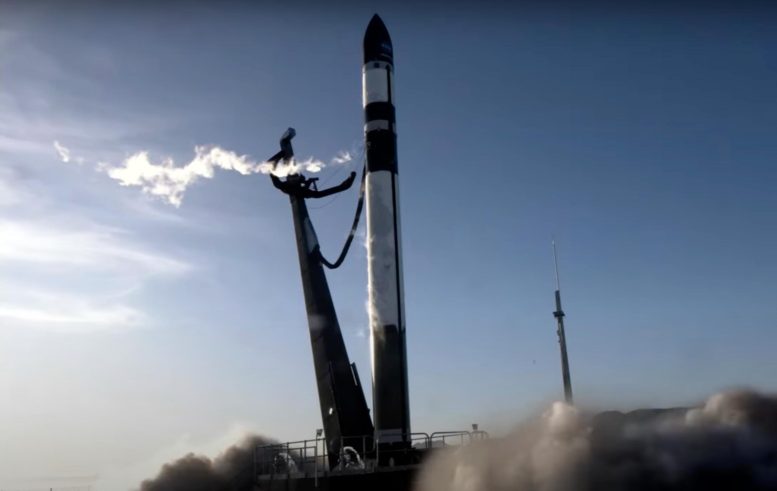
    Rocket Lab TROPICS CubeSats
    Rocket Lab’s Electron rocket lifts off from Launch Complex 1 at Māhia, New Zealand at 11:46 a.m, on May 25, 2023, carrying two TROPICS CubeSats for NASA. Credit: Rocket Lab

    Final Pair of Storm-Observing CubeSats Launched

    The final two CubeSats for NASA’s TROPICS mission launched from Rocket Lab’s Launch Complex 1 in New Zealand on May 26. The small satellites will join two other identical spacecraft that launched to orbit earlier this month.

    All four will fly, as a constellation, in a unique low Earth orbit that will allow them to observe tropical cyclones, including hurricanes and typhoons, more often than what is possible with
    current weather satellites.
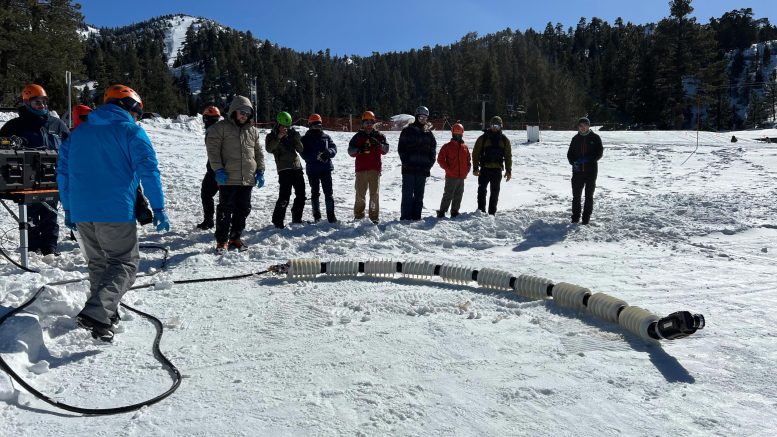
    Snake Robot EELS at Ski Resort
    Team members from JPL test a snake robot called EELS at a ski resort in the Southern California mountains in February. Designed to sense its environment, calculate risk, travel, and gather data without real-time human input, EELS could eventually explore destinations throughout the solar system. Credit: NASA/JPL-Caltech

    Autonomous Snake-Like Robotic Explorer

    A team at NASA’s Jet Propulsion Laboratory is creating and testing a snake-like robot called EELS, short for Exobiology Extant Life Surveyor. The self-propelled, autonomous robot is
    being developed to go where other robots can’t go.

    Although it was inspired by a desire to look for signs of life in the sub-surface ocean on Saturn’s icy moon, Enceladus, EELS is not currently part of any NASA mission.
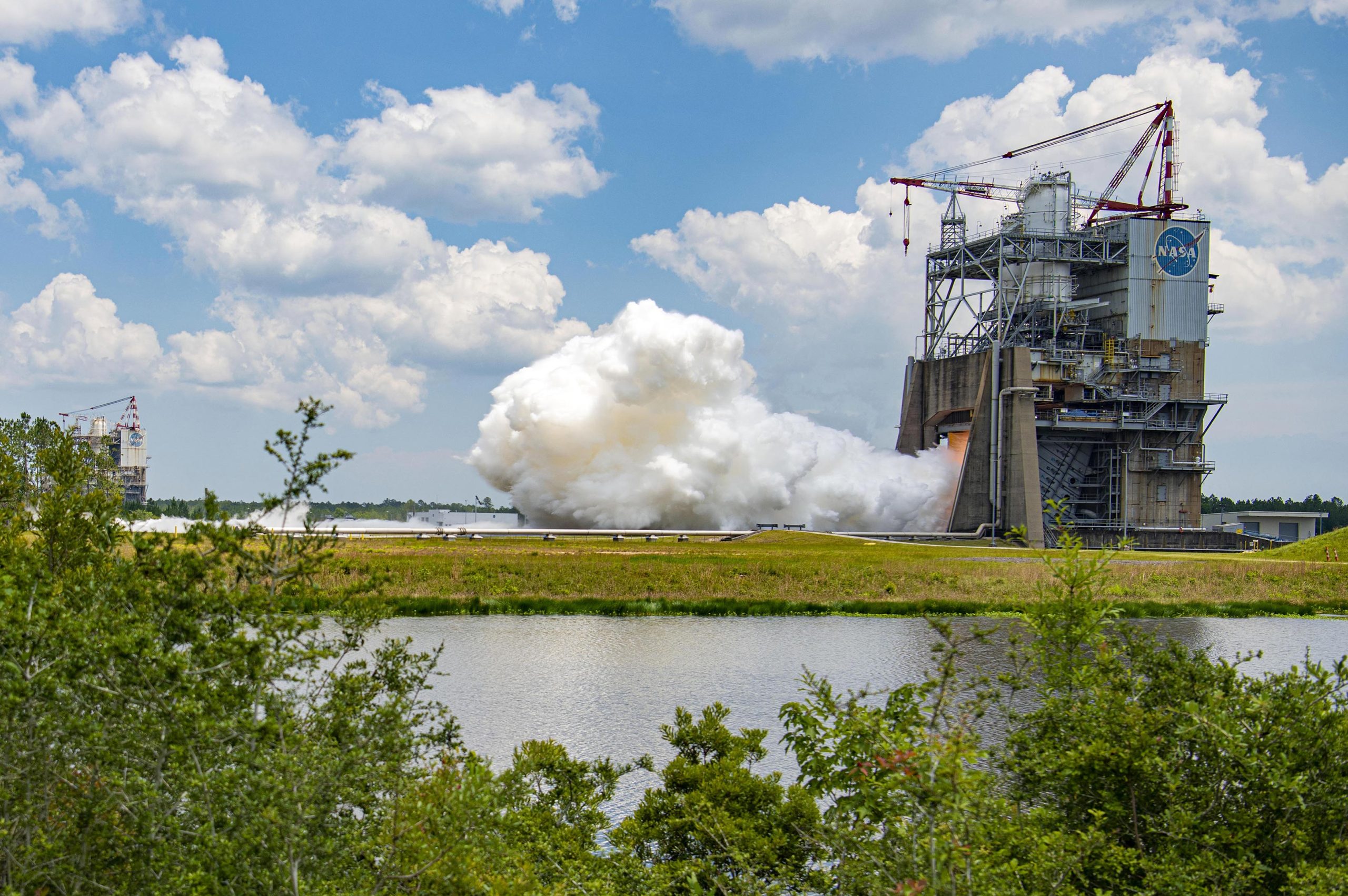
    Hot Fire RS-25 Certification Engine
    NASA completed a crucial hot fire test of the RS-25 engine, part of a 12-test certification series for future Artemis missions. This achievement brings NASA one step closer to landing the first woman and person of color on the Moon, as well as establishing a long-term lunar presence. Credit: NASA / Stennis

    Artemis Rocket Engine Test Series Continues

    On May 23, NASA’s Stennis Space Center conducted a hot fire test of an RS-25 rocket engine. It was the eighth hot fire of the current 12-test series to certify production of new RS-25s.

    Four of the engines will help power NASA’s Space Launch System rocket on future Artemis missions to the Moon.

    That’s what’s up this week @NASA.

    Never miss a breakthrough: Join the SciTechDaily newsletter.
    Follow us on Google and Google News.

    NASA
    Share. Facebook Twitter Pinterest LinkedIn Email Reddit

    Related Articles

    Scientists Propose a Radical New Method To Find Alien Life

    NASA’s Psyche Could Reveal the Secret Inside This Metal World

    Mars Was Once Warm and Wet. NASA’s ESCAPADE Is About to Learn What Went Wrong

    NASA’s Curiosity Rover Discovers Spiderweb Ridges on Mars That Hint at Ancient Water

    NASA’s DART Impact Actually Changed an Asteroid System’s Orbit Around the Sun

    NASA’s Webb Telescope Reveals an Eerie Nebula That Looks Like a Giant Brain

    “At First, We Thought Something Was Wrong” – NASA DART Mission Reveals a Cosmic Snowball Fight

    What’s Really Happening on Venus? Scientists Reveal Surprising Patterns

    Hubble Captures a Dying Star Cracking Open the Egg Nebula

    Leave A Reply Cancel Reply

    • Facebook
    • Twitter
    • Pinterest
    • YouTube

    Don't Miss a Discovery

    Subscribe for the Latest in Science & Tech!

    Trending News

    Scientists Uncover Promising New Strategy To Stop Parkinson’s in Its Tracks

    Experts Reveal the Surprising Cancer Link Behind a Common Vitamin

    This Strange “Golden Orb” Found 2 Miles Deep Stumped Scientists for Years

    Giant “Last Titan” Dinosaur Discovered in Thailand Was Bigger Than 9 Elephants

    This “Longevity Gene” May Protect the Brain From Aging and Dementia

    Common Cleaning Chemical Could Triple Your Risk of a Dangerous Liver Disease

    Scientists Discover Bizarre 100-Million-Year-Old Insect With Giant Claws

    Scientists Discover “Good” Gut Microbes That Could Protect Against Autism and ADHD

    Follow SciTechDaily
    • Facebook
    • Twitter
    • YouTube
    • Pinterest
    • Newsletter
    • RSS
    SciTech News
    • Biology News
    • Chemistry News
    • Earth News
    • Health News
    • Physics News
    • Science News
    • Space News
    • Technology News
    Recent Posts
    • Vitamin C May Fight Cancer in a Surprising Way
    • Light-Matter Particles Could Revolutionize AI Computing
    • Scientists Warn Many Insects May Not Survive a Warming World
    • Hektoria Glacier Collapse Reveals How Fast Antarctica Can Fall Apart
    • Hidden Earthquake Threat: Oregon’s Fault May Be Closer to the Surface Than Scientists Thought
    Copyright © 1998 - 2026 SciTechDaily. All Rights Reserved.
    • Science News
    • About
    • Contact
    • Editorial Board
    • Privacy Policy
    • Terms of Use

    Type above and press Enter to search. Press Esc to cancel.