
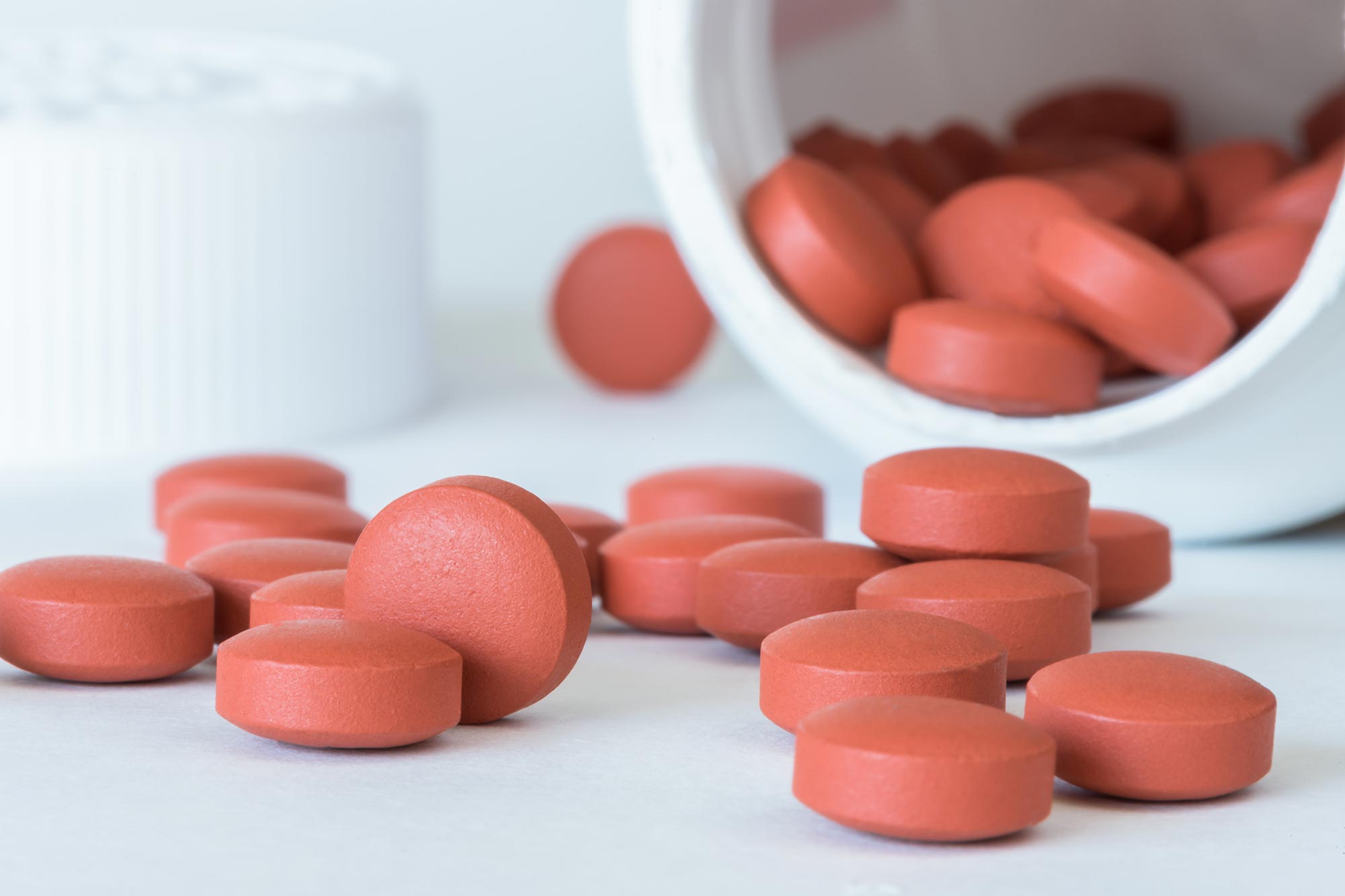
A new study suggests that suppressing inflammation after surgery may prolong pain instead of relieving it.
Taking anti-inflammatory medication after an operation is a common part of care. However, a new study from Michigan State University suggests that suppressing inflammation right after surgery could have the opposite of the intended effect, potentially slowing recovery and extending pain instead of easing it.
In the new study, published recently in the Journal of Pain Research, the researchers found that allowing inflammation to proceed naturally helped pain fade sooner and was linked to faster overall recovery after surgery or injury.
“The idea was that blocking inflammation would reduce pain overall,” said Geoffroy Laumet, the study’s senior author and associate professor in the Department of Physiology and the Neuroscience Program at MSU. “Instead, blocking inflammation increased pain in the long run. It was an unexpected result.”
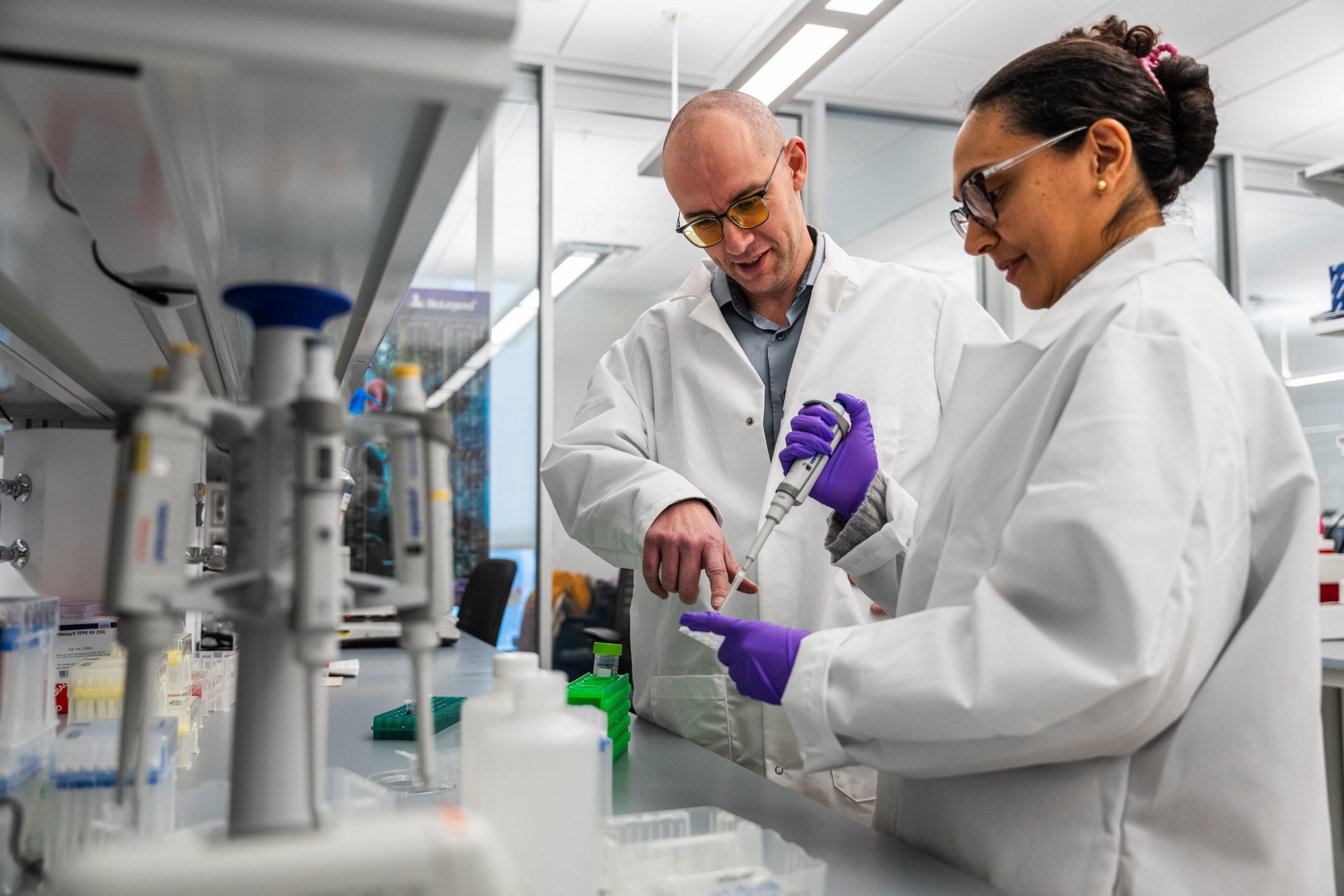
To investigate why this might happen, the team used mice to examine postoperative pain when a major immune signaling molecule called TNF-α, or tumor necrosis factor alpha, was active compared with when it was suppressed. They created a small incision to model surgery and then inhibited TNF-α, which normally helps drive inflammation. The researchers expected pain to decrease when TNF-α was blocked, but they saw the reverse. The mice remained in pain for much longer. “It prevented the body from turning off the pain normally,” Laumet explained.
A surprising discovery
At first, Laumet suspected something had gone wrong with the experiment. But after several lab members repeated the work and confirmed the outcome using three different ways to inhibit TNF-α, including Etanercept, an FDA-approved drug used in humans, the pattern held up.
Across many types of procedures, from having a tooth pulled to a hip replacement, about 90% of patients see their pain resolve as expected. The remaining 10% develop chronic pain, Laumet said. This long-lasting pain can be difficult to treat, often does not respond well to medication, and may persist for years.
More than 40 million Americans undergo surgery each year — meaning an estimated 4 million Americans develop chronic postsurgical pain annually. Laumet’s work suggests the body’s ability to promote TNF-α in response to the injury from the surgical incision could be a critical factor in whether a person’s pain resolves or not.
The problem with pain
Should you throw out your ibuprofen? Not exactly. There are many different molecules in the body involved in inflammation, pain and healing.
“We don’t have a good understanding of what is doing what, so the key will be to identify which molecules are contributing to pain and which are contributing to the resolution of pain,” Laumet said. “The goal is to target the bad and keep the good ones.”
Although this study suggests that blocking TNF-α after surgery is likely unwise, there are other scenarios where it may still make sense, such as improving mobility by reducing arthritic inflammation in the joints for autoimmune diseases like rheumatoid arthritis.
In defense of inflammation
“Inflammation is not necessarily a bad thing,” Laumet said. “Yes, it hurts, but it’s also working on the inside to promote the resolution of that pain. The idea in the medical field that when you have an injury, you should absolutely block the inflammation right away might not always be the best strategy.”
Does Laumet think that one day we’ll be able to block the pain but allow the healing inflammation? “Yeah, I do think so,” he says. “If not, I would do a different job.”
Reference: “Unexpected Role of TNFα Signaling in the Resolution of Postoperative Pain in Mice” by Sophie Laumet, Aaryn M Edwards, Kufreobong E Inyang and Geoffroy Laumet, 12 November 2025, Journal of Pain Research.
DOI: 10.2147/JPR.S543971
Funding: National Institutes of Health, U.S. Department of Defense
Never miss a breakthrough: Join the SciTechDaily newsletter.
Follow us on Google and Google News.
1 Comment
Pain research ointment mice, or any animal, is cruelty and psychopathy. The mice were cut on the bottoms of their feet and tortured with heat on the wound. This went on for 10 days.
This tells you much more about the human tendency towards cruelty than anything else. You also cannot tell whether any of this would apply to humans. “We don’t have a good understanding of what is doing what, so the key will be to identify which molecules are contributing to pain and which are contributing to the resolution of pain,” Laumet said. “The goal is to target the bad and keep the good ones.” This means lots more animals to torture.
See my article, Of Mice and Men: The Problem with Studying Mice to Learn about Men. https://www.academia.edu/127948044/Of_Mice_and_Men_The_Problems_with_Studying_Mice_to_Learn_about_Men