
Close Menu
    Facebook X (Twitter) Instagram
    SciTechDaily
    • Biology
    • Chemistry
    • Earth
    • Health
    • Physics
    • Science
    • Space
    • Technology
    Facebook X (Twitter) Pinterest YouTube RSS
    SciTechDaily
    Home»Biology»Vast Seabird Colony Creates “Halo” of Depleted Fish Stocks
    Biology

    Vast Seabird Colony Creates “Halo” of Depleted Fish Stocks

    By University of ExeterJuly 8, 2021No Comments3 Mins Read
    Facebook Twitter Pinterest Telegram LinkedIn WhatsApp Email Reddit
    Share
    Facebook Twitter LinkedIn Pinterest Telegram Email Reddit
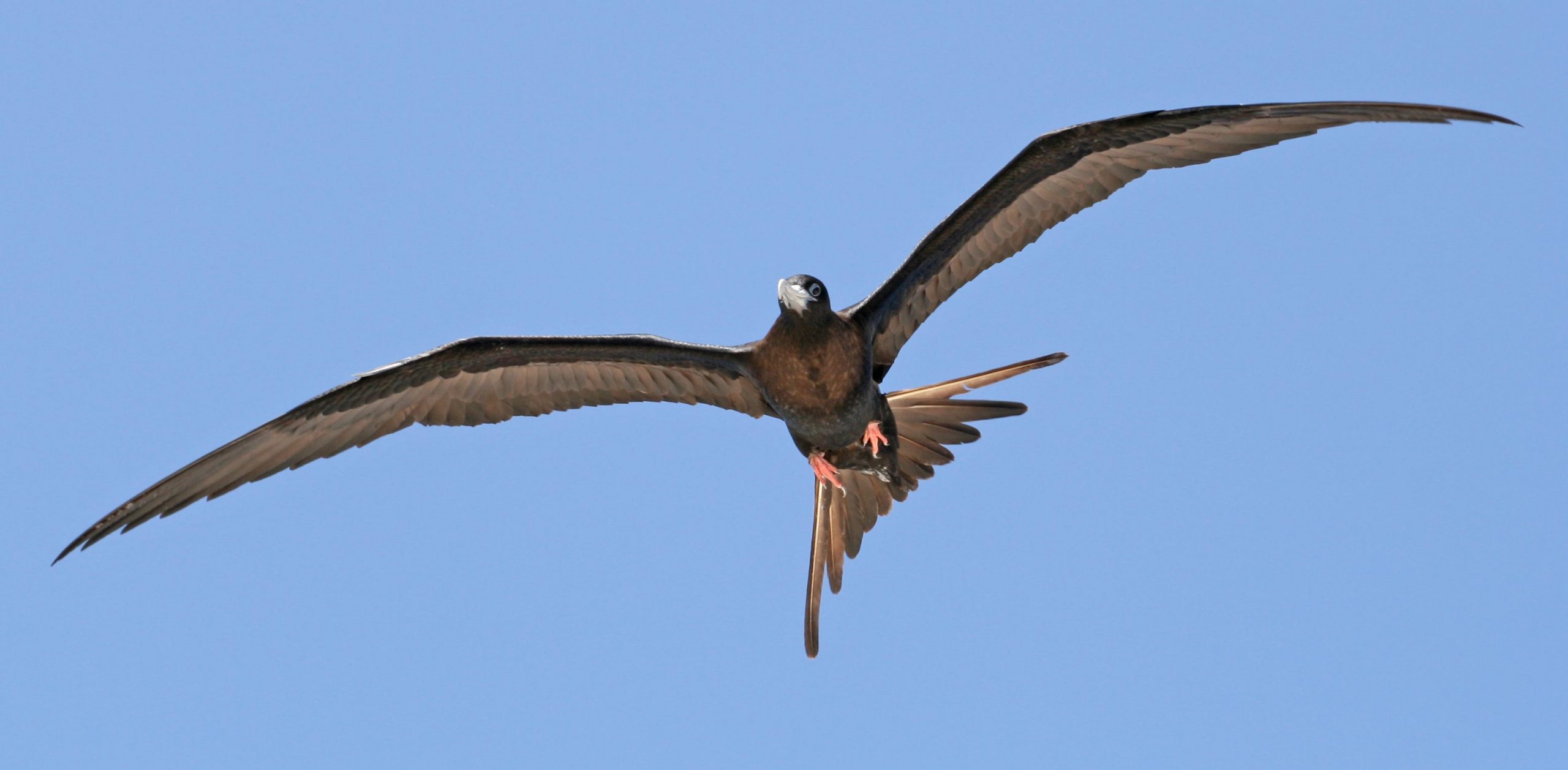
    Ascension Frigate
    Ascension frigate. Credit: Sam Weber

    A vast seabird colony on Ascension Island creates a “halo” in which fewer fish live, new research shows.

    Ascension, a UK Overseas Territory, is home to tens of thousands of seabirds — of various species — whose prey incudes flying fish.

    The new study, by the University of Exeter and the Ascension Island Government, finds reduced flying fish numbers up to 150km (more than 90 miles) from the island — which could only be explained by the foraging of seabirds.

    The findings — which provide rare evidence for a long-standing theory first proposed at Ascension — show how food-limited seabird populations naturally are, and why they are often so sensitive to competition with human fishers.
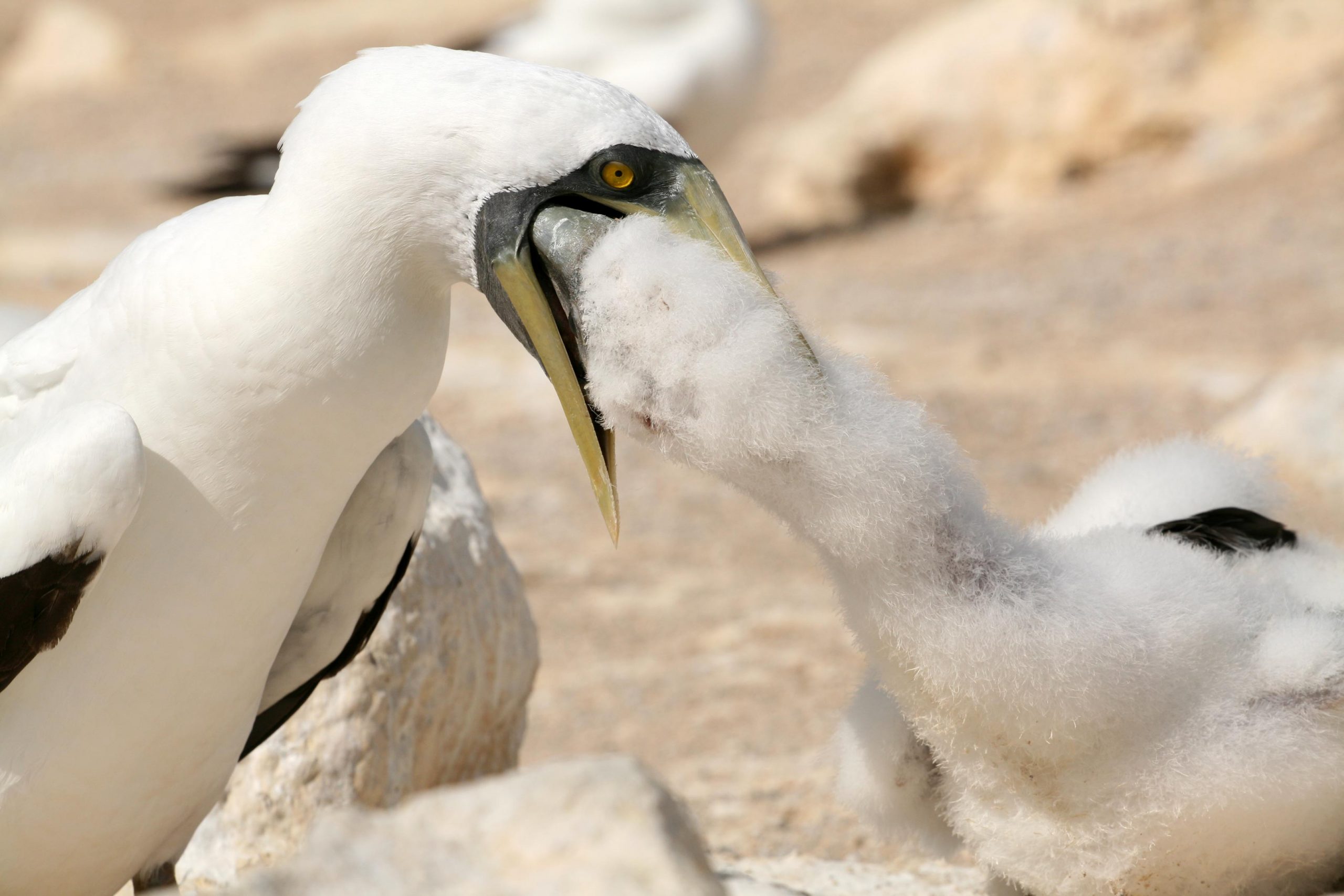
    Masked Booby Feeding Chick
    Masked booby feeding a chick. Credit: Sam Weber

    “This study tells us a lot about large colonies of animals and how their numbers are limited,” said Dr. Sam Weber, of the Centre for Ecology and Conservation on Exeter’s Penryn Campus in Cornwall.

    “These birds are concentrated at Ascension Island during the breeding season, and the intensity of their foraging is naturally highest near the island.

    The Energy Cost of Diminishing Prey Near Colonies

    “As they use up the most accessible prey located near to the island, they have to travel increasingly long distances to feed, causing the ‘halo’ to expand outwards.

    “Once individuals can’t find enough food to break even with the energy they expend finding it, the colony stops growing.

    “Human impacts such as fisheries can interfere with this natural balance and have negative effects on populations of marine top predators like seabirds, even if they don’t directly harm the birds.

    “What was particularly surprising is the large scale of the footprint we found. It shows that Marine Protected Areas may need to be very large because some predators rely on prey stocks across a huge area.”
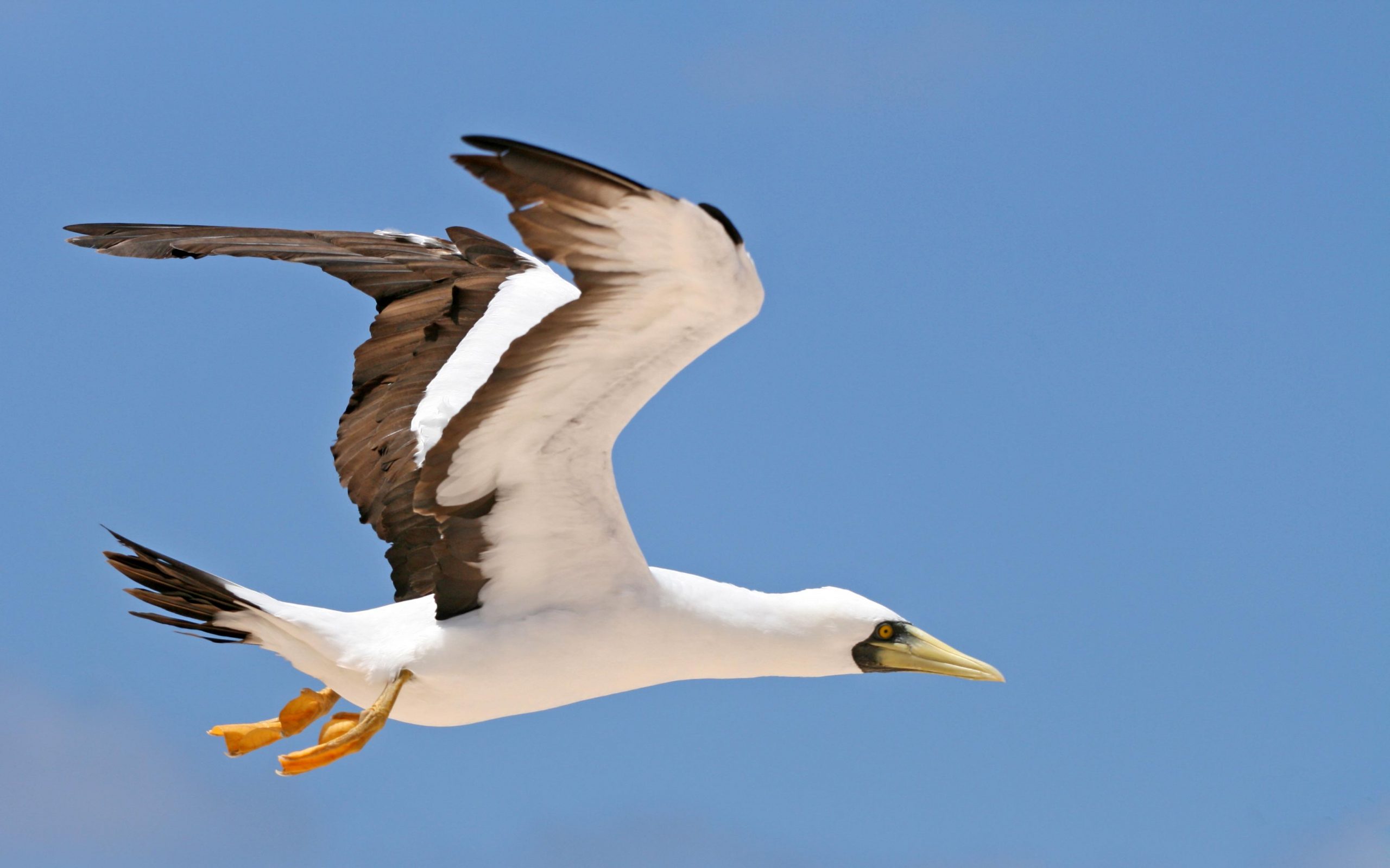
    Masked Booby
    Masked booby. Credit: Sam Weber

    Ashmole’s Halo: A Long-Standing Ecological Theory

    The pattern of prey depletion revealed by the study is known as “Ashmole’s halo”, after British ornithologist Philip Ashmole, who first proposed it about 60 years ago after a visit to Ascension Island.

    For the study, the researchers counted flying fish, tracked seabirds’ foraging trips, and examined their regurgitated food.

    The nesting seabird species on Ascension that prey on flying fish include frigatebirds, masked boobies, and brown boobies.

    Reference: “Direct evidence of a prey depletion ‘halo’ surrounding a pelagic predator colony” by Sam B. Weber, Andrew J. Richardson, Judith Brown, Mark Bolton, Bethany L. Clark, Brendan J. Godley, Eliza Leat, Steffen Oppel, Laura Shearer, Karline E. R. Soetaert, Nicola Weber and Annette C. Broderick, 5 July 2021, Proceedings of the National Academy of Sciences.
    DOI: 10.1073/pnas.2101325118

    The research team included the RSPB and the Royal Netherlands Institute for Sea Research.

    The study was funded by UK Government’s Conflict, Security and Stability Fund and by a Darwin Initiative grant.

    Never miss a breakthrough: Join the SciTechDaily newsletter.
    Follow us on Google and Google News.

    Ecology Fish Marine Biology Ornithology University of Exeter
    Share. Facebook Twitter Pinterest LinkedIn Email Reddit

    Related Articles

    Exploring Climate Change and Seafood Sustainability of US Tuna Fisheries

    Overfishing of Atlantic Cod Likely Did Not Cause Genetic Changes – Hope for Recovery

    Lessons From a Failed Experiment: When “Eradicated” Species Bounce Back With a Vengeance

    “Functional Eradication” – Limiting Invasive Species May Be a Better Goal Than Eliminating Them

    Ocean’s Mammals at Crucial Crossroads – 25% of Species at Risk of Extinction

    Fish Poop Helps Remove 1.65 Billion Tons of Carbon From the Atmosphere Each Year

    Underwater Sound Devices Called “Pingers” Could Save Porpoises From Fishing Nets

    New Hope for Coral Reef Restoration From Playing Sounds of Healthy Reefs on Loudspeakers

    European Catfish Learn to Catch Pigeons

    Leave A Reply Cancel Reply

    • Facebook
    • Twitter
    • Pinterest
    • YouTube

    Don't Miss a Discovery

    Subscribe for the Latest in Science & Tech!

    Trending News

    Breakthrough Bowel Cancer Trial Leaves Patients Cancer-Free for Nearly 3 Years

    Natural Compound Shows Powerful Potential Against Rheumatoid Arthritis

    100,000-Year-Old Neanderthal Fossils in Poland Reveal Unexpected Genetic Connections

    Simple “Gut Reset” May Prevent Weight Gain After Ozempic or Wegovy

    2.8 Days to Disaster: Scientists Warn Low Earth Orbit Could Suddenly Collapse

    Common Food Compound Shows Surprising Power Against Superbugs

    5 Simple Ways To Remember More and Forget Less

    The Atomic Gap That Could Cost the Semiconductor Industry Billions

    Follow SciTechDaily
    • Facebook
    • Twitter
    • YouTube
    • Pinterest
    • Newsletter
    • RSS
    SciTech News
    • Biology News
    • Chemistry News
    • Earth News
    • Health News
    • Physics News
    • Science News
    • Space News
    • Technology News
    Recent Posts
    • Birds in Cities Fear Women More Than Men and Scientists Don’t Know Why
    • Scientists Warn That This Common Pet Fish Can Wreck Entire Ecosystems
    • Scientists Just Made Carbon Capture Much Cheaper and Easier
    • Harvard Breakthrough Brings Powerful UV Light Sources Onto a Chip
    • This Strange Quantum “Dance” Could Rewrite Superconductivity
    Copyright © 1998 - 2026 SciTechDaily. All Rights Reserved.
    • Science News
    • About
    • Contact
    • Editorial Board
    • Privacy Policy
    • Terms of Use

    Type above and press Enter to search. Press Esc to cancel.