
Close Menu
    Facebook X (Twitter) Instagram
    SciTechDaily
    • Biology
    • Chemistry
    • Earth
    • Health
    • Physics
    • Science
    • Space
    • Technology
    Facebook X (Twitter) Pinterest YouTube RSS
    SciTechDaily
    Home»Biology»Brucella Blocked From Bonding With Host, Could Lead to Superbug Cure
    Biology

    Brucella Blocked From Bonding With Host, Could Lead to Superbug Cure

    By SciTechDailyAugust 27, 2012No Comments2 Mins Read
    Facebook Twitter Pinterest Telegram LinkedIn WhatsApp Email Reddit
    Share
    Facebook Twitter LinkedIn Pinterest Telegram Email Reddit
    anti-virulence-drugs-brucella
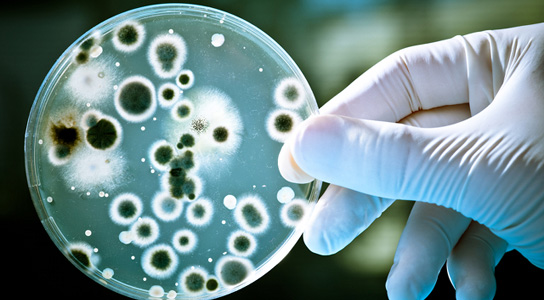
    Researchers discovered small molecules that target proteins in a biological system required for many bacteria to be harmful. 

    Pathogenic bacteria without their virulent factors could be rendered harmless and eliminated by the human immune system. That’s the goal that a group of researchers have been striving for, and they recently managed to block the Brucella bacteria from bonding with its host.

    The scientists published their findings in the journal Chemistry & Biology. Infectious diseases caused by pathogenic bacteria have been problematic, but antibiotics have been able to keep them in check. Recently, there have been worrying developments in certain pathogens, such as the bacterium Neisseria gonorrhoeae that causes gonorrhea, which no longer responds to some antibiotics.
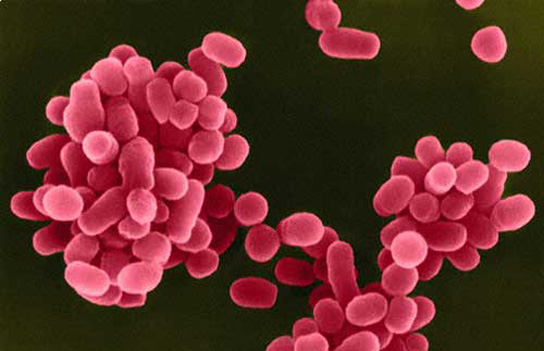
    brucella-bacterium

    Bacteria have the capacity to develop a resistance to antibiotics soon after they are first introduced. They transfer this capacity to their offspring and to other bacteria. Superbugs are resistant to all but a few antibiotics. Some are even resistant to all.

    Baron’s team discovered small molecules that target proteins in a biological system required for many bacteria to be harmful. They have been partly successful in unraveling the bindings of the molecules that target a protein known as VirB8, a key part of the virulence mechanism of Brucella.

    The benefits of such a treatment would be that bacteria would be rendered harmless and they could not evolve a resistance to this. They would reside harmlessly in our gut. Anti-virulence drugs still have to be proven effective in clinical trials before the battle could be won.

    Reference: “Identification of the Binding Site of Brucella VirB8 Interaction Inhibitors” by Mark A. Smith, Mathieu Coinçon, Athanasios Paschos, Benoit Jolicoeur, Pierre Lavallée, Jurgen Sygusch and Christian Baron, 23 August 2012, Chemistry & Biology.
    DOI: 10.1016/j.chembiol.2012.07.007

    Never miss a breakthrough: Join the SciTechDaily newsletter.
    Follow us on Google and Google News.

    Bacteria Disease Epidemiology Superbug Virus
    Share. Facebook Twitter Pinterest LinkedIn Email Reddit

    Related Articles

    Novel Coronavirus hCoV-EMC Infects Humans & Animals

    Prevalence of Multi-Drug Resistant E. Coli Rising ICAAC 2 Reports

    Monkeys Cured of Ebola Zaire Virus With Antibody Cocktail

    Acorn, White-Footed Mice and Tick Cycle Augment Risks of Lyme Disease in 2012

    Highest Recorded Rates of Drug Resistant Tuberculosis

    Antibiotic-Free Meat Might Still Be Contaminated with Drug Resistant Bacteria

    NDM-1 Super Bacteria Scares Medical Community in India

    Viruses Use Bacteria for Reproduction

    Ruminant Orthobunyavirus Takes Northern Europe By Surprise

    Leave A Reply Cancel Reply

    • Facebook
    • Twitter
    • Pinterest
    • YouTube

    Don't Miss a Discovery

    Subscribe for the Latest in Science & Tech!

    Trending News

    JWST Finds a “Star” 100 Billion Times Brighter Than Any Star Should Be

    Scientists Find a Hidden Biological Link Across Different Forms of Autism

    Astronomers Discover a Ghostly River of Stars That Could Reveal Dark Matter

    Why Is Colorectal Cancer Rising in People Under 50? New Clues Point to the Environment

    Quantum Fluctuations Break a Crystal’s Symmetry Rules

    Why Does an Irregular Heartbeat Strike 40 Years Early in Some People?

    Scientists Reveal How ADHD Could Fuel Creative Thinking

    Scientists Find Just 3 Minutes of Sprinting Can Transform Blood Chemistry

    Follow SciTechDaily
    • Facebook
    • Twitter
    • YouTube
    • Pinterest
    • Newsletter
    • RSS
    SciTech News
    • Biology News
    • Chemistry News
    • Earth News
    • Health News
    • Physics News
    • Science News
    • Space News
    • Technology News
    Recent Posts
    • Common Plant Chemical Linked to Widespread Organ Damage in Aquatic Animals
    • Scientists Discover a Hidden Baobab Species in Madagascar
    • Dogs and Humans May Share a Surprising Biological Secret to Longevity
    • A 150-Million-Year-Old Dinosaur Flight Mystery May Finally Have an Answer
    • Giant Crocodylians Ruled South America’s Ancient Food Chain
    Copyright © 1998 - 2026 SciTechDaily. All Rights Reserved.
    • Science News
    • About
    • Contact
    • Editorial Board
    • Privacy Policy
    • Terms of Use

    Type above and press Enter to search. Press Esc to cancel.