
Close Menu
    Facebook X (Twitter) Instagram
    SciTechDaily
    • Biology
    • Chemistry
    • Earth
    • Health
    • Physics
    • Science
    • Space
    • Technology
    Facebook X (Twitter) Pinterest YouTube RSS
    SciTechDaily
    Home»Space»Watch Live: Solar Orbiter Launch From Cape Canaveral
    Space

    Watch Live: Solar Orbiter Launch From Cape Canaveral

    By NASAFebruary 9, 2020No Comments2 Mins Read
    Facebook Twitter Pinterest Telegram LinkedIn WhatsApp Email Reddit
    Share
    Facebook Twitter LinkedIn Pinterest Telegram Email Reddit
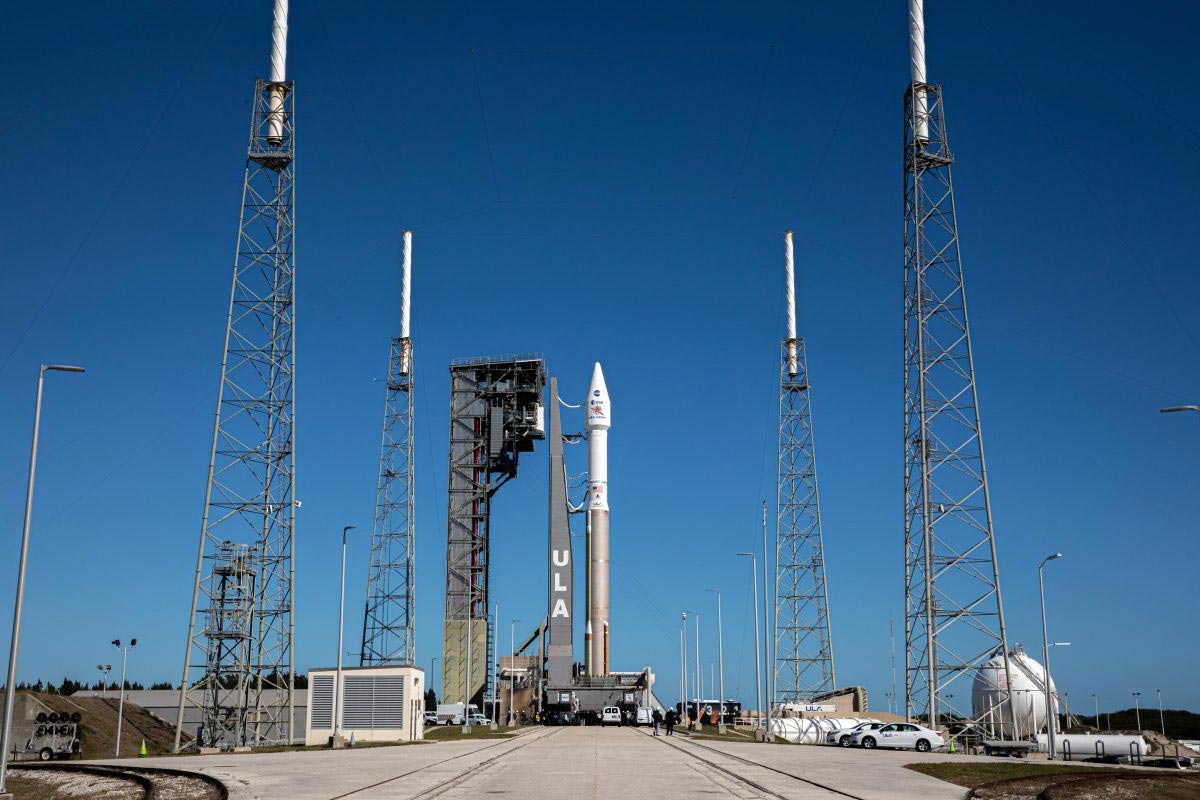
    Atlas V Rocket with Solar Orbiter Spacecraft
    The United Launch Alliance Atlas V rocket with the Solar Orbiter spacecraft arrives at the launch pad at Space Launch Complex 41 on Cape Canaveral Air Force Station in Florida on February 8, 2020. Credit: NASA/Kim Shiflett

    Update: If you missed the live coverage, watch the Solar Orbiter Liftoff Video.

    Note: ESA is also offering live coverage of the Solar Orbiter launch.

    NASA is targeting 11:03 p.m. EST Sunday, February 9, for the launch of Solar Orbiter, an international collaborative mission between ESA (European Space Agency) and NASA. The spacecraft will launch on a United Launch Alliance Atlas V 411 rocket from Space Launch Complex 41 at Cape Canaveral Air Force Station (CCAFS) in Florida.

    Live launch coverage will begin on NASA Television and NASA Live at 10:30 p.m. EST Sunday, February 9, 2020.
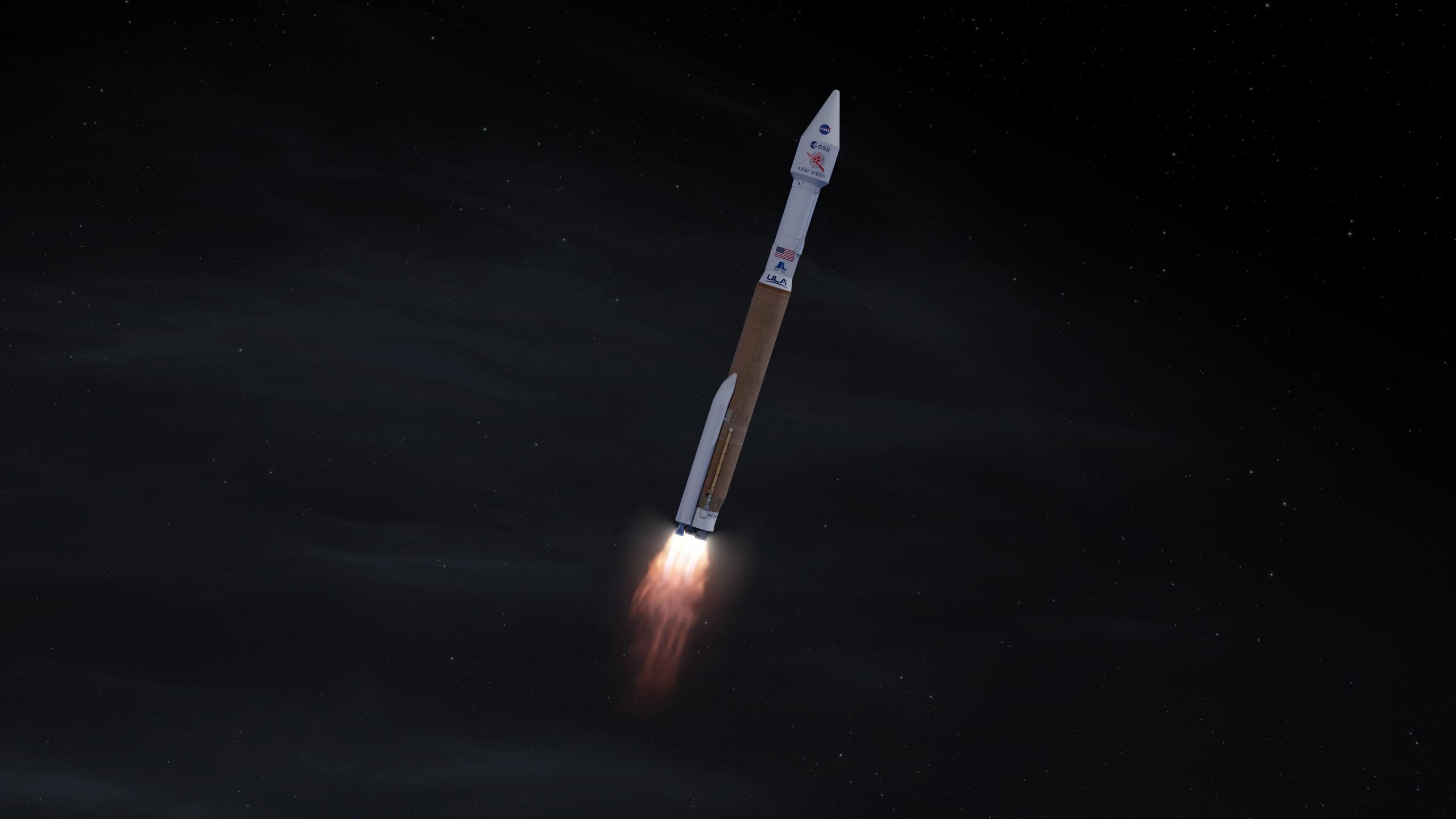
    Atlas V 411 Launching Solar Orbiter Into Space
    Artist’s impression of an Atlas V 411 launching Solar Orbiter into space. Credit: ESA/ATG medialab

    Solar Orbiter will observe the Sun with high spatial resolution telescopes and capture observations in the environment directly surrounding the spacecraft to create a one-of-a-kind picture of how the Sun can affect the space environment throughout our solar system. The spacecraft also will provide the first-ever images of the Sun’s poles and the never-before-observed magnetic environment there, which helps drive the Sun’s 11-year solar cycle and its periodic outpouring of solar storms.
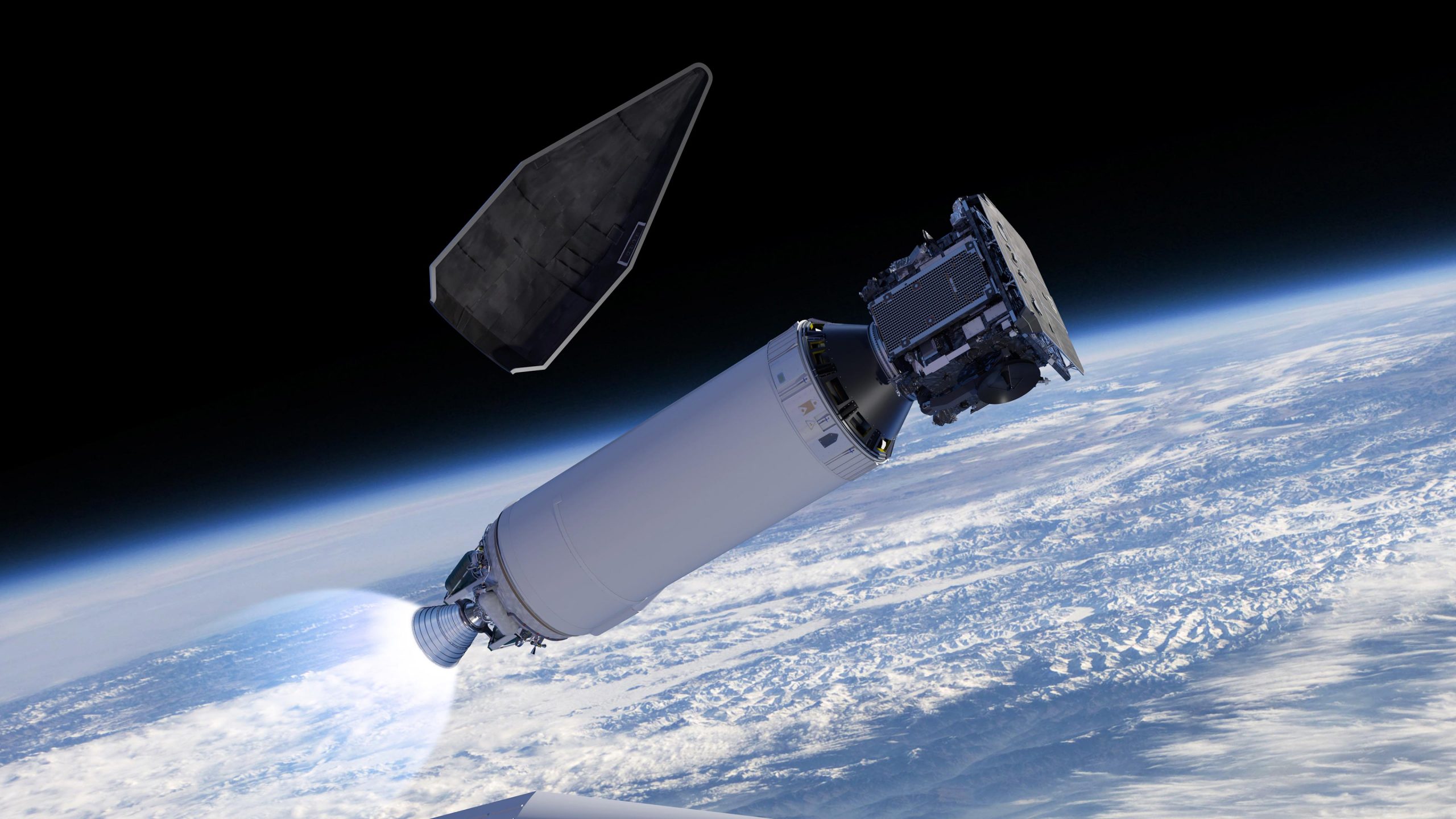
    Solar Orbiter Launch Fairing Separation
    Artist’s impression of the fairing encapsulating Solar Orbiter being released following the launch on an Atlas V 411. Credit: ESA/ATG medialab

    The United Launch Alliance Atlas V rocket carrying the Solar Orbiter spacecraft has made its final move on Earth: the short journey from the Vertical Integration Facility to the launch pad at Space Launch Complex 41 at Cape Canaveral Air Force Station in Florida. Liftoff is targeted for 11:03 p.m. EST on Sunday, February 9. There is a two-hour launch window.

    The weather forecast for launch time calls for favorable conditions. Meteorologists with the U.S. Air Force 45th Space Wing continue to predict an 80% chance of weather cooperating for launch.

    https://youtu.be/U7TamsdlWmc

    Never miss a breakthrough: Join the SciTechDaily newsletter.
    Follow us on Google and Google News.

    European Space Agency NASA Solar Orbiter
    Share. Facebook Twitter Pinterest LinkedIn Email Reddit

    Related Articles

    Solar Orbiter Images First Coronal Mass Ejections – See the Stunning Videos From Multiple Instruments

    Closer Than Ever: Solar Orbiter’s First Views of the Sun [Video]

    Solar Orbiter Snaps Closest Pictures Ever of the Sun – Reveals New “Campfires” Phenomena

    Watch NASA/ESA Solar Orbiter Mission First Image Release – Closer to Sun That Any Spacecraft in History

    Solar Orbiter Launch Highlights [Video]

    Solar Orbiter Blasts Off, Taking Solar Science to New Heights

    Spectacular Solar Orbiter Liftoff [Video]

    Watch Atlas V Rocket Launch Solar Orbiter Into Space Live

    Solar Orbiter Will Encounter Intense Heat and Radiation – Here’s How It’s Protected

    Leave A Reply Cancel Reply

    • Facebook
    • Twitter
    • Pinterest
    • YouTube

    Don't Miss a Discovery

    Subscribe for the Latest in Science & Tech!

    Trending News

    These Toads Are Surviving a Deadly Fungus – Scientists May Finally Know Why

    These Brain Cells May Explain Why We Eventually Have To Sleep

    Tomatoes Contain an Invisible Ingredient With Surprising Effects on Liver Health

    World’s First Heat-Powered Cooling System Turns Waste Heat Into Cold

    Antarctica Gained a Record 695 Billion Tons of Ice in Just Two Years

    Don’t Miss: A Brilliant Venus and Glowing Harvest Moon Light Up the Sky

    New Twist on the Einstein Problem Reveals Unexpected Physics

    JWST Captures Stunning Evidence of How Supermassive Black Holes Feed

    Follow SciTechDaily
    • Facebook
    • Twitter
    • YouTube
    • Pinterest
    • Newsletter
    • RSS
    SciTech News
    • Biology News
    • Chemistry News
    • Earth News
    • Health News
    • Physics News
    • Science News
    • Space News
    • Technology News
    Recent Posts
    • Vitamin B2 and Tumor Bacteria May Unlock a New Way To Fight Lung Cancer
    • This Southern-Style Mediterranean Diet Helped People Lose 10 Pounds
    • Most People Don’t Know This Popular Food Is Linked to Prostate Cancer Risk
    • Earth May Not Be a Cosmic Fluke, New Simulations Suggest
    • Astronomers Watch a Dead Star’s Remains Dissolve Into Space
    Copyright © 1998 - 2026 SciTechDaily. All Rights Reserved.
    • Science News
    • About
    • Contact
    • Editorial Board
    • Privacy Policy
    • Terms of Use

    Type above and press Enter to search. Press Esc to cancel.