
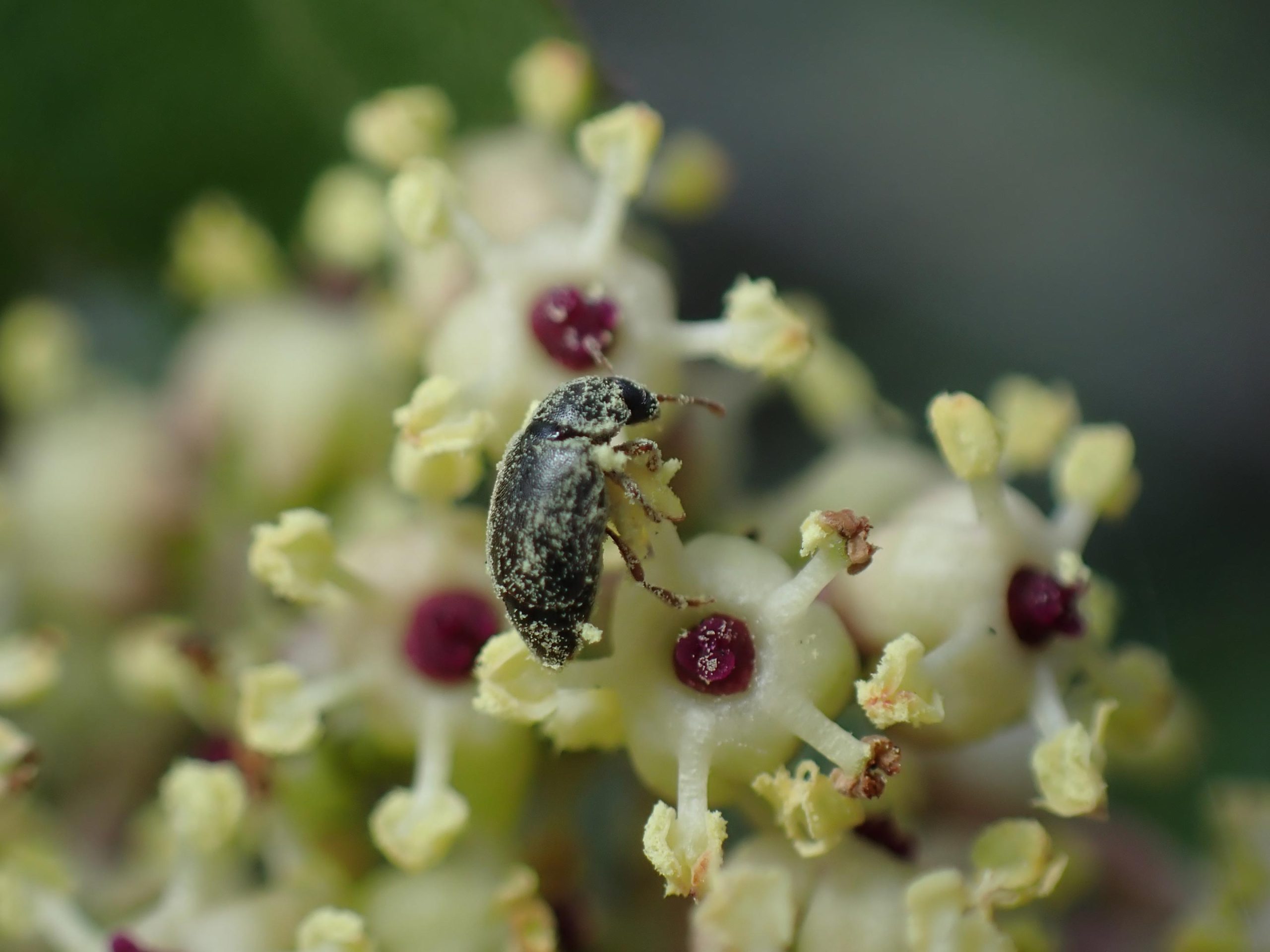
What looks like a plant’s failed fruit may actually be a clever deal that lets both the plant and its pollinating beetles survive.
Japanese red elder plants protect their own survival by dropping fruits that contain Heterhelus beetle larvae. Surprisingly, this process also allows the beetle larvae to survive. According to a study from Kobe University, this unusual interaction changes how scientists understand the balance between plants and the insects that pollinate them.
When Pollination and Conflict Overlap
In some plant insect relationships, the insect both pollinates the plant and uses the fruit as a place for its offspring to develop. Biologists call this type of relationship “nursery pollination mutualism.” Kobe University botanist Kenji Suetsugu explains, “These interactions are fascinating because they sit on the boundary between cooperation and conflict.”
Well-known examples include figs and fig wasps and yuccas and yucca moths. In these cases, plants often control insect populations by dropping fruits that contain too many larvae. Because the larvae die when the fruit falls, scientists have long viewed this as a punishment system that keeps the partnership balanced.
However, Suetsugu began to question whether this explanation applied to Japanese red elder plants. “I once observed Japanese red elder flowers full of Heterhelus beetles mating and feeding, and I also saw fruits infested by the beetles’ larvae dropping in large numbers. With such seemingly great losses to both sides, I wondered whether this was really punishment and how the insects keep their losses contained,” says Suetsugu, voicing suspicion that there is something missing in the current narrative of the sanction-driven balance in nursery pollination mutualisms.
Investigating the Plant and Beetle Partnership
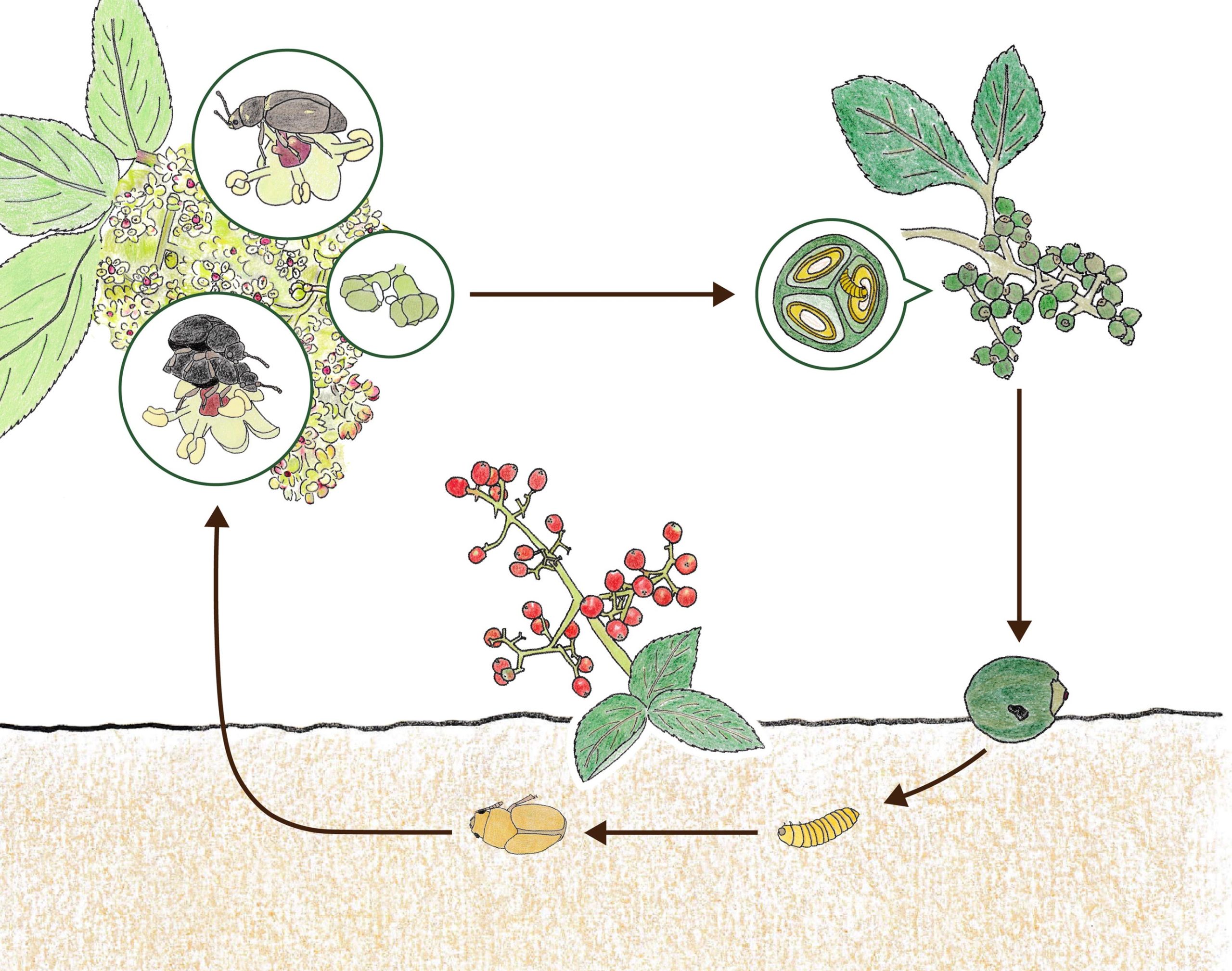
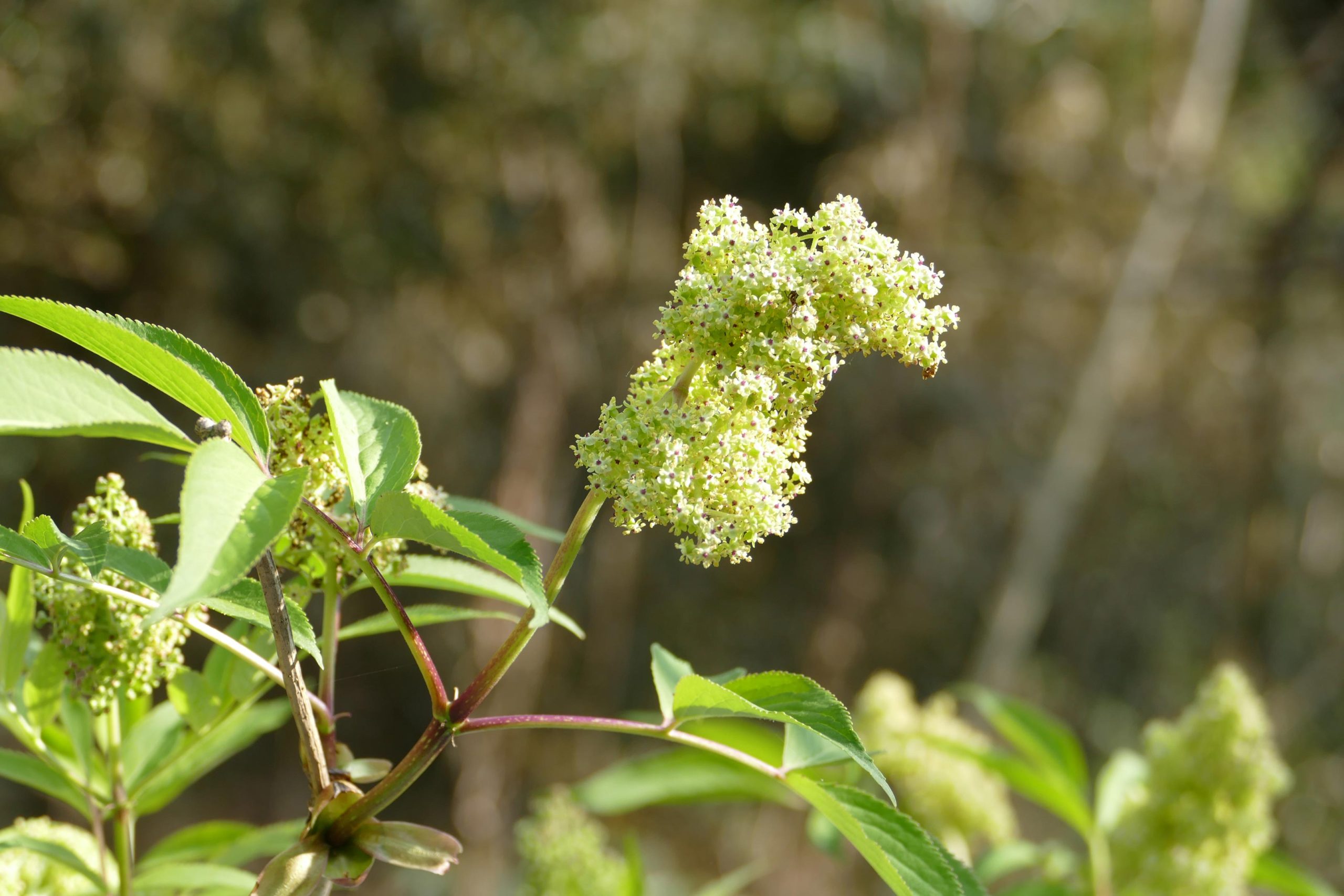
To explore this puzzle, Suetsugu and his colleagues focused on two main questions. First, do Heterhelus beetles serve as essential pollinators for the Japanese red elder Sambucus sieboldiana? Second, what process allows both the plant and the insects to benefit from this relationship?
Suzu Kawashima, a master’s student in Suetsugu’s laboratory, describes the demanding approach required for the study. “To tackle this issue, one requires an unusual combination of careful field observation of pollination events, exclusion and hand pollination experiments, as well as developmental tracking of the insects even after the fruit drop. Many studies stop at one of these steps, simply because doing all of them takes time, patience, and logistical commitment.”
Fruit Drop That Allows Larvae to Survive
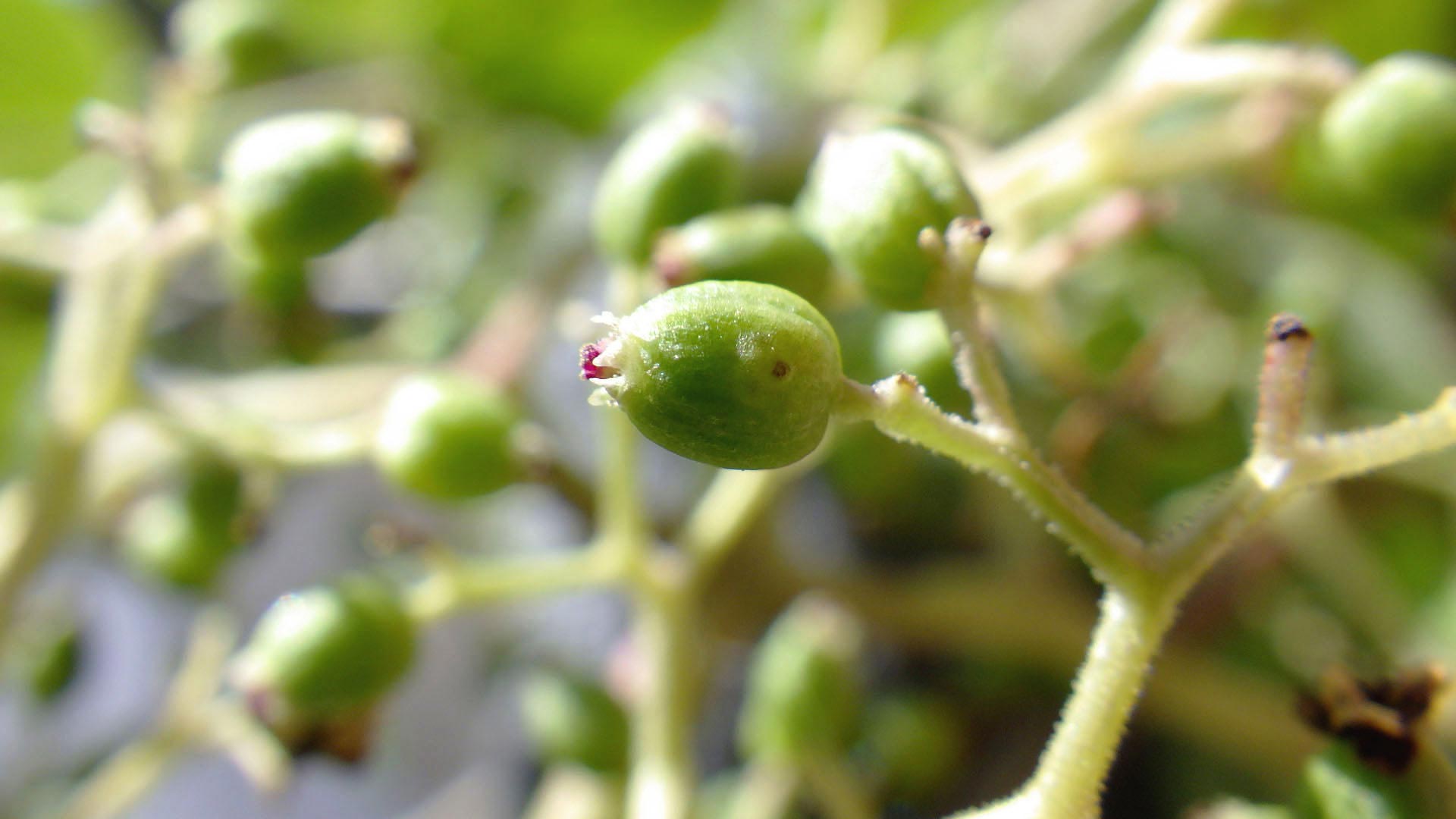
Writing in the journal Plants, People, Planet, the researchers report that the Japanese red elder depends on Heterhelus beetles for pollination. At the same time, the plant aborts nearly all fruits that contain larvae, reducing the amount of resources it invests in those fruits.
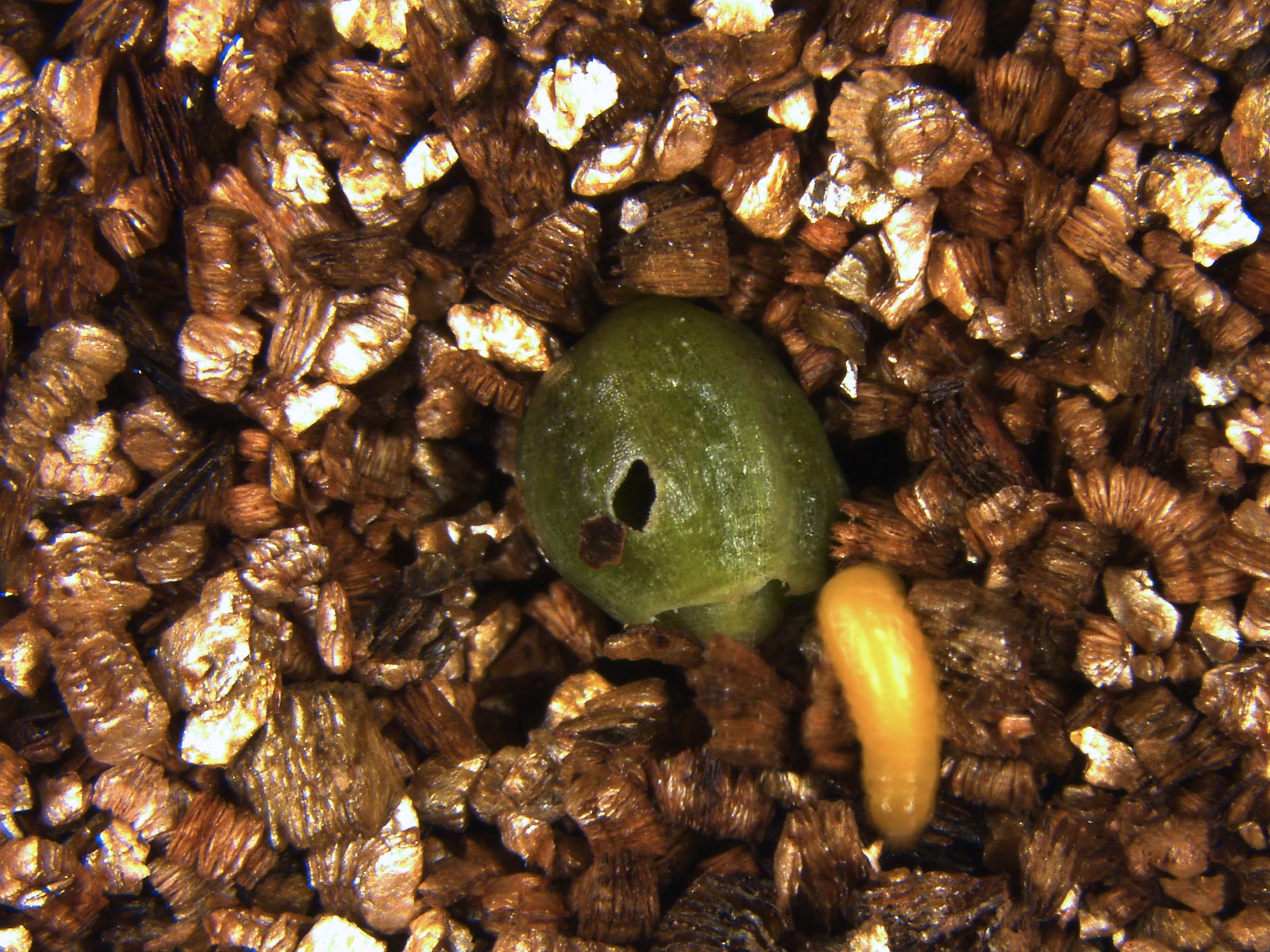
Importantly, the larvae do not die after the fruit falls. Instead, they exit the fruit and burrow into the soil, where they continue their development. This means the dropped fruit does not act as a lethal punishment.
“What our finding shows is a different route to a stable balance, where fruit abortion can function as a compromise that both sides can tolerate. This finding shifts the narrative from dropping fruit as punishment to it being a shared benefit — without denying the underlying conflict that defines nursery pollination mutualisms in the first place,” says Kawashima, who was the first author of the study.
How Environment Shapes the Relationship
The researchers also measured the costs and benefits of this plant beetle interaction. Their results suggest that the balance between the two species varies depending on location, which indicates that environmental conditions likely influence how the relationship functions.
Kawashima explains: “While all Heterhelus beetle species depend on elder plants for reproduction, the same is not true in reverse, and there is considerable variation in pollinator dependence across elder plant species. In future work, mapping where Heterhelus dominates versus where alternative pollinators are more important should clarify the ecological drivers behind when the ‘fallen-fruit compromise’ is favored and when it is not.”
Rethinking Cooperation in Nature
For Suetsugu, the findings highlight how cooperation in nature can arise from processes that initially appear wasteful or unsuccessful.
“On a personal level, this study makes me feel that we are only beginning to appreciate how much cooperation in nature is maintained by mechanisms that look, at first glance, like failure. A fallen fruit looks like a loss. Realizing that it can instead be the very structure that keeps a mutualism stable is exactly the kind of insight that makes me want to keep following these interactions year after year.”
Reference: “The shared benefits of fallen fruits: A novel mechanism stabilizing a nursery pollination mutualism between Sambucus and kateretid beetles” by Suzu Kawashima, Hidehito Okada, Sadatomo Hisamatsu and Kenji Suetsugu, 5 March 2026, Plants, People, Planet.
DOI: 10.1002/ppp3.70175
The research was funded by the Japan Science and Technology Agency (grant JPMJPR21D6) and carried out in collaboration with a researcher from the University of Human Environments.
Never miss a breakthrough: Join the SciTechDaily newsletter.
Follow us on Google and Google News.