
Close Menu
    Facebook X (Twitter) Instagram
    SciTechDaily
    • Biology
    • Chemistry
    • Earth
    • Health
    • Physics
    • Science
    • Space
    • Technology
    Facebook X (Twitter) Pinterest YouTube RSS
    SciTechDaily
    Home»Biology»Wild Blueberry Extract May Help Wounds Heal Faster
    Biology

    Wild Blueberry Extract May Help Wounds Heal Faster

    By Experimental BiologyApril 2, 20221 Comment2 Mins Read
    Facebook Twitter Pinterest Telegram LinkedIn WhatsApp Email Reddit
    Share
    Facebook Twitter LinkedIn Pinterest Telegram Email Reddit
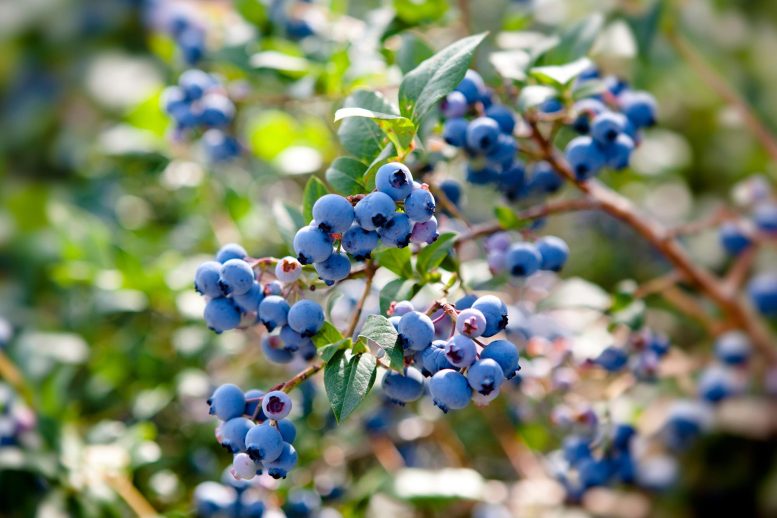
    Wild Blueberries
    Wild Blueberries

    Rat study of phenolic compound shows improved blood vessel formation and healing times.

    Treating wounds with an extract taken from wild blueberries may improve healing, according to a new study. The research will be presented this week in Philadelphia at the American Physiological Society’s (APS) annual meeting at Experimental Biology 2022.
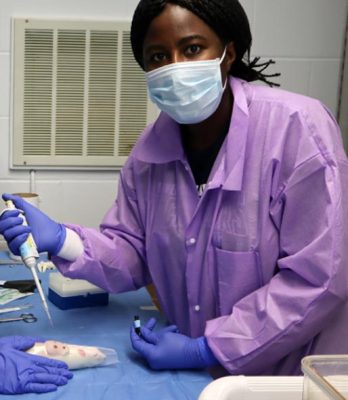
    Tolu Esther Adekeye
    Tolu Esther Adekeye, MS, University of Maine. Credit: Tolu Esther Adekeye

    More than $50 billion is spent on wound care each year. Chronic wounds, such as diabetes-related sores and pressure ulcers, may be categorized as “nonhealing” due to the reduced vascularization (development of nutrient-rich blood vessels) that often accompanies these conditions. Vascularization is necessary for wound healing.

    Researchers from the University of Maine previously found that a phenolic extract from wild blueberries improved vascularization and cell migration—critical steps in the healing process—in human umbilical cord cells. In a new study, the research team, led by Dorothy Klimis-Zacas, MS, PhD, FACN, examined the effects of phenolic extract on live wounds. Phenols are compounds naturally found in some foods that act as antioxidants to prevent or reverse some forms of cell damage.

    The researchers treated a group of rats with a topical gel containing a wild blueberry phenolic extract. Compared to animals that were treated with a base gel that did not contain the phenolic extract and a control group that received no treatment, the treated group showed improved migration of endothelial cells to the wound site and a 12% increase in wound closure.

    “Wild blueberries have the potential to enhance cell migration, new blood vessel formation (angiogenesis), and vascularization and to speed up wound closure. This is especially important in conditions that require enhanced wound closure in patients with chronic wounds such as diabetic wounds, burns, and pressure ulcers,” said Tolu Esther Adekeye, MS, first author of the study.

    Meeting: Experimental Biology 2022

    Never miss a breakthrough: Join the SciTechDaily newsletter.
    Follow us on Google and Google News.

    Physiology Wounds
    Share. Facebook Twitter Pinterest LinkedIn Email Reddit

    Related Articles

    KL001 Interacts With Cryptochrome, May Offer a New Way to Treat Diabetes

    Genes Down-Regulated in Spaceflight Extend the Lifespan of Worms

    Imbalance Between Neuronal Excitation and Inhibition May Account for Seizure Susceptibility in Angelman Syndrome

    Physical Properties of Stem Cells Predict What They Will Become

    High-Fructose Diet Slows the Brain, Hampering Memory and Learning

    PAPupuncture Offers Long-Lasting Pain Relief

    Blind Golden Moles Have a Blue-Green Iridescent Sheen, a Rare Example in Mammals

    Researchers Use Human Neurons to Investigate Parkinson’s Disease

    Researchers Discover Chloroplast Genomes Transfer from Plant to Plant

    1 Comment

    1. MARGARET L TOVREA on April 2, 2022 10:44 pm

      I already know which wild stands are definitely getting a re-visit later this year!

      Reply
    Leave A Reply Cancel Reply

    • Facebook
    • Twitter
    • Pinterest
    • YouTube

    Don't Miss a Discovery

    Subscribe for the Latest in Science & Tech!

    Trending News

    Quantum Fluctuations Break a Crystal’s Symmetry Rules

    Why Does an Irregular Heartbeat Strike 40 Years Early in Some People?

    Scientists Reveal How ADHD Could Fuel Creative Thinking

    Scientists Find Just 3 Minutes of Sprinting Can Transform Blood Chemistry

    Have We Found Alien Life? Here’s What Scientists Really Think

    Neuroscientist Challenges the Idea That Your Brain “Makes” Decisions

    Quitting Alcohol Can Change the Brain in Surprising Ways, Mouse Study Finds

    FDA-Approved Drug Shows Promise for Reversing Osteoarthritis Damage

    Follow SciTechDaily
    • Facebook
    • Twitter
    • YouTube
    • Pinterest
    • Newsletter
    • RSS
    SciTech News
    • Biology News
    • Chemistry News
    • Earth News
    • Health News
    • Physics News
    • Science News
    • Space News
    • Technology News
    Recent Posts
    • A Manhattan-Sized Ice Island Just Broke Off Greenland
    • 30 Years of Hurricane Data Reveal 4 Warning Signs Before Storms Strengthen
    • Natural Compound in Broccoli Could Help Treat a Rare, Incurable Neurological Disease
    • Common Supplements Show Antibiotic-Like Benefits Against Severe Gum Disease
    • Scientists Warn of a Nearly 400% Increase in Toxic Liver Injuries – One Common Drug Leads the List
    Copyright © 1998 - 2026 SciTechDaily. All Rights Reserved.
    • Science News
    • About
    • Contact
    • Editorial Board
    • Privacy Policy
    • Terms of Use

    Type above and press Enter to search. Press Esc to cancel.