
Close Menu
    Facebook X (Twitter) Instagram
    SciTechDaily
    • Biology
    • Chemistry
    • Earth
    • Health
    • Physics
    • Science
    • Space
    • Technology
    Facebook X (Twitter) Pinterest YouTube RSS
    SciTechDaily
    Home»Biology»Wolf Spider Baby Boom in a Warmer Arctic
    Biology

    Wolf Spider Baby Boom in a Warmer Arctic

    By Aarhus UniversityJuly 4, 2020No Comments4 Mins Read
    Facebook Twitter Pinterest Telegram LinkedIn WhatsApp Email Reddit
    Share
    Facebook Twitter LinkedIn Pinterest Telegram Email Reddit
    Wolf Spider Egg Sac
    Wolf Spider egg sac.

    Climate change leads to longer growing seasons in the Arctic. A new study shows that predators like wolf spiders respond to the changing conditions and have been able to produce two clutches of offspring during the short Arctic summer.
    Climate change leads to longer growing seasons in the Arctic. A new study, which has just been published in Proceedings of the Royal Society B, show that predators like wolf spiders respond to the changing conditions and have been able to produce two clutches of offspring during the short Arctic summer.

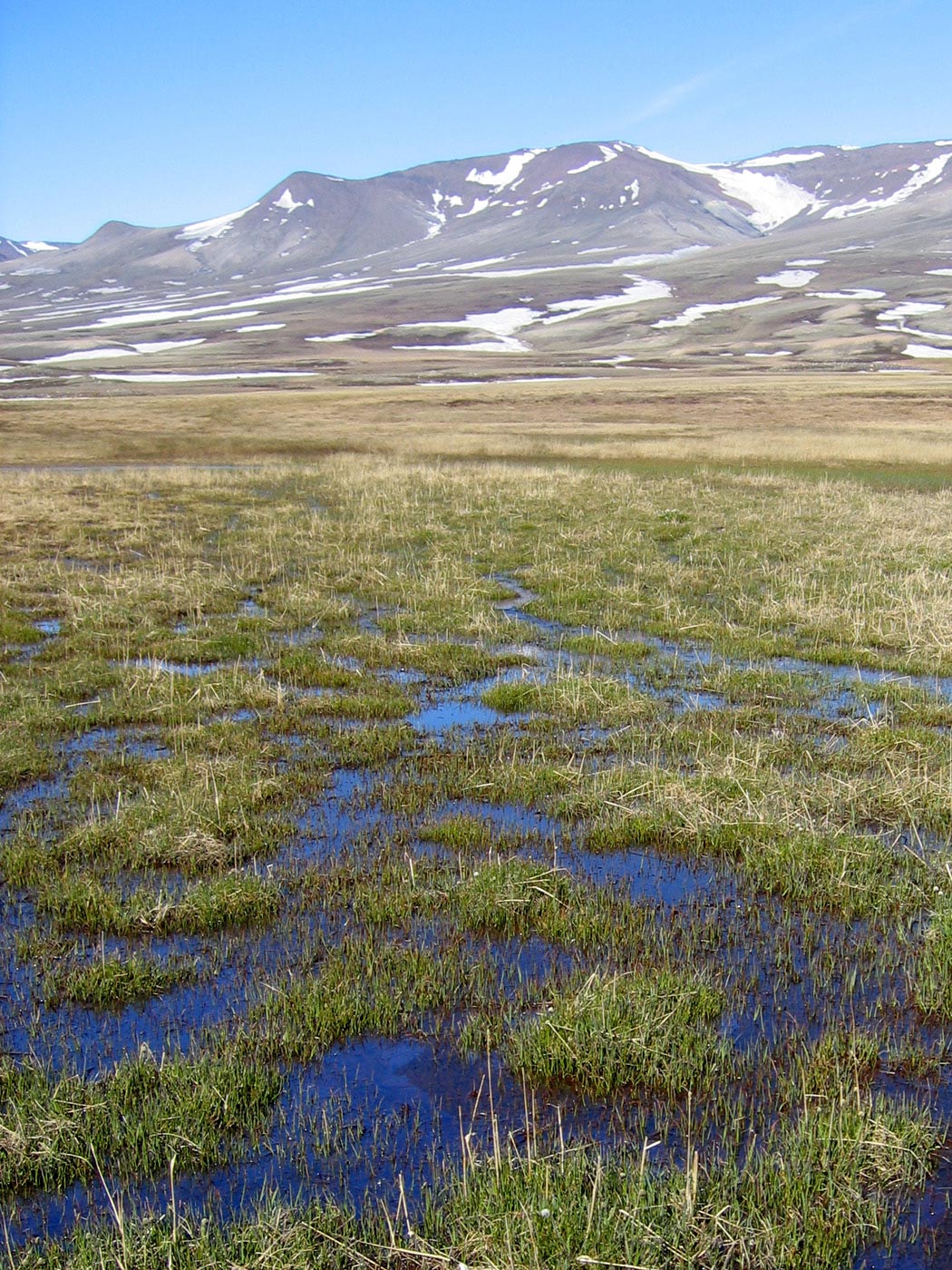
    Early Spring Arctic Tundra
    The snow disappears earlier and earlier from the Arctic tundra and climate change therefore entails a longer growth season for Arctic plants and animals. Credit: Toke T. Høye

    Arctic spiders are at the top of the food chain among invertebrates and are numerous on the Arctic tundra. They typically take several years to become adults, and only produce offspring.

    But something is happening in the high north in these years. A lot, actually.

    Climate change is more dramatic here than in no other place on Earth. The average temperature is increasing significantly and this affects the ecosystems.

    Researchers have previously reported how plants bloom earlier and earlier in the season. There are also signs that species move farther north and up into the mountains.

    A team of researchers led by senior researcher Toke T. Høye from the Arctic Research Centre and Department of Bioscience at Aarhus University has now shown that changes are also occurring in the reproduction of invertebrates.

    For almost 20 years, researchers at the Zackenberg Research Station in north-eastern Greenland have caught wolf spiders as part of the monitoring program Greenland Ecosystem Monitoring. The spiders were caught in small pitfall traps set up in different vegetation types.

    Wolf spiders carry their eggs in a so-called egg sac. The researchers counted the number of eggs in the individual spider’s egg sacs and compared this information with the time of the season that the animal was caught. By looking at the distribution of the number of eggs in the egg sacs throughout the season, it became clear that in some summers the spiders produced two egg sacs — a phenomenon that is known from warmer latitudes, but which has not previously been observed in the Arctic.

    Arctic ecosystems are changing

    “We now have the longest time series of spiders collected in the Arctic. The large amount of data allows us to show how small animals in the Arctic change their life history in response to climate change,” says Toke T. Høye.
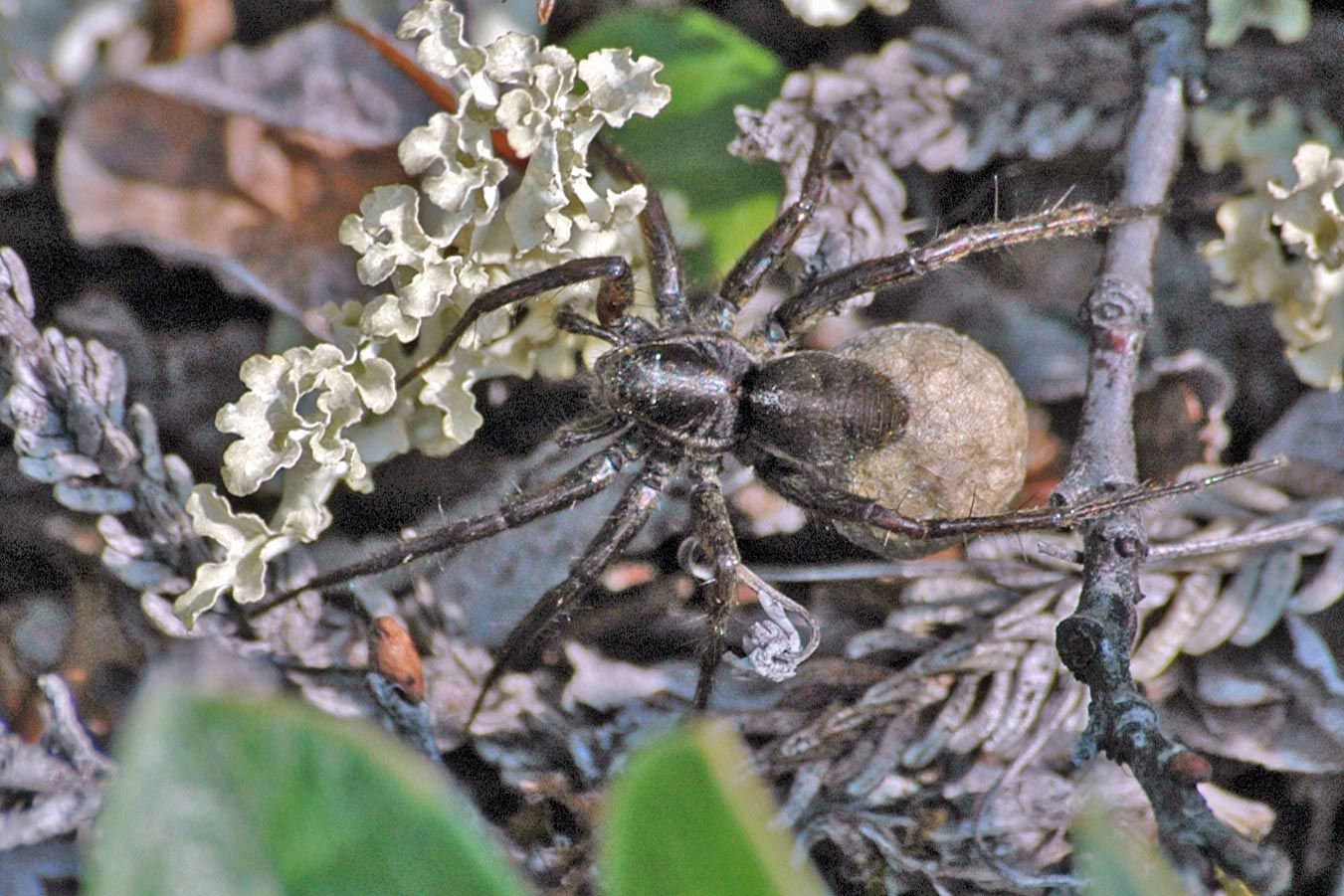
    Wolf Spider Pardosa glacialis
    The wolf spider Pardosa glacialis is extremely common in the Arctic tundra. If, in the future, it produces two generations of offspring during a season, these may have a significant effect on the prey on which the spider lives. Credit: Jörg U. Hammel

    The long time series tells the researchers that the earlier the snow disappears from the ground, the greater the proportion of spiders that can produce a second clutch of offspring.

    “These changes in the life history have not been seen earlier and evidence suggests that the phenomenon plays an important role for Arctic insects and spiders,” Toke T. Høye says.

    The researchers see the spiders’ response to climate change as an ability to adapt to the new conditions.

    Wolf spiders feed on small organisms such as springtails in the soil. If there are more spiders — or insects — in the future Arctic, it can have an influence on the food chains on land.

    “We can only speculate about how the ecosystems change, but we can now ascertain that changes in the reproduction of species are an important factor to include when we try to understand how Arctic ecosystems react to the rising temperatures on the planet,” Toke T. Høye says.

    Reference: “Earlier springs enable high-Arctic wolf spiders to produce a second clutch” by Toke T. Høye, Jean-Claude Kresse, Amanda M. Koltz and Joseph J. Bowden, 24 June 2020, Proceedings of the Royal Society B.
    DOI: 10.1098/rspb.2020.0982

    Never miss a breakthrough: Join the SciTechDaily newsletter.
    Follow us on Google and Google News.

    Aarhus University Arctic Climate Change Entomology Spiders
    Share. Facebook Twitter Pinterest LinkedIn Email Reddit

    Related Articles

    Emergence of Deadly Virus in Marine Mammals Linked to Melting Arctic Sea Ice

    Species Moving in Response to Climate Change, but Many Have Nowhere to Go

    Scientists Discover Why Climate Change Is Threatening Some British Butterflies

    Ants Fight Plant Diseases by Secreting Antibiotics – Potential for Use in Agriculture

    Spider Building Spider Decoys Discovered in Peruvian Amazon

    Daddy Longlegs With Leg Span of 12 Inches Discovered

    Trogloraptor Marchingtoni Is a New Species of Spiders Discovered in the Pacific Northwest

    European Cave Spiders Produce Extremely Stretchable Silk

    Adanson’s Jumping Spiders Hunt Using Unusual Depth Perception

    Leave A Reply Cancel Reply

    • Facebook
    • Twitter
    • Pinterest
    • YouTube

    Don't Miss a Discovery

    Subscribe for the Latest in Science & Tech!

    Trending News

    Largest-Ever Study Finds Medicinal Cannabis Ineffective for Anxiety, Depression, PTSD

    250-Million-Year-Old Egg Solves One of Evolution’s Biggest Mysteries

    Living With Roommates Might Be Changing Your Gut Microbiome Without You Knowing

    Century-Old Cleaning Chemical Linked to 500% Increased Risk of Parkinson’s Disease

    What if Your Memories Never Happened? Physicists Take a New Look at the Boltzmann Brain Paradox

    One of the Universe’s Largest Stars May Be Getting Ready To Explode

    Scientists Discover Enzyme That Could Supercharge Ozempic-Like Weight Loss Drugs

    Popular Sweetener Linked to DNA Damage – “It’s Something You Should Not Be Eating”

    Follow SciTechDaily
    • Facebook
    • Twitter
    • YouTube
    • Pinterest
    • Newsletter
    • RSS
    SciTech News
    • Biology News
    • Chemistry News
    • Earth News
    • Health News
    • Physics News
    • Science News
    • Space News
    • Technology News
    Recent Posts
    • Scientists Prove There Are Just Six Degrees of Separation in a Social Network
    • Bee Bacteria Could Fix a Major Flaw in Plant-Based Milk
    • Scientists Discover a Surprising Way To Make Bread Healthier and More Nutritious
    • Natural Compounds Boost Bone Implant Success While Killing Bacteria and Cancer Cells
    • After 60 Years, Scientists Uncover Unexpected Brain Effects of Popular Diabetes Drug Metformin
    Copyright © 1998 - 2026 SciTechDaily. All Rights Reserved.
    • Science News
    • About
    • Contact
    • Editorial Board
    • Privacy Policy
    • Terms of Use

    Type above and press Enter to search. Press Esc to cancel.