
Close Menu
    Facebook X (Twitter) Instagram
    SciTechDaily
    • Biology
    • Chemistry
    • Earth
    • Health
    • Physics
    • Science
    • Space
    • Technology
    Facebook X (Twitter) Pinterest YouTube RSS
    SciTechDaily
    Home»Biology»Yale Scientists Track the Development of the Embryo
    Biology

    Yale Scientists Track the Development of the Embryo

    By Bill Hathaway, Yale UniversityJanuary 2, 20171 Comment2 Mins Read
    Facebook Twitter Pinterest Telegram LinkedIn WhatsApp Email Reddit
    Share
    Facebook Twitter LinkedIn Pinterest Telegram Email Reddit
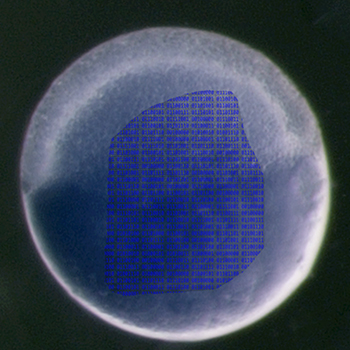
    Researchers Track the Development of the Embryo
    Researchers have discovered a way to track the precise bits of RNA that control the development of the embryo into trillions of specialized cells.

    Scientists at Yale University have discovered a way to track the precise bits of RNA that control the development of the embryo into trillions of specialized cells in a living animal.

    The new assay, tested on the genome of zebrafish, allows scientists to pinpoint the function of a myriad of signals activated after fertilization. “The problem we have is how to we interpret what the book of life is telling us,” said Yale geneticist Antonio Giraldez, senior author of the paper appearing December 26 in the journal Nature Methods. “What we have done is break apart these instructions so we can determine the meaning of individual words.”

    The assay has many potential applications, Giraldez said. For instance, in the first hour after fertilization, the incipient embryo receives all instructions from the mother, before it begins to activate its independent development. The new assay can identify specific elements of the genetic code that counteract instructions from the mother. The method can be used for other purposes, such as identifying bits of RNA that can activate cancer-causing genes.

    Reference: “RESA identifies mRNA-regulatory sequences at high resolution” by Valeria Yartseva, Carter M Takacs, Charles E Vejnar, Miler T Lee and Antonio J Giralde, 26 December 2016, Nature Methods.
    DOI: 10.1038/nmeth.4121

    Never miss a breakthrough: Join the SciTechDaily newsletter.
    Follow us on Google and Google News.

    Cell Biology Genetics RNA Yale University
    Share. Facebook Twitter Pinterest LinkedIn Email Reddit

    Related Articles

    Yale Scientists Recode Organisms to Resist Viral Contamination

    Study Shows Root of Birth Defects Grounded in Early Embryonic Development

    New Research Changes the View about the Genetics of Leukemia Risk

    New Genome Analysis Reveals Dozens of Cancer Triggers

    Researchers Identify Molecular Factors that Push the Domino of Life into Motion

    piRNAs Key Role in Coordinating Biological Activity

    Key Differences in Seemingly Synonymous Parts of the Genetic Code

    Atomic Level Splicing Further Establishes RNA’s Chemical and Structural Complexity

    Researchers Study Regulatory Gene’s Role in Sperm Quality Control

    1 Comment

    1. Madanagopal.V.C. on January 17, 2017 4:05 am

      For instance, in the first hour after fertilization, the incipient embryo receives all instructions from the mother, before it begins to activate its independent development. ……But what about in vitro fertilization where mother’s instructions may not be received in the first hour of fertrilization?
      Or is it from the x chromosome of the mother the instructions are embeddede?
      Thank You.

      Reply
    Leave A Reply Cancel Reply

    • Facebook
    • Twitter
    • Pinterest
    • YouTube

    Don't Miss a Discovery

    Subscribe for the Latest in Science & Tech!

    Trending News

    Scientists Discover Gut Signal That Turns Off Sugar Cravings

    Scientists Discover Rogue Gene That Could Unlock New Cancer Treatments

    Constantly Tired? Scientists Say These Vitamin Deficiencies May Be Why

    A Surprising Discovery Inside Fish Could Change What We Know About the Ocean

    Scientists May Have Finally Solved the Mystery of the Strange Hum Heard Around the World

    A Cannibal Star Finally Solves One of Astronomy’s Biggest Mysteries

    Scientists Finally Uncover How a “Forever Chemical” Causes Birth Defects

    Scientists Uncover the Earliest Brain Changes That May Predict Alzheimer’s Decades Before Symptoms

    Follow SciTechDaily
    • Facebook
    • Twitter
    • YouTube
    • Pinterest
    • Newsletter
    • RSS
    SciTech News
    • Biology News
    • Chemistry News
    • Earth News
    • Health News
    • Physics News
    • Science News
    • Space News
    • Technology News
    Recent Posts
    • The Laser That Once Filled a Lab Now Fits on a Tiny Chip
    • Scientists Recreate a Nuclear Fireball and Uncover Fallout’s Hidden Chemistry
    • The Next Computing Revolution May Come From Stacking Chips Like Skyscrapers
    • These Tiny Gut Particles Could Be Accelerating Aging Throughout the Body
    • Cancer’s “Undruggable” Protein Has a Dangerous New Superpower
    Copyright © 1998 - 2026 SciTechDaily. All Rights Reserved.
    • Science News
    • About
    • Contact
    • Editorial Board
    • Privacy Policy
    • Terms of Use

    Type above and press Enter to search. Press Esc to cancel.