
Close Menu
    Facebook X (Twitter) Instagram
    SciTechDaily
    • Biology
    • Chemistry
    • Earth
    • Health
    • Physics
    • Science
    • Space
    • Technology
    Facebook X (Twitter) Pinterest YouTube RSS
    SciTechDaily
    Home»Health»Yale Study Identifies Safety Concerns for 1 in 3 FDA-Approved Drugs
    Health

    Yale Study Identifies Safety Concerns for 1 in 3 FDA-Approved Drugs

    By Ziba Kashef, Yale universityMay 11, 20171 Comment3 Mins Read
    Facebook Twitter Pinterest Telegram LinkedIn WhatsApp Email Reddit
    Share
    Facebook Twitter LinkedIn Pinterest Telegram Email Reddit
    Safety Concerns Identified for 1 in 3 FDA-Approved Drugs
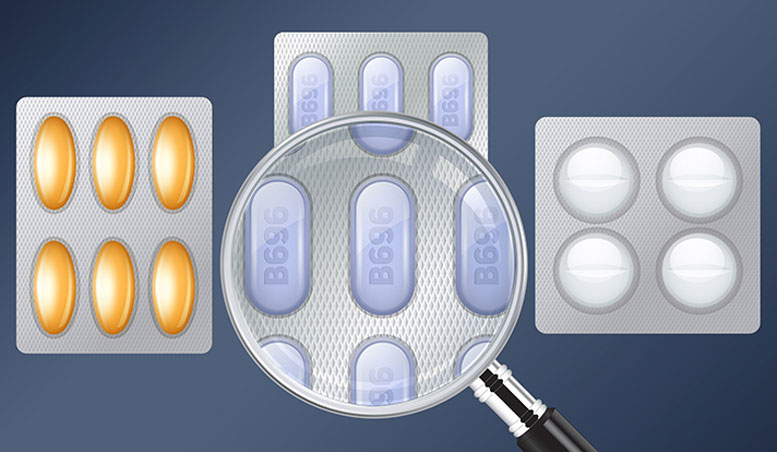
    1 in 3 FDA-approved drugs have new safety issues detected after approval, says a Yale-led study. Ongoing surveillance in the post-market period is necessary to address the concerns, although most issues don’t require drug withdrawal.

    A new study led by Yale University reveals that nearly one out of every three drugs approved by the Food and Drug Administration (FDA) have a new safety issue detected in the years after approval. While most of the safety concerns are not serious enough to require withdrawal of a drug from the market, the finding highlights the need for ongoing surveillance of new drugs in the post-market period.

    The findings were published May 9 in the Journal of the American Medical Association(JAMA).

    To assess new drugs for safety and effectiveness, the FDA relies on premarket drug testing and clinical trials. Most of the trials involve fewer than 1,000 patients studied over a period of six months or less, making it difficult to detect safety issues that might be identified once more patients use the drug over a longer time period. To identify factors that might enhance patient safety and regulatory surveillance efforts, the Yale-led team analyzed data on new drugs approved between 2001 and 2010, with follow up through 2017.

    The research team, led by associate professor of medicine and public health Dr. Joseph Ross, found that 32% of new drugs were flagged for a safety issue after approval. “That is very rarely a drug withdrawal, but more commonly a black box warning, or drug safety communication issued by the FDA to let physicians and patients know that new safety information has been determined,” said Ross.

    The researchers also identified characteristics of drugs that were more likely to be associated with a safety concern, including biologic therapies and drugs that were approved through the FDA’s accelerated approval pathway.

    While the study results point to the need for ongoing monitoring of newly approved drugs, they also demonstrate that the FDA’s current process is working. “The fact that the FDA is issuing safety communications means it is doing a good job of following newly approved drugs and evaluating their safety up in the post-market period,” Ross noted.

    At a time when the FDA is under pressure to accelerate drug approvals, the study findings provide key information about the agency’s process. “It shows that there is the potential for compromising patient safety when drug evaluation is persistently sped up,” said Ross. At the very least, the study should inform ongoing debate about premarket drug evaluation, the researchers said.

    Other authors on the study are Nicholas Downing, Nilay Shah, Jenerius Aminawung, Alison Pease, Jean-David Zeitoun, and Harlan Krumholz. All authors have completed the ICMJE Form for Disclosure of Potential Conflicts of Interest, which are detailed in the study.

    There was no funding for this research.

    Reference: “Postmarket Safety Events Among Novel Therapeutics Approved by the US Food and Drug Administration Between 2001 and 2010” by Nicholas S. Downing, MD; Nilay D. Shah, Ph.D.; Jenerius A. Aminawung, MD, MPH; Alison M. Pease, BS; Jean-David Zeitoun, MD, MHPM; Harlan M. Krumholz, MD, SM and Joseph S. Ross, MD, MHS; 9 May 2017, JAMA.
    DOI: 10.1001/jama.2017.5150

    Never miss a breakthrough: Join the SciTechDaily newsletter.
    Follow us on Google and Google News.

    FDA Medicine Yale University
    Share. Facebook Twitter Pinterest LinkedIn Email Reddit

    Related Articles

    Scientists Identify Link between Inflammation and Type 2 Diabetes

    Potential Over-Treatment of Diabetes in Older Adults

    Researchers May Have Pinpointed a Strategy for Eliminating Latent HIV

    Yale Study Shows Metformin May be Safe for Patients with Kidney Disease

    Antifreeze Protein in Ticks Could Lead to New Antibiotics for Humans

    Study Finds Stimulant Use Increases by 30% During the School Year

    Yale Researchers Discover New Cancer Cell Vulnerability

    Yale Study Shows No Link between Hospital Readmissions and Death Rates

    Intensive Glycemic Control Does Not Definitively Reduce the Risk of Impaired Kidney Function

    1 Comment

    1. Paul Dymerski on May 11, 2017 1:17 pm

      I do not see the inference that there is a potential for compromising patient safety when drug evaluation is persistently sped up. It is more likely an issue of broader patient selection during Phase III. The FDA policy to manage side effects when they are uncovered is a practical policy. While a zero tolerance policy for side effects is a worthwhile goal, we are just not there yet with the science.

      Reply
    Leave A Reply Cancel Reply

    • Facebook
    • Twitter
    • Pinterest
    • YouTube

    Don't Miss a Discovery

    Subscribe for the Latest in Science & Tech!

    Trending News

    Scientists Discover Game-Changing New Way To Treat High Cholesterol

    This Small Change to Your Exercise Routine Could Be the Secret to Living Longer

    Scientists Discover 430,000-Year-Old Wooden Tools, Rewriting Human History

    AI Could Detect Early Signs of Alzheimer’s in Under a Minute – Far Before Traditional Tests

    What if Dark Matter Has Two Forms? Bold New Hypothesis Could Explain a Cosmic Mystery

    This Metal Melts in Your Hand – and Scientists Just Discovered Something Strange

    Beef vs. Chicken: Surprising Results From New Prediabetes Study

    Alzheimer’s Breakthrough: Scientists Discover Key Protein May Prevent Toxic Protein Clumps in the Brain

    Follow SciTechDaily
    • Facebook
    • Twitter
    • YouTube
    • Pinterest
    • Newsletter
    • RSS
    SciTech News
    • Biology News
    • Chemistry News
    • Earth News
    • Health News
    • Physics News
    • Science News
    • Space News
    • Technology News
    Recent Posts
    • Revolutionary Imaging Technique Unlocks Secrets of Matter at Extreme Speeds
    • Where Does Mass Come From? Scientists Find Evidence of a New Exotic Nuclear State
    • Quantum Breakthrough: Unhackable Keys Sent Over 120 km Using Quantum Dots
    • Researchers Discover Unknown Beetle Species Just Steps From Their Lab
    • Jellyfish Caught Feasting on Exploding Sea Worms for the First Time
    Copyright © 1998 - 2026 SciTechDaily. All Rights Reserved.
    • Science News
    • About
    • Contact
    • Editorial Board
    • Privacy Policy
    • Terms of Use

    Type above and press Enter to search. Press Esc to cancel.