
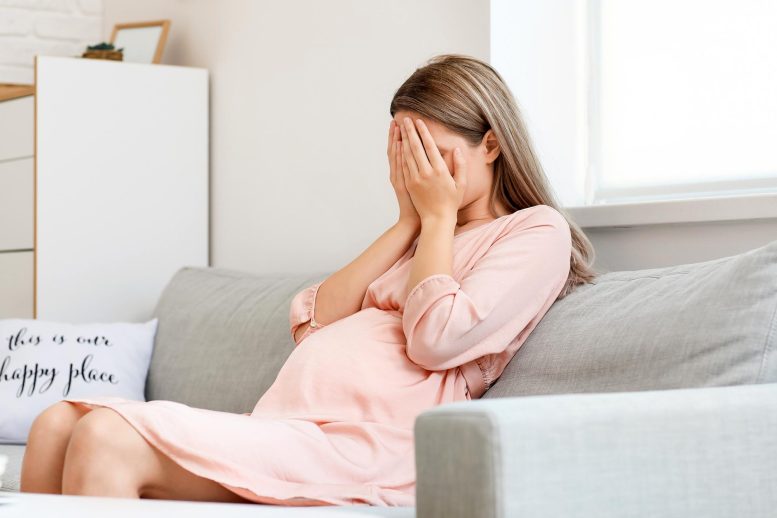
According to recent research, the risk of miscarriage rose by 44% in North America in late August compared to late February, highlighting the need to investigate any connections between intense heat and pregnancy loss.
Miscarriage, which is defined as pregnancy loss before 20 weeks of pregnancy, may occur in up to 30% of pregnancies. Unknown risk factors for these pregnancy losses, which may result in posttraumatic stress disorder, depression, and anxiety, account for up to half of miscarriages.
Researchers from the Boston University School of Public Health (BUSPH) have recently discovered that the chance of miscarriage may rise over the summer.
The study, which was published in the journal Epidemiology, looked into seasonal variations in miscarriage risk. It found that, in North America, pregnant women had a 44 percent higher risk of an early miscarriage (within eight weeks of pregnancy) in the summer months—particularly in late August—than they did in February, six months earlier.
When compared to late February, the risk of miscarriage at any week of pregnancy increased by 31% in late August. Geographically, the findings indicated that this loss was more likely to occur in late August and early September among pregnant women living in the South and Midwest, where summers are the warmest.
Heat and Pregnancy Loss
The findings imply that further study is required to fully comprehend the possible contributions of severe heat and other hot-weather environmental or lifestyle exposures to unexpected pregnancy loss.
“Any time you see seasonal variation in an outcome, it can give you hints about causes of that outcome,” says study lead and corresponding author Dr. Amelia Wesselink, research assistant professor of epidemiology at BUSPH. “We found that miscarriage risk, particularly risk of ‘early’ miscarriage before eight weeks of gestation, was highest in the summer. Now we need to dig into that more to understand what kinds of exposures are more prevalent in the summer, and which of these exposures could explain the increased risk of miscarriage.”
For the study, Wesselink and colleagues analyzed survey data on pregnancy loss among pregnancy planners in the BUSPH-based Pregnancy Study Online (PRESTO), an ongoing NIH-funded study since 2013 that enrolls women trying to conceive and follows them from preconception through six months after delivery.
All PRESTO participants provide baseline information on sociodemographics, lifestyle, and medical histories, and for this study, the researchers focused on 6,104 participants who conceived within 12 months of enrolling. They provided information about pregnancy loss of any kind, the date of loss, and the weeks of gestation at the time of the loss.
Addressing the Knowledge Gap
The findings begin to fill a gap in information on seasonal patterns in miscarriage. Previous studies have relied on clinical or fertility data, both of which likely overlook miscarriages that occur early in gestation (and thus, outside of the hospital) and among couples not experiencing fertility challenges.
One hypothesis is that the summer rise in miscarriage risk is driven by exposure to heat. “Few studies have examined the association between heat and miscarriage risk, so this is definitely a topic that warrants further exploration,” says Wesselink. However, the researchers argue that clinicians, policymakers, and climate experts can already take action to mitigate the potential risks associated with heat exposure during pregnancy.
“We know that heat is associated with a higher risk of other pregnancy outcomes, such as preterm delivery, low birth weight, and stillbirth, in particular,” Wesselink says. “Medical guidance and public health messaging—including heat action plans and climate adaptation policies—need to consider the potential effects of heat on the health of pregnant people and their babies.”
Reference: “A Prospective Cohort Study of Seasonal Variation in Spontaneous Abortion” by Amelia K. Wesselink, Lauren A. Wise, Elizabeth E. Hatch, Ellen M. Mikkelsen, David A. Savitz, Kipruto Kirwa and Kenneth J. Rothman, May 2022, Epidemiology.
DOI: 10.1097/EDE.0000000000001474
Never miss a breakthrough: Join the SciTechDaily newsletter.
Follow us on Google and Google News.
1 Comment
Heat? That’s ridiculous! No different than other hot years. The real issue that you fail time and again to look at is mRNA vaccination. It’s like you can’t fathom that the vaccine is not safe. Get a grip on reality.