
Close Menu
    Facebook X (Twitter) Instagram
    SciTechDaily
    • Biology
    • Chemistry
    • Earth
    • Health
    • Physics
    • Science
    • Space
    • Technology
    Facebook X (Twitter) Pinterest YouTube RSS
    SciTechDaily
    Home»Science»Your Pet’s Flea Medicine Could Be Destroying the Planet
    Science

    Your Pet’s Flea Medicine Could Be Destroying the Planet

    By Oxford University Press USAJanuary 22, 2026No Comments3 Mins Read
    Facebook Twitter Pinterest Telegram LinkedIn WhatsApp Email Reddit
    Share
    Facebook Twitter LinkedIn Pinterest Telegram Email Reddit
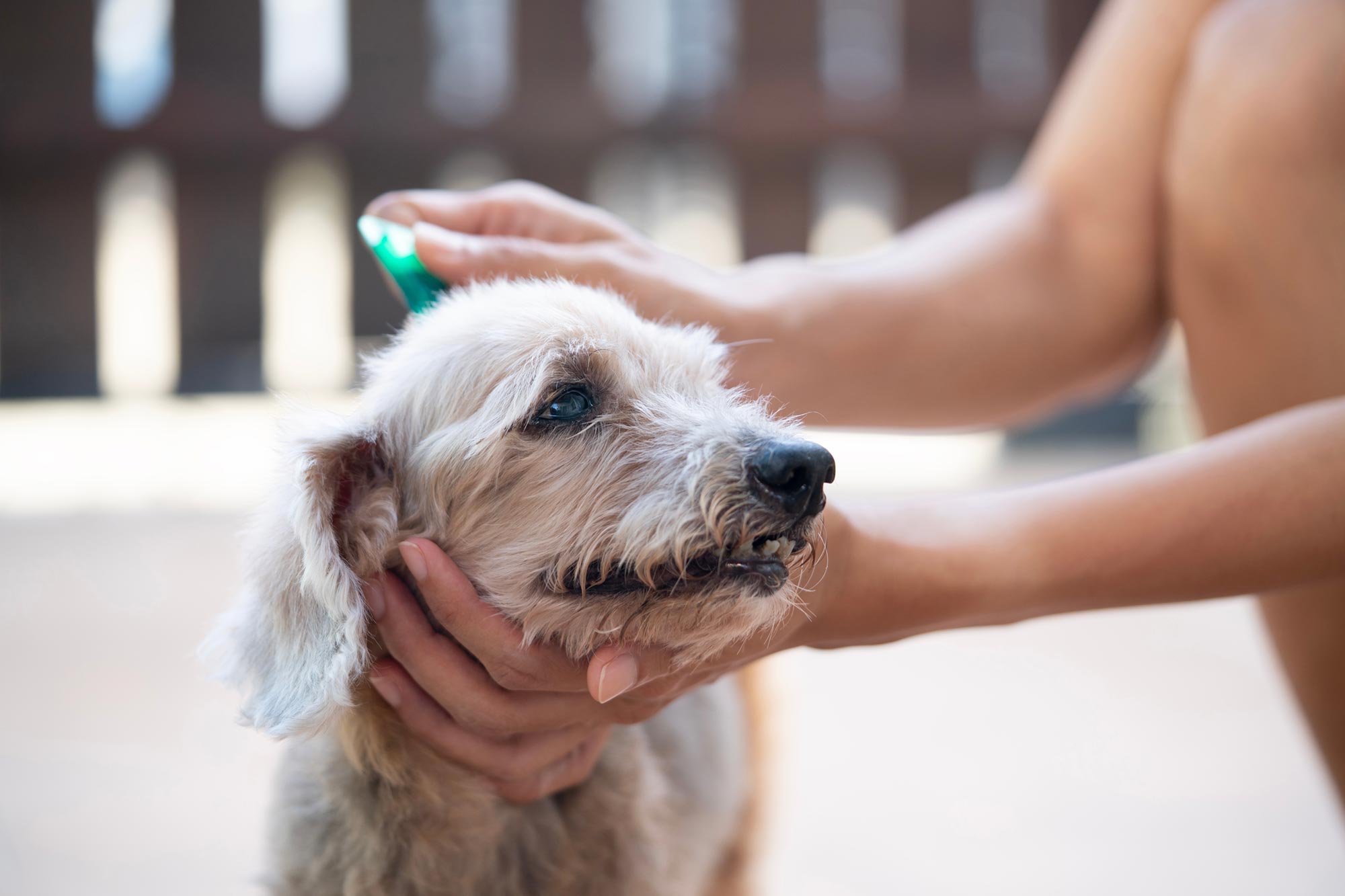
    Applying Tick Flea Prevention Treatment Medicine Pet Dog
    Research is drawing attention to an unexpected route by which modern veterinary medicines may interact with surrounding ecosystems. Evidence suggests that compounds designed to protect pets could remain biologically active after use, potentially intersecting with insects that support essential ecological processes. Credit: Shutterstock

    A popular class of flea and tick drugs for pets may be affecting insects in the wild.

    A newly published study in Environmental Toxicology and Chemistry suggests that widely used flea and tick treatments for pets may have unintended effects beyond household animals. According to the research, these medications could enter natural environments and pose risks to insects that play critical roles in ecosystems.

    The study focuses on isoxazoline antiparasitic drugs, a relatively recent class of treatments prescribed by veterinarians around the world to control fleas and ticks in dogs and cats. Introduced in 2013, these medications quickly gained widespread use because they were the first oral treatments capable of protecting pets from both parasites for a month or longer. After treatment, animals pass the active compounds out of their bodies primarily through feces.

    Environmental Concerns and Non-Target Species

    Regulatory authorities have already raised concerns about what happens to these substances after use. The European Medicines Agency has warned that veterinary parasiticides may enter soil and water systems, although detailed information about how much is released into the environment is still limited. Scientists are particularly focused on how these chemicals might affect organisms that are not meant to be exposed to them.

    Isoxazoline drugs are formulated to kill fleas and ticks by targeting their nervous systems. However, the same biological mechanisms can affect other insects if they come into contact with the compounds after excretion. Research increasingly shows that treated pets can introduce these chemicals into outdoor spaces not only through feces, but also through urine and shed hair.

    Dung feeding insects are considered especially vulnerable. Species such as flies, dung beetles, and some butterflies are essential for breaking down waste, enriching soil, and helping control pests. When these insects consume feces from treated dogs or cats, they may ingest active drug residues. Scientists note that disruptions to these insect populations could ripple through food webs and reduce the natural processes that keep ecosystems functioning.

    Studying Drug Elimination in Pets

    French researchers here studied 20 dogs and 20 cats owned by veterinary students and treated with isoxazoline antiparasitic drugs over a three-month period. The investigators collected feces samples from the pets to determine the potential exposure of dung-feeding insects may have to the toxic chemicals.

    This study examined isoxazoline fecal elimination in dogs and cats. The researchers detected two of the four active substances in isoxazoline antiparasitic drugs in pet feces after the end of the recommended treatment period. The environmental risk assessment indicated that dung-feeding insects could be highly exposed to isoxazoline parasiticides due to pet medication, with potentially disastrous consequences for environmental lifecycles.

    Reference: “Prolonged fecal elimination of isoxazoline antiparasitic drugs in dogs and cats: is there a risk for nontarget species?” by Philippe J Berny, Bernadette España, Julie Auré and Julia Cado, 14 January 2026, Environmental Toxicology and Chemistry.
    DOI: 10.1093/etojnl/vgaf285

    Never miss a breakthrough: Join the SciTechDaily newsletter.
    Follow us on Google and Google News.

    Ecology Environment Insect Veterinary
    Share. Facebook Twitter Pinterest LinkedIn Email Reddit

    Related Articles

    New Species: First Primate Relatives Discovered in the High Arctic of Ancient Canada

    Remote Community in Ireland Survived a Millennium of Environmental Change

    Invasive Insects Will Kill 1.4 Million US Street Trees Over the Next 30 Years, Costing Over $900 Million

    Student’s Invention Enables Researchers To Easily Track Elusive Insects

    When a Massive Wildfire Tears Through a Landscape, What Happens to the Wildlife?

    Prolonged Exposure to Weedkiller Roundup Can Cause Significant Harm to Keystone Species

    Herbicide Overuse Costs UK Economy £400 Million per Year

    Deepwater Horizon Disaster Payout Announced by US Justice Department

    Experimental Validation on How Populations Collapse

    Leave A Reply Cancel Reply

    • Facebook
    • Twitter
    • Pinterest
    • YouTube

    Don't Miss a Discovery

    Subscribe for the Latest in Science & Tech!

    Trending News

    Largest-Ever Study Finds Medicinal Cannabis Ineffective for Anxiety, Depression, PTSD

    250-Million-Year-Old Egg Solves One of Evolution’s Biggest Mysteries

    Living With Roommates Might Be Changing Your Gut Microbiome Without You Knowing

    Century-Old Cleaning Chemical Linked to 500% Increased Risk of Parkinson’s Disease

    What if Your Memories Never Happened? Physicists Take a New Look at the Boltzmann Brain Paradox

    One of the Universe’s Largest Stars May Be Getting Ready To Explode

    Scientists Discover Enzyme That Could Supercharge Ozempic-Like Weight Loss Drugs

    Popular Sweetener Linked to DNA Damage – “It’s Something You Should Not Be Eating”

    Follow SciTechDaily
    • Facebook
    • Twitter
    • YouTube
    • Pinterest
    • Newsletter
    • RSS
    SciTech News
    • Biology News
    • Chemistry News
    • Earth News
    • Health News
    • Physics News
    • Science News
    • Space News
    • Technology News
    Recent Posts
    • A Simpler Path to Super-Resolution: Scientists Reinvent Microscopy
    • Scientists Uncover Hidden Genetic Cause of Diabetes in Babies
    • Amazonian Chocolate Could Become the Next Superfood, Scientists Say
    • Challenging the Narrative: New Study Shows U.S. Life Expectancy Is Rising Across All States
    • Mystery Illness Kills 5 in Burundi As Doctors Scramble for Answers
    Copyright © 1998 - 2026 SciTechDaily. All Rights Reserved.
    • Science News
    • About
    • Contact
    • Editorial Board
    • Privacy Policy
    • Terms of Use

    Type above and press Enter to search. Press Esc to cancel.