
Close Menu
    Facebook X (Twitter) Instagram
    SciTechDaily
    • Biology
    • Chemistry
    • Earth
    • Health
    • Physics
    • Science
    • Space
    • Technology
    Facebook X (Twitter) Pinterest YouTube RSS
    SciTechDaily
    Home»Science»Remote Community in Ireland Survived a Millennium of Environmental Change
    Science

    Remote Community in Ireland Survived a Millennium of Environmental Change

    By PLOSMay 9, 2022No Comments2 Mins Read
    Facebook Twitter Pinterest Telegram LinkedIn WhatsApp Email Reddit
    Share
    Facebook Twitter LinkedIn Pinterest Telegram Email Reddit
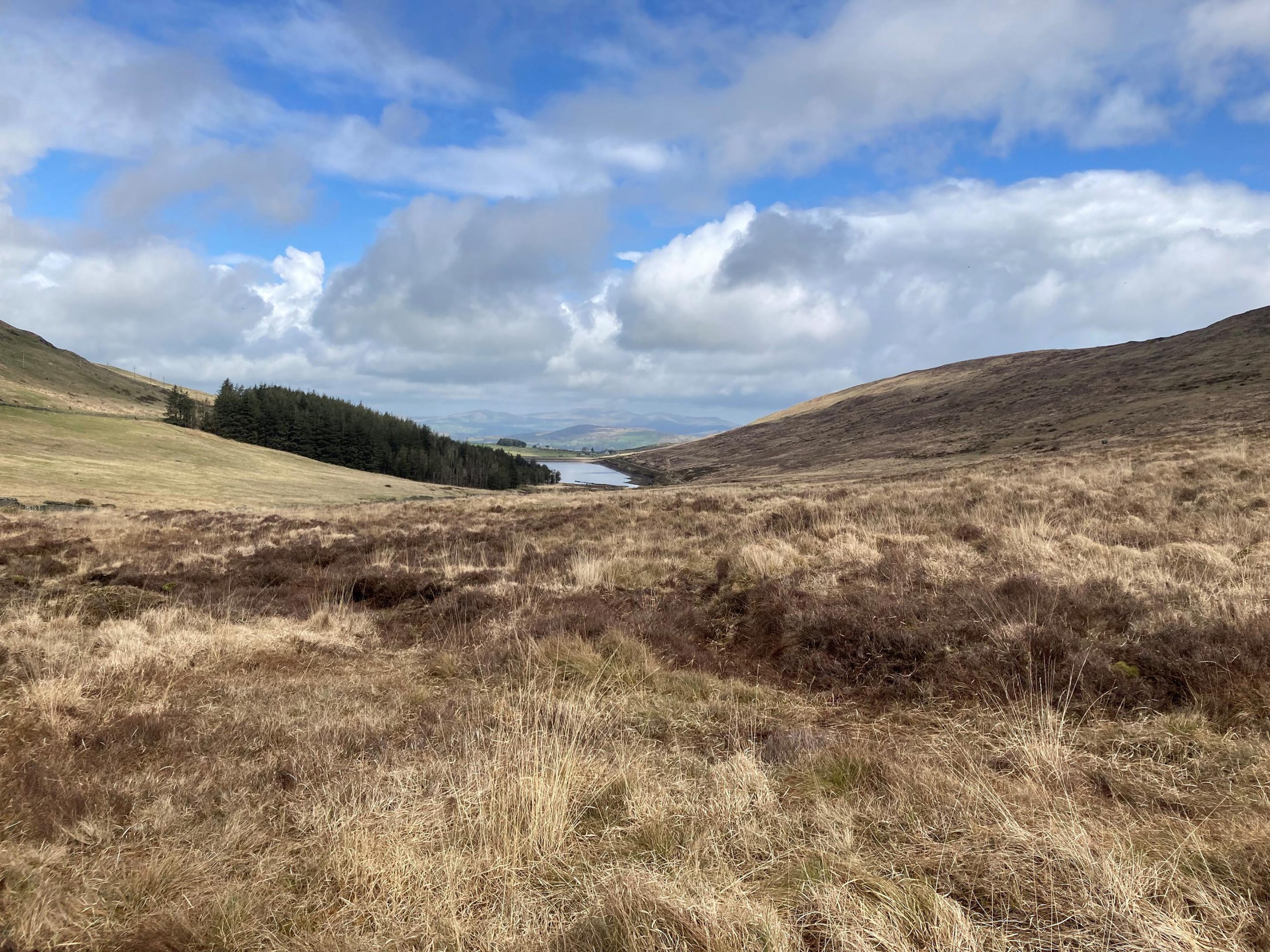
    Fofanny Reservoir
    The peat-covered uplands of the North of Ireland are today used mainly for commercial forestry, sheep-grazing and outdoor recreation, but were formerly wooded and farmed. Credit: Helen Essell, CC-BY 4.0

    Study finds social conditions key to long-term resilience during times of dramatic change.

    A remote community in Ireland was adaptable enough to persevere through a millennium of environmental change, according to a study that was published on April 27, 2022, in the open-access journal PLOS ONE by Gill Plunkett and Graeme Swindles of Queen’s University Belfast, Northern Ireland, U.K.

    There are numerous examples of past societies that have been severely impacted by environmental changes such as climate change, natural disasters, and other dramatic ecological shifts that have contributed to food crises, epidemics, and other calamities. However, it’s more difficult to determine long-term effects of environmental disturbances. The authors of this study look at environmental and community changes in the Antrim Plateau in the north of Ireland over a thousand years of occupation.

    This study analyzed a peat core recording environmental changes over the last millennium at a site called Slieveanorra. The authors used data from microbes, natural plants, and crop plants to infer environmental and human occupation changes, and they used ash layers, organic remains, and historical accounts to establish fine-scale dating. There was no evidence of long-term disruption to human occupation due to environmental changes in their record. 

    Resilience and Adaptability of the Community

    These results reflect a community that was able to either escape the effects of environmental change, or to rebound quickly. This surprising resilience from a relatively remote occupation was most likely the result of social factors – such as agricultural and trade practices – which made the community flexible and adaptable.

    In the face of environmental change, the authors suggest, not all human communities respond the same way, and this variation is largely linked to the social conditions of each respective population. Understanding this complexity is key to understanding what conditions make communities vulnerable to cultural collapse in the face of environmental change.

    The authors add: “Ireland’s uplands today seem barren, but they were occupied and farmed for centuries, despite climate change, famines, and plague.”

    Reference: “Bucking the trend: Population resilience in a marginal environment” by Gill Plunkett and Graeme T. Swindles, 27 April 2022, PLOS ONE.
    DOI: 10.1371/journal.pone.0266680

    Never miss a breakthrough: Join the SciTechDaily newsletter.
    Follow us on Google and Google News.

    Anthropology Climate Change Ecology Environment Paleoclimatology PLOS
    Share. Facebook Twitter Pinterest LinkedIn Email Reddit

    Related Articles

    Climate Change’s Harsh Impact on Ancient European Populations

    Awakening Ancient Dangers: Catastrophic Risks of “Time-Traveling” Pathogens From Melting Permafrost

    New Species: First Primate Relatives Discovered in the High Arctic of Ancient Canada

    How Prehistoric Humans Adapted to Intense Climate Change – Revealed by Marine Mollusk Shells

    Low Water Levels Could Shut Down Mississippi River Shipping Lanes

    Carbon Absorption by Plants Limited by the Abundance of Soil Nutrients

    Experimental Validation on How Populations Collapse

    Many Mammals in Western Hemisphere are Unlikely to Outrun Climate Change

    Coal-Tar-Based Sealants Emitting PAHs at Rates Possibly Greater Than Auto Emissions

    Leave A Reply Cancel Reply

    • Facebook
    • Twitter
    • Pinterest
    • YouTube

    Don't Miss a Discovery

    Subscribe for the Latest in Science & Tech!

    Trending News

    Scientists May Have Found the Key to Jupiter and Saturn’s Moon Mystery

    Scientists Uncover Brain Changes That Link Pain to Depression

    Saunas May Do More Than Raise Body Temperature – They Activate Your Immune System

    Exercise in a Pill? Metformin Shows Surprising Effects in Cancer Patients

    Hidden Oceans of Magma Could Be Protecting Alien Life

    New Study Challenges Alzheimer’s Theories: It’s Not Just About Plaques

    Artificial Sweeteners May Harm Future Generations, Study Suggests

    Splashdown! NASA Artemis II Returns From Record-Breaking Moon Mission

    Follow SciTechDaily
    • Facebook
    • Twitter
    • YouTube
    • Pinterest
    • Newsletter
    • RSS
    SciTech News
    • Biology News
    • Chemistry News
    • Earth News
    • Health News
    • Physics News
    • Science News
    • Space News
    • Technology News
    Recent Posts
    • This Small Change to Your Exercise Routine Could Be the Secret to Living Longer
    • Physicists Discover a Strange New Kind of One-Dimensional Particle
    • Scientists Discover Unexpected Climate Benefit Hidden in Forest Soils
    • The Grand Canyon’s “Swiss Cheese” Rocks Hold a Critical Secret
    • Scientists Discover 430,000-Year-Old Wooden Tools, Rewriting Human History
    Copyright © 1998 - 2026 SciTechDaily. All Rights Reserved.
    • Science News
    • About
    • Contact
    • Editorial Board
    • Privacy Policy
    • Terms of Use

    Type above and press Enter to search. Press Esc to cancel.