
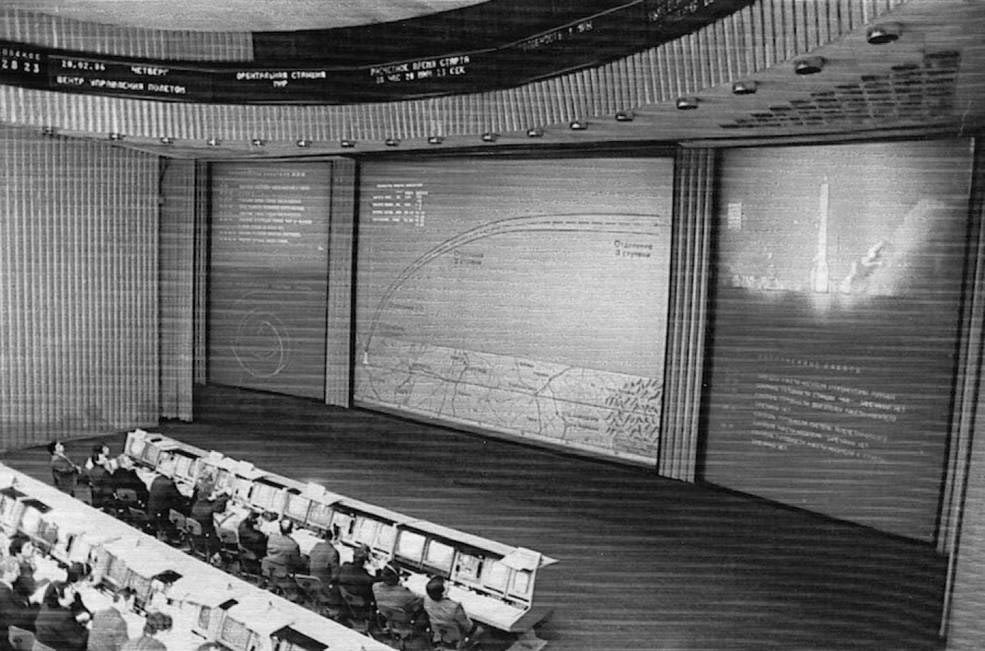
Mir was a trailblazing modular space station that hosted long-duration missions, including collaboration with the U.S. during the Shuttle-Mir program. It helped shape future space endeavors before being deorbited in 2001 over the Pacific.
On March 23, 2001, after 15 years in orbit, Russia’s space station Mir reentered over the Pacific Ocean following a controlled deorbit maneuver. Despite highly publicized incidents late in its orbital life, Mir secured its place in history as the first modular space station that enabled semi-permanent human habitation in low-Earth orbit.
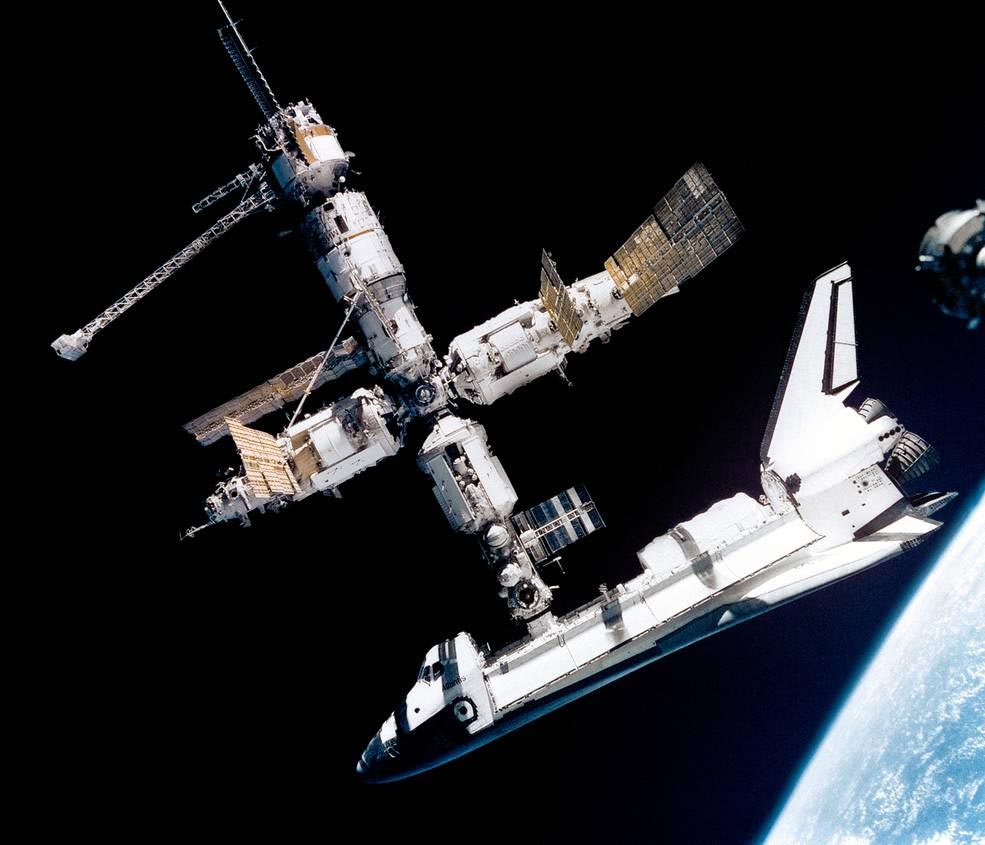
The destination for a generation of Russian cosmonauts, Mir, provided opportunities for astronauts from other countries and space agencies to conduct research for their national programs on a commercial basis. The Shuttle-Mir Program saw nine space shuttle missions dock with Mir, and seven American astronauts join their Russian colleagues on long-duration expeditions as the two nations learned to work together in preparation for building and operating the International Space Station (ISS).

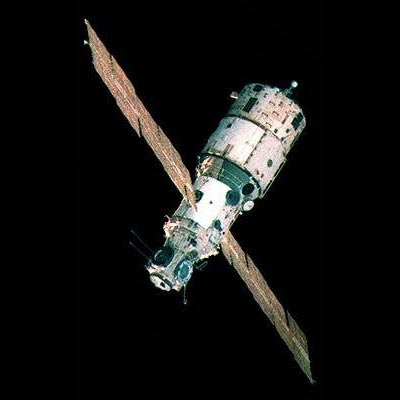
The Soviet Union approved the Mir space station program in 1976, its modular elements were based on hardware and technologies developed during the Salyut and Almaz space station programs of the 1970s. The most significant improvement involved adding a docking hub at the core module’s forward end that could accommodate the addition of four large research modules.
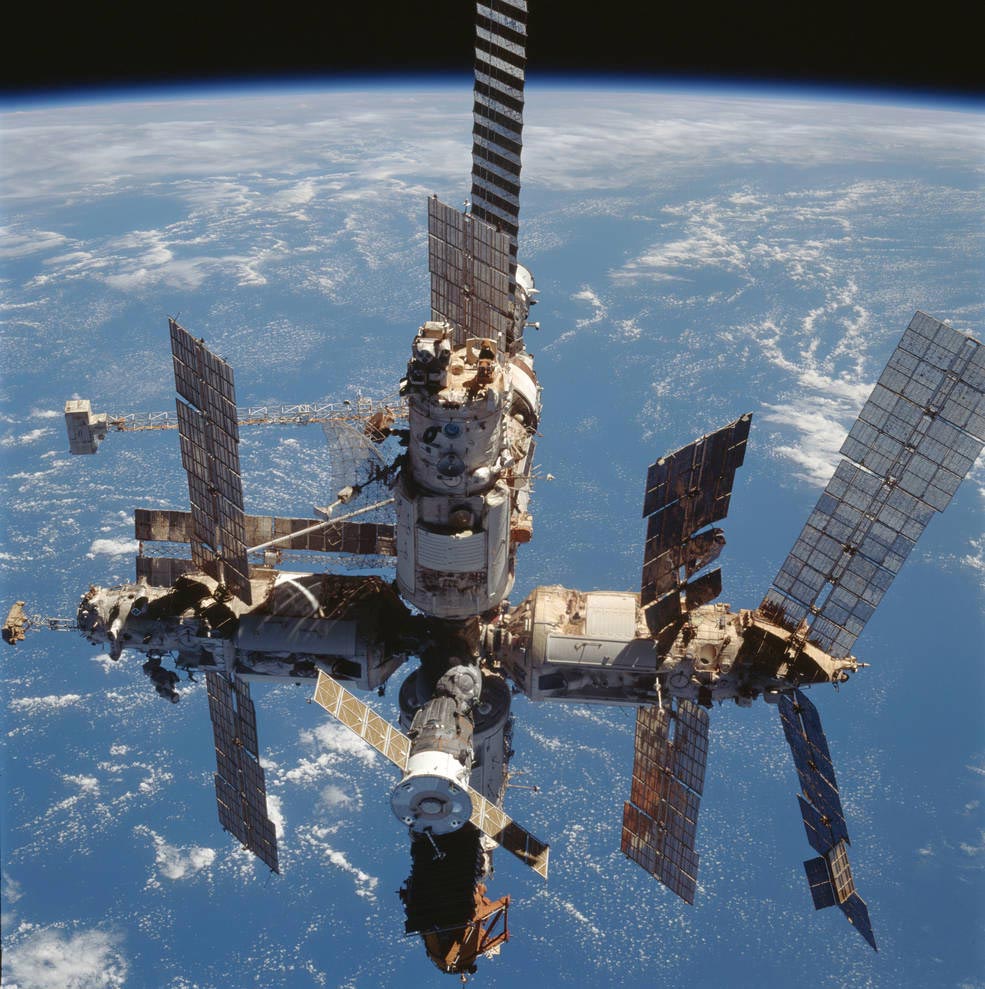
On February 19, 1986, the Soviet Union launched Mir’s first element, called the base block or core module, enabling crews to live aboard. Over the next several years, the Soviets added five research modules, including two partially outfitted with science equipment provided by the United States as part of the Shuttle-Mir Program, to expand its capabilities and habitable volume. The overall mass of the complex increased from 45,000 to 285,900 pounds (20,000 to 123,000 kilograms), and its habitable volume from 3,200 to 12,400 cubic feet (91 to 351 cubic meters), at the time the largest spacecraft in orbit.
During its 13 years of human occupancy, Mir hosted 104 cosmonauts and astronauts from 13 countries and space agencies.
The first crew to occupy Mir, Leonid D. Kizim and Vladimir A. Solovev, launched on March 13, 1986. During their 125-day mission, they not only began commissioning the new station but also spent 50 days at the older Salyut-7 space station, conducting experiments and bringing 880 pounds of equipment, including a guitar, back to Mir.
By the time Sergei V. Zalyotin and Aleksandr Y. Kaleri, the 28th and final main expedition crew, departed the station on June 16, 2000, Mir accumulated an impressive series of accomplishments. Among these were the three longest space missions to date, extending the spaceflight record first to 326 days, then to 366 days, and finally to 438 days, a record that stands to this day.
Mir hosted nine international astronauts as part of long-duration missions, including seven Americans as part of the Shuttle-Mir program and numerous short-term visitors, including the crews of nine space shuttle missions. Of the Mir visitors, 42 went on to fly on the ISS, bringing their previous experience to bear on the assembly and operations of the new facility.
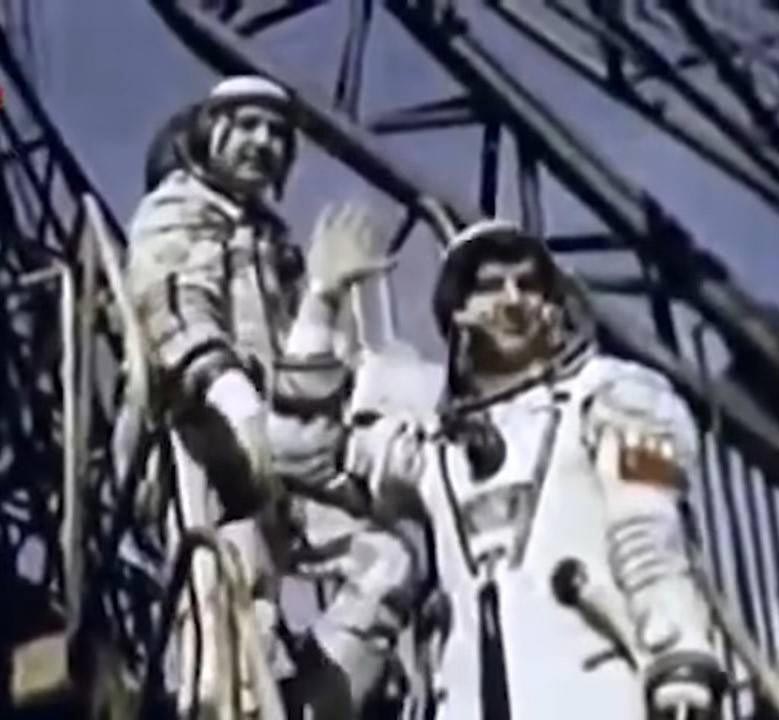
Mir’s controlled deorbit and reentry followed a carefully planned stepwise approach. On October 19, 2000, Progress M43 arrived at Mir and used its engines to boost the station to a higher orbit, allowing for a controlled deorbit early the following year.
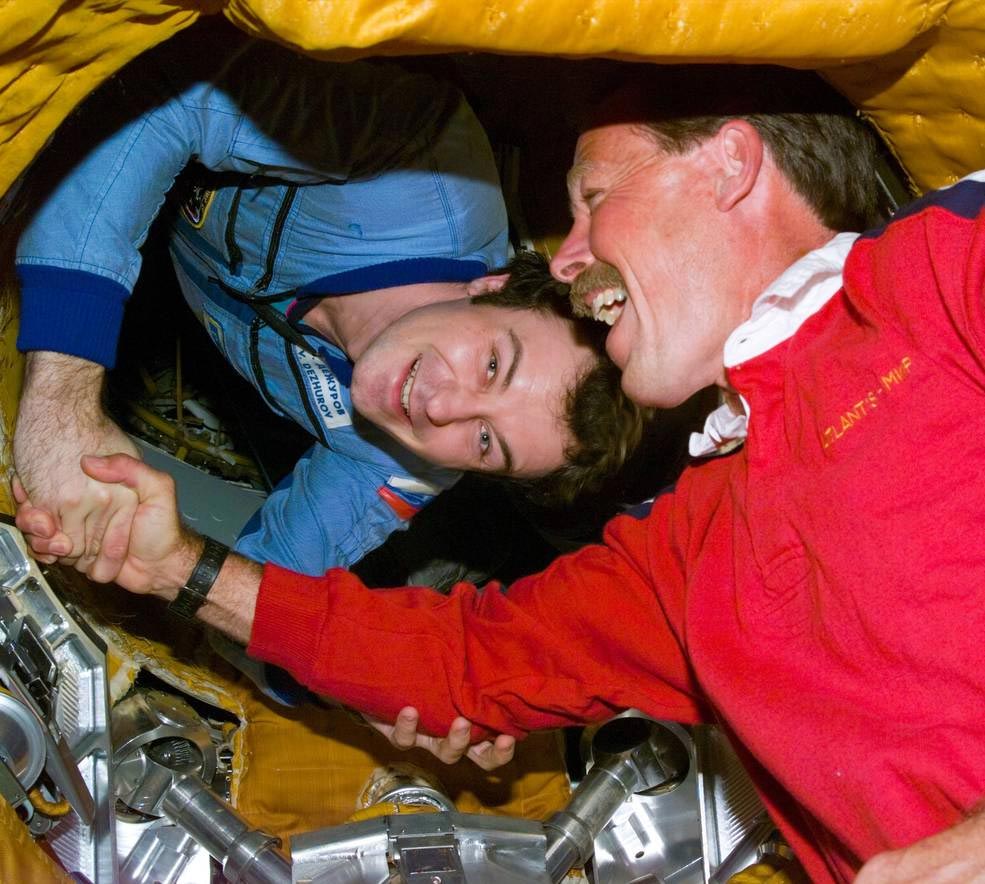
Progress M1-5 arrived on January 27, 2001, carrying 5,900 pounds (2,700 kilograms) of propellant for the deorbit burns. Through February, Mir lost orbital altitude at a somewhat unpredictable rate of 200 to 650 meters (660 to 2,100 feet) per day, the uncertainty caused by variability in solar heating of the Earth’s upper atmosphere. On February 19, the space station celebrated 15 years of in-orbit operations.
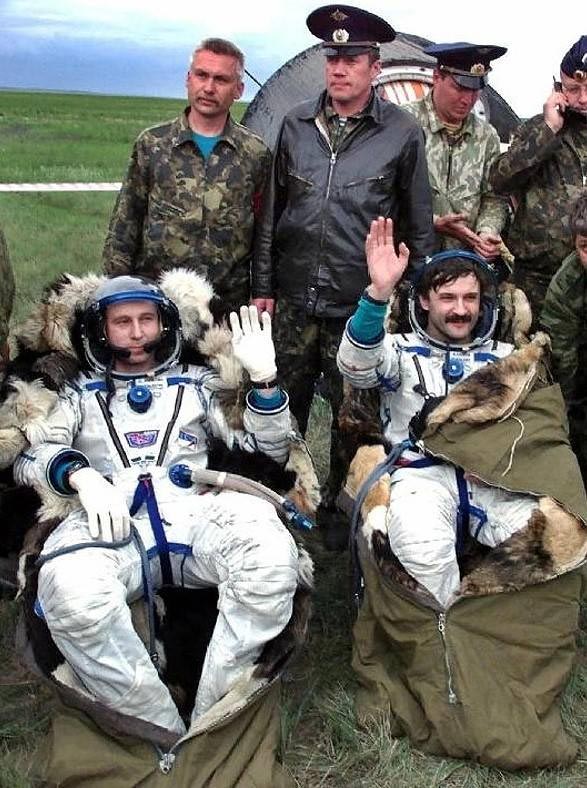
By March 1, its altitude had dropped to 164 miles (264 kilometers), and the rate of descent increased to one mile (1.6 kilometers) per day. In the early morning hours, Moscow time, of March 23, Progress M1-5 fired its eight docking and attitude control thrusters, generating a total thrust of 220 pounds (100 kilograms), for nearly 22 minutes. This changed Mir’s orbital altitude to 136 by 117 miles (219 by 188 kilometers). One orbit later, a second burn lasting 24 minutes dropped the low point of Mir’s orbit to 98 miles (158 kilometers). Mir then completed two more orbits around the Earth before the final burn using the Progress’ thrusters and its main rendezvous engine for a total of 660 pounds of thrust. Controllers allowed the engines to burn to fuel depletion as Mir passed out of radio contact with the ground.
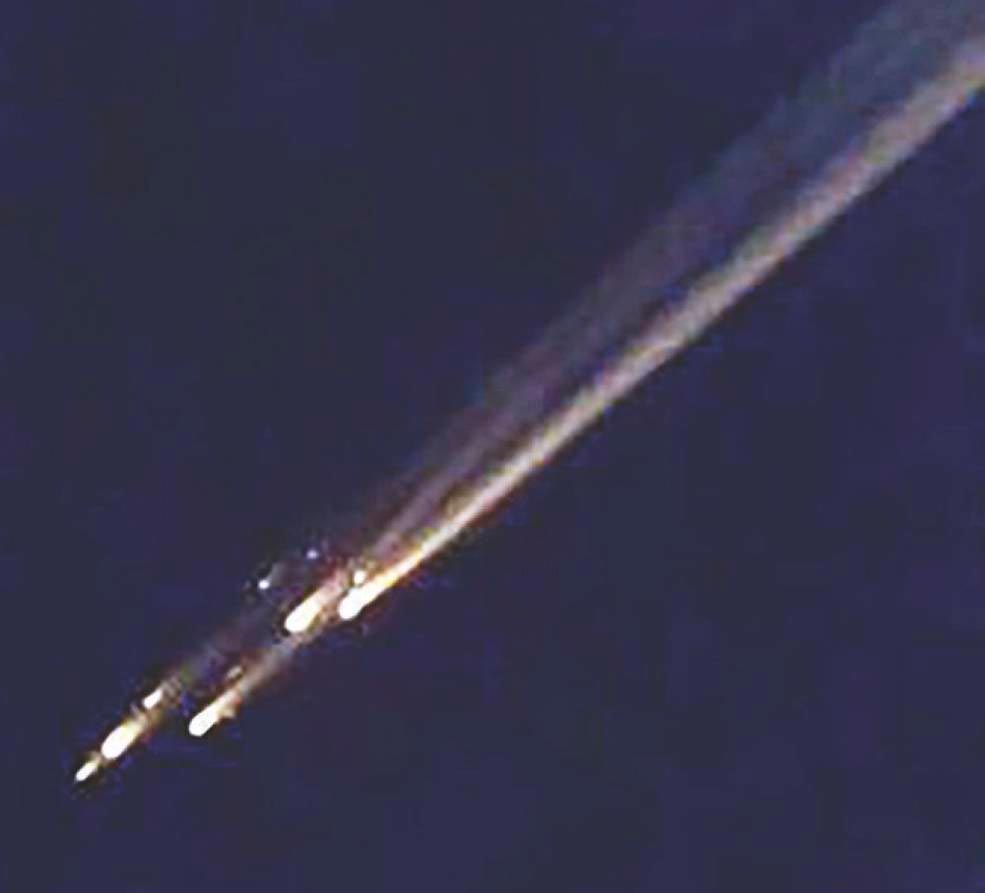
Mir entered the Earth’s atmosphere at an altitude of about 62 miles (100 kilometers) and began to disintegrate at about 50 miles (80 kilometers). Debris impacted the south Pacific east of New Zealand. Among those present to observe Mir’s reentry from the island nation of Fiji were Mir designer Leonid A. Gorshkov and cosmonauts Sergei V. Avdeyev, Yelena Y. Kondakova, Musa K. Manarov, and Vladimir G. Titov, all of whom spent at least six months aboard Mir.
Also, monitoring and controlling Mir’s deorbit and reentry were the operators in the Russian flight control center (TsUP is the Russian acronym) located in the Moscow suburb of Korolev. Their professionalism in carrying out the task must have been mixed with strong emotions as they watched the end of the space station on which many had devoted their entire careers, working in the TsUP for all of the base block’s 86,331 orbits around the Earth as it traveled 2.2 billion miles (3.5 billion kilometers). The workers took solace that the ISS was in its earliest stages of assembly, and many of the lessons learned from Mir, including how to deorbit such a large spacecraft, would be passed on to the new program.
Never miss a breakthrough: Join the SciTechDaily newsletter.
Follow us on Google and Google News.