
Close Menu
    Facebook X (Twitter) Instagram
    SciTechDaily
    • Biology
    • Chemistry
    • Earth
    • Health
    • Physics
    • Science
    • Space
    • Technology
    Facebook X (Twitter) Pinterest YouTube RSS
    SciTechDaily
    Home»Biology»Alarming Discovery: Freshwater Methamphetamine Pollution Turns Brown Trout Into Addicts
    Biology

    Alarming Discovery: Freshwater Methamphetamine Pollution Turns Brown Trout Into Addicts

    By The Company of BiologistsJuly 6, 2021No Comments3 Mins Read
    Facebook Twitter Pinterest Telegram LinkedIn WhatsApp Email Reddit
    Share
    Facebook Twitter LinkedIn Pinterest Telegram Email Reddit
    Brown Trout
    Brown Trout

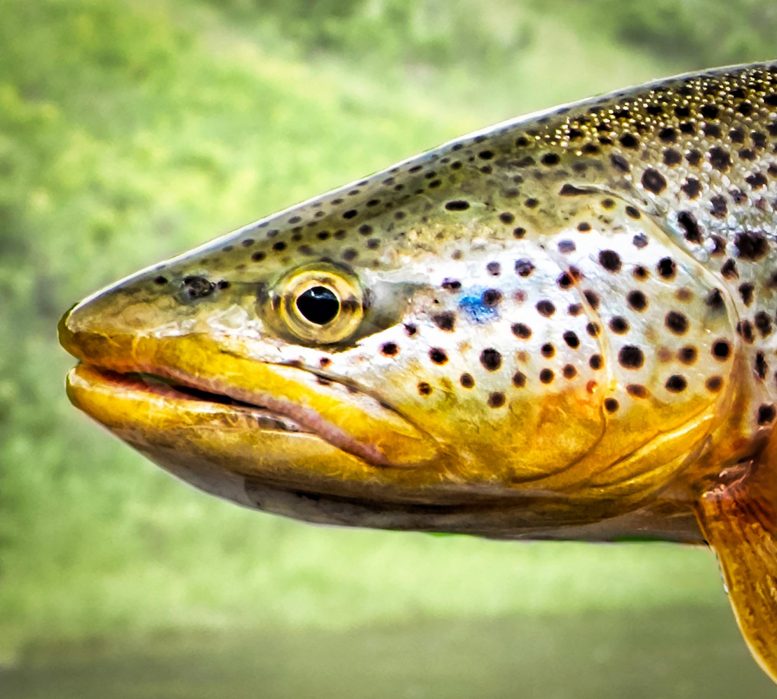
    Trout exposed to environmental levels of methamphetamine showed signs of addiction and withdrawal, favoring drug-laced water over clean water and displaying altered behavior.

    Human pollution is often evident from oil slicks and plastic drifting on shore, but many of the drugs that we consume also end up washing out into our water and current effluent treatment isn’t equipped to deal with them. Drugs such as fluoxetine — also known as Prozac — creeping into our waterways can embolden fish and alter their behavior, but pharmaceutical pollution doesn’t end with prescribed medication. Illegal drugs, such as methamphetamine, can also accumulate in our waterways.

    “Whether illicit drugs alter fish behavior at levels increasingly observed in surface water bodies was unclear,” says Pavel Horký from the Czech University of Life Sciences Prague, Czech Republic. He and his colleagues, from the same university and the University of Southern Bohemia in České Budějovice, Czech Republic, decided to investigate whether brown trout (Salmo trutta) are at risk of addiction from illegal methamphetamine in their waterways and discovered that they are. The team publish this alarming discovery in Journal of Experimental Biology.

    After isolating brown trout in a tank of water laced with 1 μg l-1 methamphetamine (a level that has been found in freshwater rivers) for 8 weeks, Horký and colleagues transferred the fish to a freshwater tank and checked whether the animals were experiencing withdrawal — offering them a choice between freshwater or water containing methamphetamine — every alternate day for 10 days. If the fish had become addicted to the low levels of methamphetamine in their water, they would be feeling the effects of withdrawal and would seek the drug when it was available.

    Signs of Withdrawal and Drug-Seeking Behavior

    Tracking the fish’s choices, it was clear to the team that the trout that had spent 2 months in methamphetamine-contaminated water had become addicted, selecting water containing the drug as they suffered withdrawal during the first 4 days after moving to freshwater. In addition, the addicted fish were less active than trout that had never experienced the drug, and the researchers found evidence of the drug in the fish’s brains up to 10 days after the methamphetamine was withdrawn. It seems that, even low levels of illicit drugs in our waterways can affect the animals that reside there.

    Horký is also concerned that drug addiction could drive fish to congregate near unhealthy water treatment discharges in search of a fix, as well as disturbing their natural tempo of life. “The elicitation of drug addiction in wild fish could represent another example of unexpected pressure on species living in urban environments,” he suggests.

    Reference: “Methamphetamine pollution elicits addiction in wild fish” by Pavel Horký, Roman Grabic, Kateřina Grabicová, Bryan W. Brooks, Karel Douda, Ondřej Slavík, Pavla Hubená, Eugenia M. Sancho Santos and Tomáš Randák, 6 July 2021, Journal of Experimental Biology.
    DOI: 10.1242/jeb.242145

    Never miss a breakthrough: Join the SciTechDaily newsletter.
    Follow us on Google and Google News.

    Addiction Ecology Fish Marine Biology Pollution The Company of Biologists
    Share. Facebook Twitter Pinterest LinkedIn Email Reddit

    Related Articles

    Scientists Find Microplastics in Fish From Pristine Pacific Waters

    Lessons From a Failed Experiment: When “Eradicated” Species Bounce Back With a Vengeance

    Fish Poop Helps Remove 1.65 Billion Tons of Carbon From the Atmosphere Each Year

    “Deep Biosphere” Microbes: Life Is Bubbling Up From Sediments Deep Below the Ocean Floor

    Underwater Sound Devices Called “Pingers” Could Save Porpoises From Fishing Nets

    How Ear Bones of a Fish Unraveled the Mystery of Spinal Deformities

    Larval Fish Nurseries Invaded by Prey-Size Plastics – Biodiversity and Fisheries Production Threatened

    European Catfish Learn to Catch Pigeons

    “Coughing” Scallops Are Early Warning System for Worsening Water Quality

    Leave A Reply Cancel Reply

    • Facebook
    • Twitter
    • Pinterest
    • YouTube

    Don't Miss a Discovery

    Subscribe for the Latest in Science & Tech!

    Trending News

    This Copper Drug Clears Alzheimer’s Brain Toxins and Boosts Memory

    Adults Over 65 Lost Massive Amounts of Weight With Ozempic

    How Flocking Birds “Defy” One of Physics’ Most Fundamental Laws

    Physicists Create a New Kind of Schrödinger’s Cat State From Exotic Quantum Building Blocks

    Your Diet Could Be Missing the Key Ingredient for Heart Protection

    Researchers Warn Widely Prescribed Blood Pressure Drugs Could Be Harming Diabetic Kidneys

    James Webb Spots Something Strange Between Day and Night on an Alien Planet

    How Ancient People Moved a 6-Ton Stone 700 Kilometers to Stonehenge

    Follow SciTechDaily
    • Facebook
    • Twitter
    • YouTube
    • Pinterest
    • Newsletter
    • RSS
    SciTech News
    • Biology News
    • Chemistry News
    • Earth News
    • Health News
    • Physics News
    • Science News
    • Space News
    • Technology News
    Recent Posts
    • Scientists Uncover Cause of Inflammatory Bowel Disease Solving Decades-Old Mystery
    • The Surprising Reason Swimming Could Be Better for Your Heart Than Running
    • Could Vitamin C Be the Secret to Keeping Your Brain Younger?
    • The Surprising Fix for Robot Traffic Jams
    • Near Absolute Zero, This Transistor Starts Acting Like a Brain Cell
    Copyright © 1998 - 2026 SciTechDaily. All Rights Reserved.
    • Science News
    • About
    • Contact
    • Editorial Board
    • Privacy Policy
    • Terms of Use

    Type above and press Enter to search. Press Esc to cancel.