
Close Menu
    Facebook X (Twitter) Instagram
    SciTechDaily
    • Biology
    • Chemistry
    • Earth
    • Health
    • Physics
    • Science
    • Space
    • Technology
    Facebook X (Twitter) Pinterest YouTube RSS
    SciTechDaily
    Home»Earth»Behold! A Winter Solstice
    Earth

    Behold! A Winter Solstice

    By NASADecember 21, 20211 Comment1 Min Read
    Facebook Twitter Pinterest Telegram LinkedIn WhatsApp Email Reddit
    Share
    Facebook Twitter LinkedIn Pinterest Telegram Email Reddit
    Earth Winter Solstice
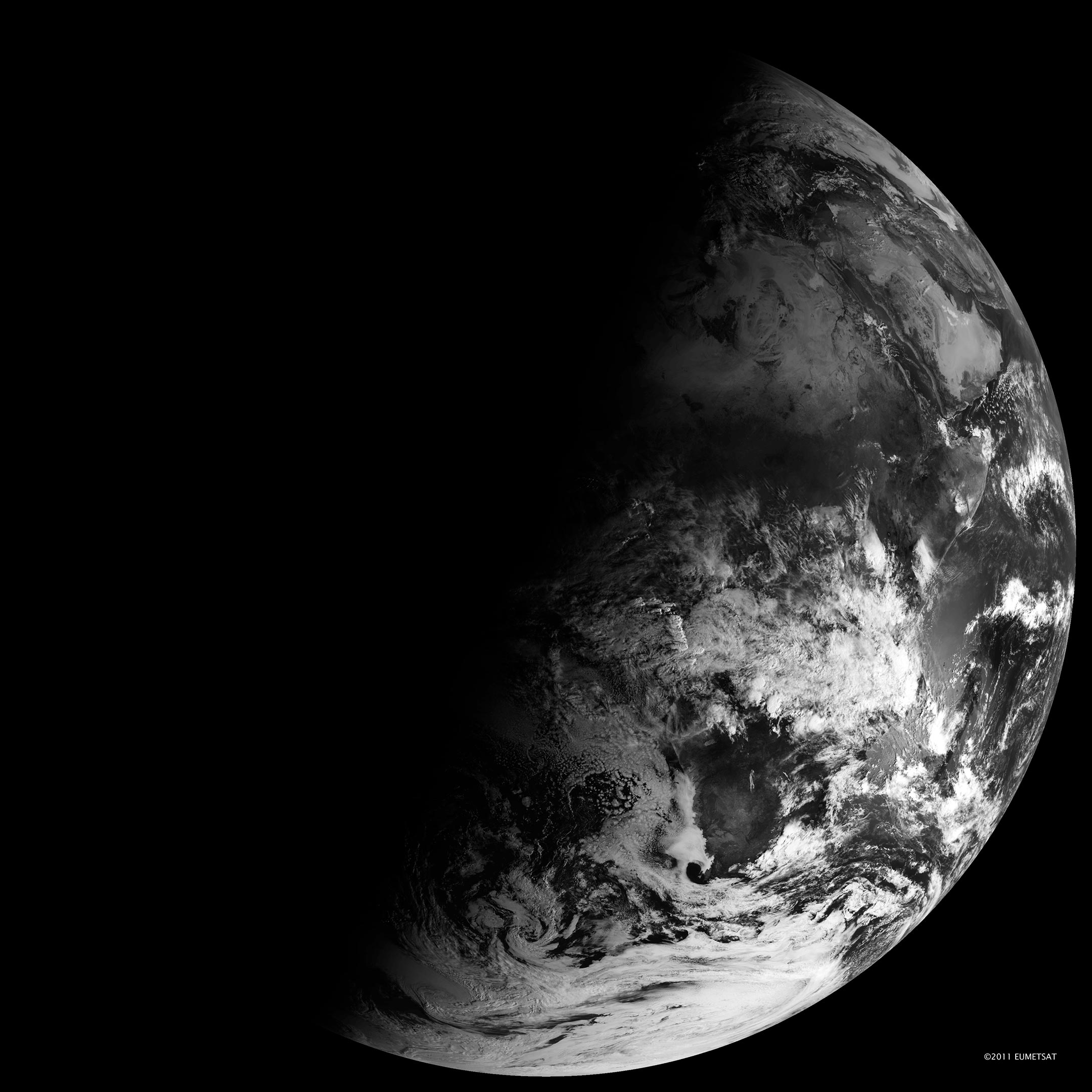
    View of Earth from Spinning Enhanced Visible and Infrared Imager (SEVIRI) on EUMETSAT’s Meteosat-9 in geosynchronous orbit. Credit: NASA

    A Meteosat-9 satellite image from December 21, 2010, beautifully illustrates how sunlight illuminated Earth on a solstice day.

    The Earth’s solstices come twice a year. For the Northern Hemisphere, the summer (June) solstice occurs around June 20-21, and the winter (December) solstice happens around December 21-22.

    At the solstice, the Sun’s path appears farthest north or south, depending on which half of the planet you are on. Seasons change on Earth because the planet is slightly tilted on its axis as it travels around the Sun.

    Earth’s axis may be imagined as an imaginary pole going right through the center of our planet from “top” to “bottom.” Earth spins around this pole, making one complete turn each day. That is why we have day and night.

    This image was taken with the Spinning Enhanced Visible and Infrared Imager (SEVIRI) on EUMETSAT’s Meteosat-9 captured this view of Earth from geosynchronous orbit, and shows how sunlight fell on the Earth on December 21, 2010.

    Never miss a breakthrough: Join the SciTechDaily newsletter.
    Follow us on Google and Google News.

    NASA Weather
    Share. Facebook Twitter Pinterest LinkedIn Email Reddit

    Related Articles

    California Valley Land Continues to Sink

    Possibility of El Niño Event in 2014 is Fading

    New NASA/NOAA Animations Reveal Water Vapor Over Oceans

    AIM Monitors Electric-Blue Noctilucent Clouds over Antarctica

    NASA Satellites View Super Typhoon Haiyan

    Effects of Drought in the U.S. are Now Visible from Space

    NASA Study Reveals Multi-Year Ice Declining Faster than Perennial Ice that Surrounds It

    NASA’s GISS Releases Data Showing 2011 was Ninth-Warmest Year on Record

    NASA Satellite Image Shows La Niña Peaking in Intensity

    1 Comment

    1. Jon warcup on December 22, 2021 11:01 am

      Where our planet’s poles are changing ( North Pole moving into a place to Serbia.
      Where our latitude and longitude goin to change because of it .
      The question is how’s that going to effect the seasons?

      Reply
    Leave A Reply Cancel Reply

    • Facebook
    • Twitter
    • Pinterest
    • YouTube

    Don't Miss a Discovery

    Subscribe for the Latest in Science & Tech!

    Trending News

    Nanoscale “Defects” Unlock a Major Heat Transfer Breakthrough

    Adults Taking More Vitamin D Scored 13% Higher on a Cognitive Test

    A 35,000-Year-Old Neanderthal Pelvis May Explain Why Men and Women Walk Differently

    Dual Stem Cell Treatment Restores Vision in First Human Trial

    Your Waist Size May Reveal More About Your Health Than You Think

    Scientists Turn Red Strawberries White With a Single Gene Edit

    A SpaceX Falcon 9 Rocket Hit the Moon and Blasted Open a 60-Foot Crater

    Study Reveals Your Organs May Be Aging at Very Different Speeds

    Follow SciTechDaily
    • Facebook
    • Twitter
    • YouTube
    • Pinterest
    • Newsletter
    • RSS
    SciTech News
    • Biology News
    • Chemistry News
    • Earth News
    • Health News
    • Physics News
    • Science News
    • Space News
    • Technology News
    Recent Posts
    • 125-Million-Year-Old Crocodile Fossil Reveals Astonishing New Secrets
    • Scientists Discover an “Impossible” Way Muscle Filaments Can Grow
    • Scientists Discover a Mysterious New Snake Species Hiding in New Guinea
    • Bats Have a Secret Immune System Scientists Have Never Seen in Any Other Mammal
    • A Star’s Spin Could Solve a Longstanding Black Hole Mystery
    Copyright © 1998 - 2026 SciTechDaily. All Rights Reserved.
    • Science News
    • About
    • Contact
    • Editorial Board
    • Privacy Policy
    • Terms of Use

    Type above and press Enter to search. Press Esc to cancel.