
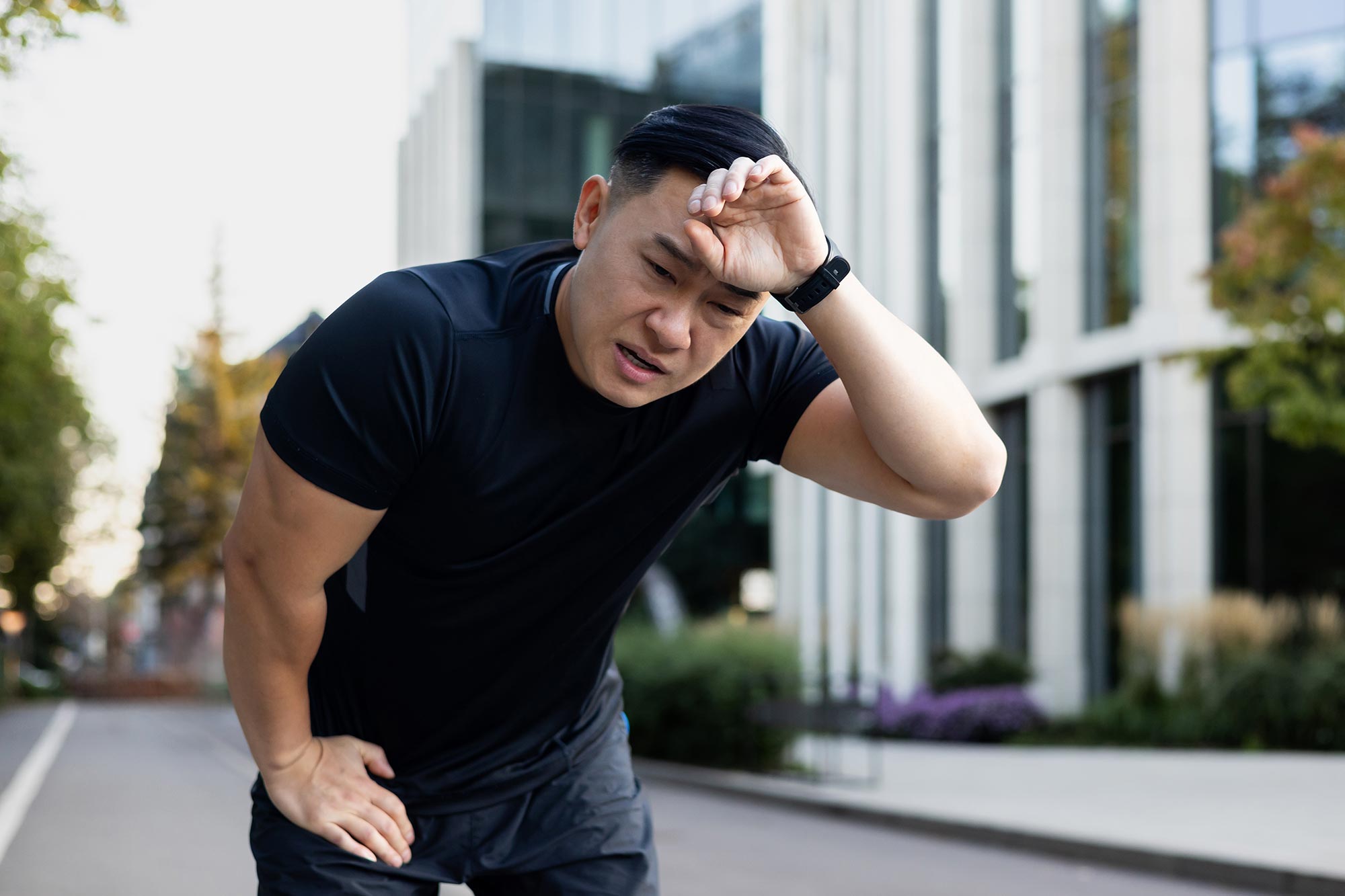
Scientists have uncovered unexpected changes in brain chemistry following prolonged, intense exercise in mice.
Two days after an exercise test, mice subjected to weeks of grueling training still had elevated dopamine levels in the hippocampus, a brain region involved in memory and emotional regulation. The findings suggest that excessive exercise without adequate recovery can produce lasting changes in brain chemistry.
The study, published in the journal Neuroscience, was conducted by researchers in Brazil. Because dopamine helps regulate motivation and alertness, the results raise questions about whether similar disruptions could contribute to sleep problems, anxiety, and persistent fatigue in overtrained athletes. However, these possible effects have not been demonstrated in humans.
What Happens to the Brain After Excessive Exercise?
To investigate how different levels of physical exertion affect the brain, the researchers compared mice subjected to two exercise protocols. One group completed a single treadmill session until exhaustion. The other underwent eight weeks of progressively more demanding training designed to simulate the physical strain associated with overtraining syndrome.
During the final week, the heavily trained mice exercised twice daily, with just four hours between sessions. Researchers then examined the animals’ hippocampi, measuring dopamine, serotonin, and proteins involved in neurotransmitter production and regulation.
The mice that completed a single exhausting run showed a rise in dopamine shortly afterward. In contrast, the chronically trained animals had elevated dopamine levels even 48 hours after their performance test, during a period intended for recovery. Levels of tyrosine hydroxylase (TyrH), an enzyme essential for dopamine synthesis, also remained elevated.
Dopamine Changes Without a Similar Rise in Serotonin
Dopamine is involved in several functions, including motivation, reward processing, and wakefulness. Its presence is not inherently harmful, but changes in its regulation could affect brain activity during periods when the body would normally be recovering.
Interestingly, the researchers found no significant changes in serotonin levels. Serotonin has long been investigated as a possible contributor to exercise-related fatigue, but these results suggest that the neurochemical effects of excessive training cannot be explained by serotonin alone.
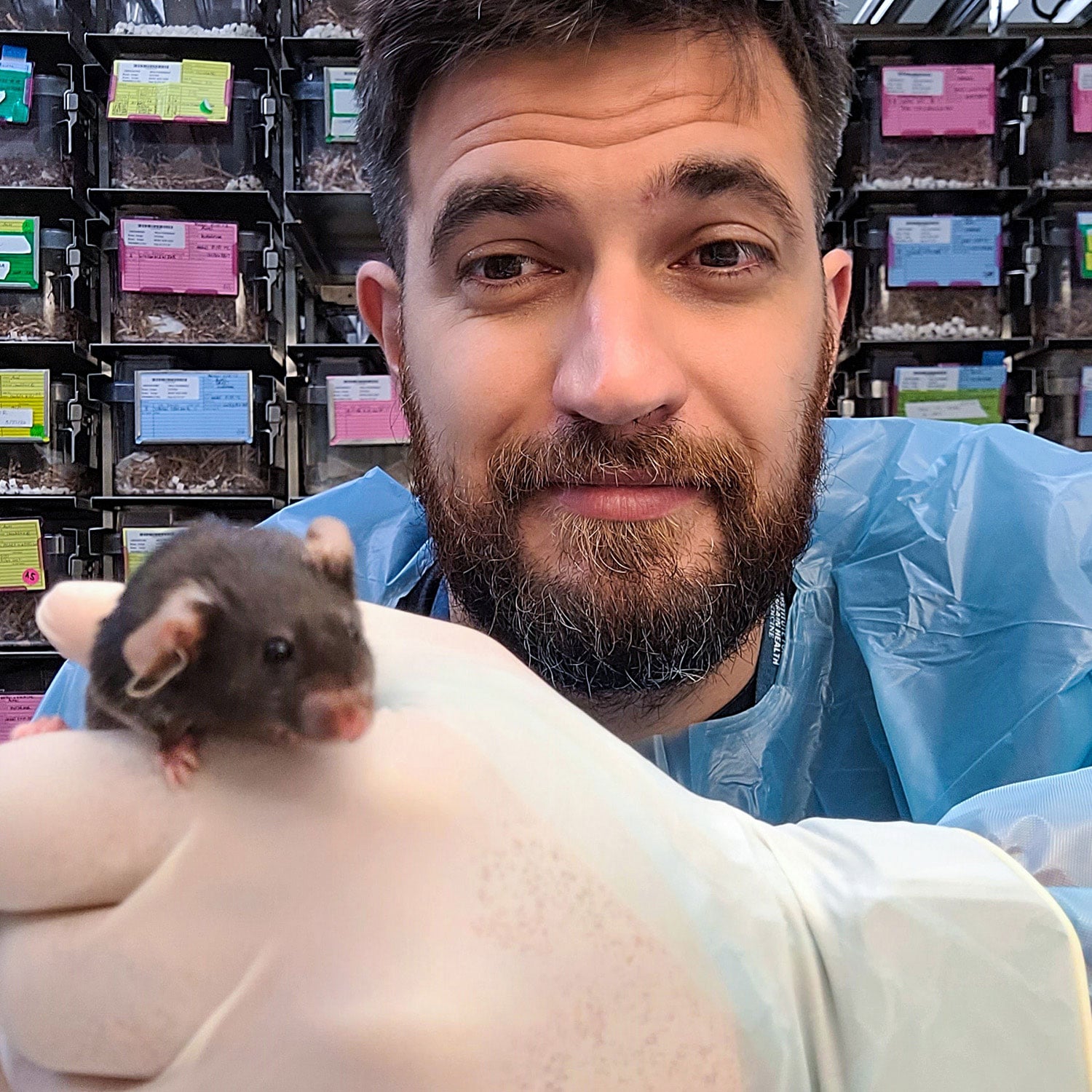
“Our findings show that excessive physical exercise affects not only skeletal muscle but also has a pronounced impact on the brain,” said Alisson Luiz da Rocha, the study’s first author. He conducted the research during his doctoral studies at the Ribeirão Preto School of Physical Education and Sports at the University of São Paulo (EEFERP-USP), with support from FAPESP.
Could These Brain Changes Help Explain Overtraining Symptoms?
Overtraining syndrome occurs when prolonged physical demands exceed the body’s ability to recover, potentially causing declining athletic performance, chronic fatigue, muscle pain, loss of appetite, increased injuries, and changes in immune and metabolic function. Researchers suspect that changes in brain signaling may also contribute to some symptoms.
Adelino Sanchez Ramos da Silva, a professor at EEFERP-USP who coordinated the study, suggested that similar dopamine disturbances in humans might help explain connections between excessive training and sleep disorders. However, the researchers did not directly measure sleep, anxiety, or alertness in the mice, so the findings cannot establish a connection between the observed chemical changes and those symptoms.
The research team is now participating in an international project to identify which biological systems first begin to show abnormal responses when excessive exercise interferes with the body’s usual adaptations to training. Such work could help clarify how beneficial physical activity progresses into a state of insufficient recovery and impaired performance.
Reference: “Excessive training alters hippocampal tyrosine hydroxylase and dopamine homeostasis in mice” by Alisson Luiz da Rocha, João Pedro Floriano, Ana Paula Pinto, Dennys Esper Cintra, Eduardo Rochete Ropelle, Ellen Cristini de Freitas, José Rodrigo Pauli and Adelino Sanchez Ramos da Silva, 4 August 2026, Neuroscience.
DOI: 10.1016/j.neuroscience.2026.08.006
Never miss a breakthrough: Join the SciTechDaily newsletter.
Follow us on Google and Google News.