
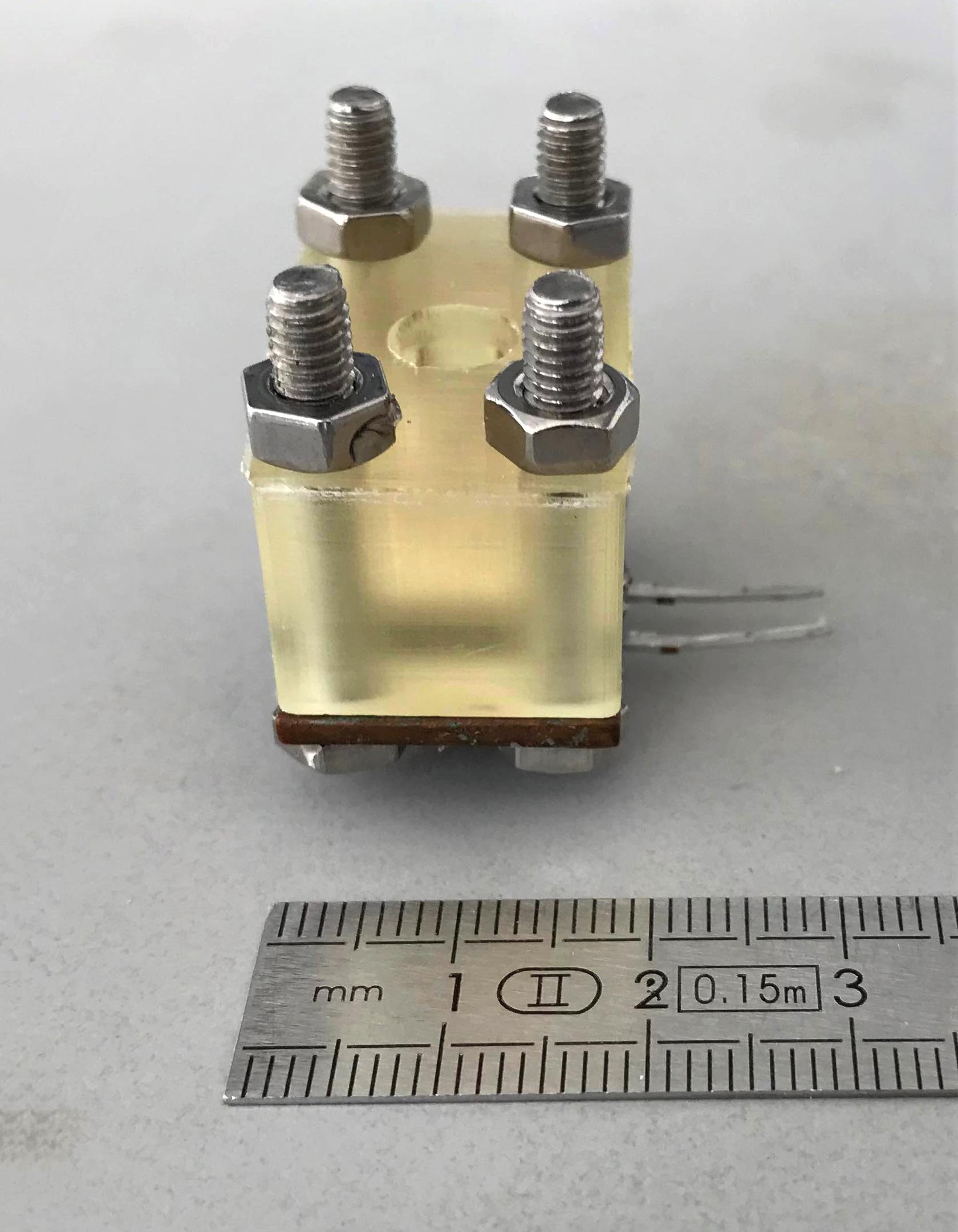
A new COVID-19 test using nanoMIPs detects SARS-CoV-2 more sensitively and under extreme conditions, offering faster and more reliable results compared to current antigen tests.
Rapid antigen tests can quickly and conveniently tell a person that they are positive for COVID-19. However, because antibody-based tests aren’t very sensitive, they can fail to detect early infections with low viral loads. Now, researchers reporting in ACS Sensors have developed a rapid test that uses molecularly imprinted polymer nanoparticles, rather than antibodies, to detect SARS-CoV-2. The new test is more sensitive and works under more extreme conditions than antibody-based tests.
The gold standard test for COVID-19 diagnosis remains the reverse transcription-polymerase chain reaction (RT-PCR). Although this test is highly sensitive and specific, it generally takes 1-2 days to get a result, is expensive, and requires special lab equipment and trained personnel. In contrast, rapid antigen tests are fast (15-30 minutes), and people can take them at home with no training. However, they lack sensitivity, which sometimes results in false negatives. Also, the tests use antibodies against SARS-CoV-2 for detection, which can’t withstand wide ranges of temperature and pH. Marloes Peeters and Jake McClements at Newcastle University, Francesco Canfarotta at MIP Diagnostics, and colleagues wanted to make a low-cost, rapid, robust, and highly sensitive COVID-19 test that uses molecularly imprinted polymer nanoparticles (nanoMIPs) instead of antibodies.
Molecularly Imprinted Polymer Nanoparticles
The researchers produced nanoMIPs against a small fragment, or peptide, of the SARS-CoV-2 spike protein by creating molecular imprints, or molds, in the nanoparticles. These nanoscale binding cavities had a suitable size and shape to recognize and bind the imprinted peptide and, therefore, the entire protein. They attached the nanoparticles that bound most strongly to the peptide to printed electrodes. After showing that the nanoMIPs could bind SARS-CoV-2, they developed a 3D-printed prototype device that detects binding of the virus by measuring changes in temperature.
When the team added samples from seven patient nasopharyngeal swabs to the device, the liquid flowed over the electrode, and the researchers detected a change in temperature for samples that had previously tested positive for COVID-19 by RT-PCR. The test required only 15 minutes, and preliminary results indicated that it could detect a 6,000 times lower amount of SARS-CoV-2 than a commercial rapid antigen test. Unlike antibodies, the nanoMIPs withstood warm temperatures — which could give the test a longer shelf life in hot climates — and acidic pH — which might make it useful for monitoring SARS-CoV-2 in wastewater and saliva samples. However, to prove that the test has a lower false negative rate than existing rapid antigen tests, it must be tested on many more patient samples, the researchers say.
Reference: “Molecularly Imprinted Polymer Nanoparticles Enable Rapid, Reliable, and Robust Point-of-Care Thermal Detection of SARS-CoV-2” by Jake McClements, Laure Bar, Pankaj Singla, Francesco Canfarotta, Alan Thomson, Joanna Czulak, Rhiannon E. Johnson, Robert D. Crapnell, Craig E. Banks, Brendan Payne, Shayan Seyedin, Patricia Losada-Pérez and Marloes Peeters, 13 April 2022, ACS Sensors.
DOI: 10.1021/acssensors.2c00100
The authors acknowledge funding and support from Newcastle University, the Rosetrees Trust, the Wellcome Trust, MIP Diagnostics and the Fonds de la Recherche Scientifique.
Never miss a breakthrough: Join the SciTechDaily newsletter.
Follow us on Google and Google News.