
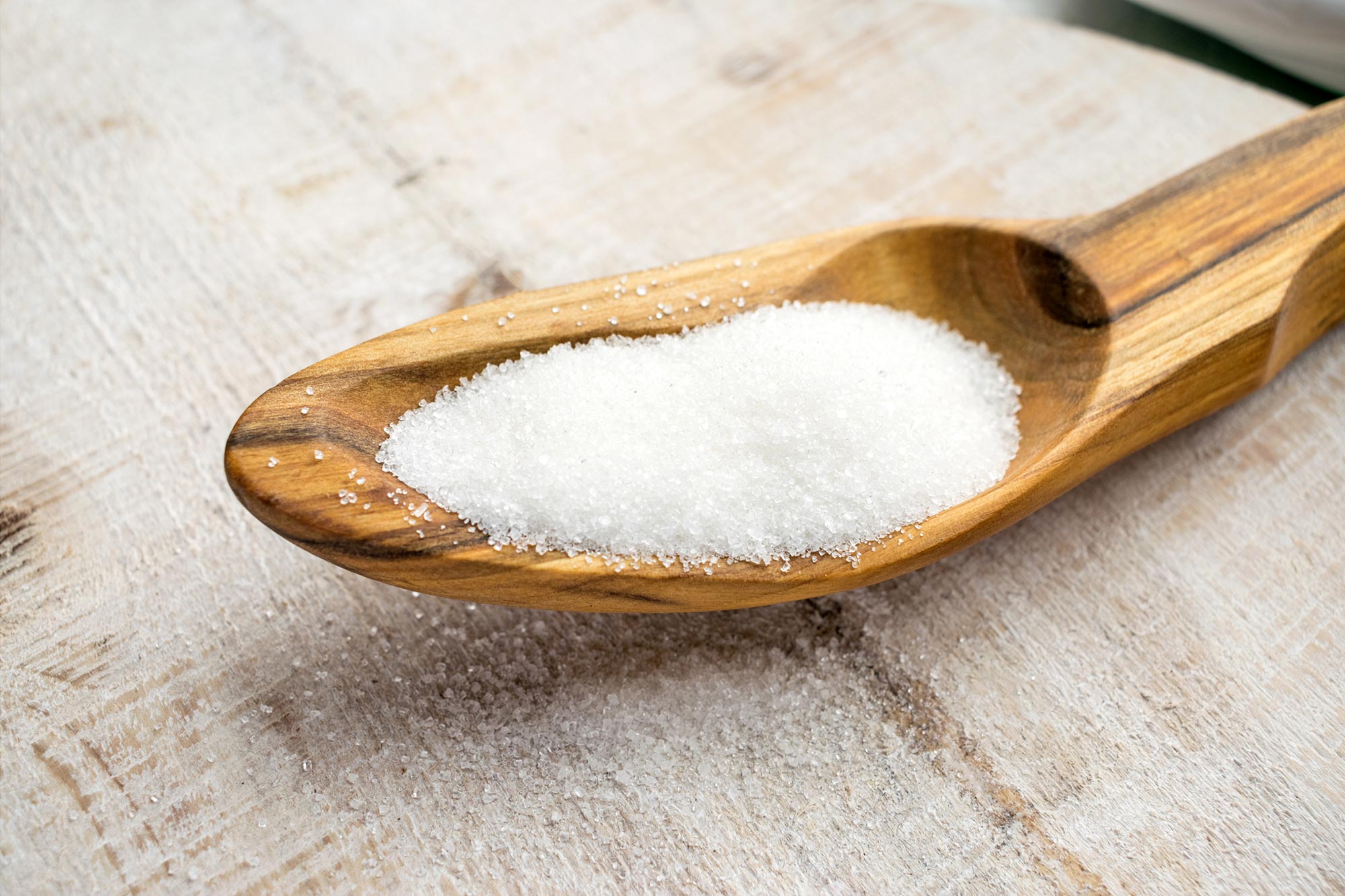
A new study suggests that widely used zero-calorie sweeteners may subtly reshape the gut microbiome and alter gene activity linked to metabolism and inflammation.
Opting for a diet soda may seem like a simple way to cut calories, but the trade-off is replacing sugar with non-nutritive sweeteners such as sucralose or stevia.
These compounds deliver sweetness without energy, yet scientists are increasingly questioning whether “zero-calorie” also means biologically neutral. Studies suggest these additives may influence how the body regulates energy, raising concerns about possible links to metabolic disorders over time.
A new mouse study adds another layer to that debate, pointing to subtle but lasting changes in the gut and at the genetic level. Researchers found that exposure to sucralose or stevia altered the gut microbiome and affected genes tied to metabolism and inflammation. In some cases, these changes appeared to persist into the next generation, hinting that diet could have biological effects that extend beyond a single lifetime.
“We found it intriguing that despite the growing consumption of these additives, the prevalence of obesity and metabolic disorders such as insulin resistance has not declined,” said Dr. Francisca Concha Celume of the Universidad de Chile, lead author of the article in Frontiers in Nutrition. “This does not mean that sweeteners are responsible for these trends, but it raises the question of whether they influence metabolism in ways we do not yet fully understand.”
Sugar by any other name?
The researchers divided 47 male and female mice into three groups. One group received plain water, while the others were given water containing sucralose or stevia at levels similar to typical human intake. These mice were then bred for two generations, and their offspring were given only plain water.
“Animal models allow us to control environmental conditions very precisely and to isolate the effect of a specific factor, such as a dietary compound, while also following several generations within a relatively short time,” explained Concha.
Each generation underwent an oral glucose tolerance test, which measures insulin resistance, a warning sign for diabetes. The team also collected fecal samples to examine changes in the gut microbiome and levels of short-chain fatty acids. These compounds can reflect epigenetic changes that may be passed from parents to offspring. Sweeteners are thought to influence these fatty acids by disrupting the gut microbiome, which can in turn affect gene expression.
In addition, the researchers analyzed the activity of five genes linked to inflammation, gut barrier function, and metabolism in the liver and intestines. This provided a snapshot of how non-nutritive sweeteners might influence biological pathways related to metabolic and inflammatory health.
A tale of two sweeteners
The results showed that the two sweeteners produced distinct and evolving effects. In the first generation, only male offspring of mice exposed to sucralose showed impaired glucose tolerance. By the second generation, higher fasting blood sugar levels appeared in male descendants of the sucralose group and female descendants of the stevia group.
Both sweetener groups showed increased diversity in their gut microbiomes but lower levels of short-chain fatty acids, suggesting reduced production of beneficial metabolites. These reductions persisted in later generations. The effects were more pronounced and longer lasting in mice exposed to sucralose, which showed a shift toward more harmful bacterial species and fewer beneficial ones.
Sucralose also appeared to increase the activity of genes associated with inflammation while reducing the activity of genes involved in metabolism, with effects lasting up to two generations. Stevia influenced gene expression as well, but its effects were milder and did not extend beyond one generation.
“When we compared generations, these effects were generally strongest in the first generation and tended to decrease in the second generation,” said Concha. “Overall, the effects linked to sucralose were more consistent and persistent across generations.”
“The changes we observed in glucose tolerance and gene expression could be interpreted as early biological signals related to metabolic or inflammatory processes,” said Concha. “For example, the animals did not develop diabetes. Instead, what we observed were subtle changes in how the body regulates glucose and in the activity of genes associated with inflammation and metabolic regulation. It is possible that such changes could increase susceptibility to metabolic disturbances under certain conditions, such as a high-fat diet.”
The researchers stress that these findings show associations rather than direct cause and effect. They also note that results from mice do not necessarily apply to humans.
“The goal of this research is not to create alarm, but to highlight the need for further investigation,” said Concha. “It may be reasonable to consider moderation in the consumption of these additives and to continue studying their long-term biological effects.”
Reference: “Artificial and natural non-nutritive sweeteners drive divergent gut and genetic responses across generations” by Francisca Concha Celume, Francisco Pérez-Bravo, Fabien Magne, Ricardo Olivares and Martin Gotteland, 30 January 2026, Frontiers in Nutrition.
DOI: 10.3389/fnut.2026.1694149
Funding: Fondo Nacional de Investigación y Desarrollo en Salud, Universidad de Chile
Never miss a breakthrough: Join the SciTechDaily newsletter.
Follow us on Google and Google News.
6 Comments
I have stevia in my garden. It’s a herb that looks like Italian parsley. I’ve used its for many, many years without ever having any kind of problem. The idea that it negatively affects our system is most likely rubbish to make the poisonous artificial big business man-made sweeteners look better.
Or they’re paid for by the sugar industry to make their competitors look bad.
Both stevia, a long used and problem free plant and Aspartame – two essential amino-acids that you get in every protein food you’ve ever eaten – and together are sweet – are both perfectly fine (although Aspartame should be avoided if you are prone to epileptic fits as Aspartame adds neurotransmitters – which normally help you think – and supplying that amino-acid is what your body does with protein – and why you eat protein).
So don’t be fooled by BS.
Aspartame, in particular, is one of(if not the) most researched and studied artificial sweeteners out there, and it’s been proven time and time again that, when taken within recommended doses, it’s perfectly safe to consume.
Fake News. Not Artificial Sweeteners but sucralose and stevia
Comments need to chill. Please read the full article and review the study before calling this out as BS.
“The researchers stress that these findings show associations rather than direct cause and effect. They also note that results from mice do not necessarily apply to humans.
“The goal of this research is not to create alarm, but to highlight the need for further investigation,” said Concha. “It may be reasonable to consider moderation in the consumption of these additives and to continue studying their long-term biological effects.””
Despite dramatic titles, no one is saying don’t consume these, but instead that, like with most substances, more research should be done to see long term affects on people and that consumption should be done in moderation. These sweeteners still outweigh the effects of the sugar found in most products as an alternative, especially for diabetics, but it’s always good to look at risks and long term affects of popular substances as we move away from the sugar we’ve used for so long.
The study itself is seemingly well put together and peer-reviewed by experts in several nations. Most importantly, NOT the USA, where lobbying efforts are known to sway conclusions on studies.