
Close Menu
    Facebook X (Twitter) Instagram
    SciTechDaily
    • Biology
    • Chemistry
    • Earth
    • Health
    • Physics
    • Science
    • Space
    • Technology
    Facebook X (Twitter) Pinterest YouTube RSS
    SciTechDaily
    Home»Space»This Week @NASA: Webb’s New Look at the Cosmos, Scouting Landing Sites for Mars Sample Return
    Space

    This Week @NASA: Webb’s New Look at the Cosmos, Scouting Landing Sites for Mars Sample Return

    By NASAJuly 16, 2022No Comments5 Mins Read
    Facebook Twitter Pinterest Telegram LinkedIn WhatsApp Email Reddit
    Share
    Facebook Twitter LinkedIn Pinterest Telegram Email Reddit
    NASA Webb’s New Look at the Cosmos
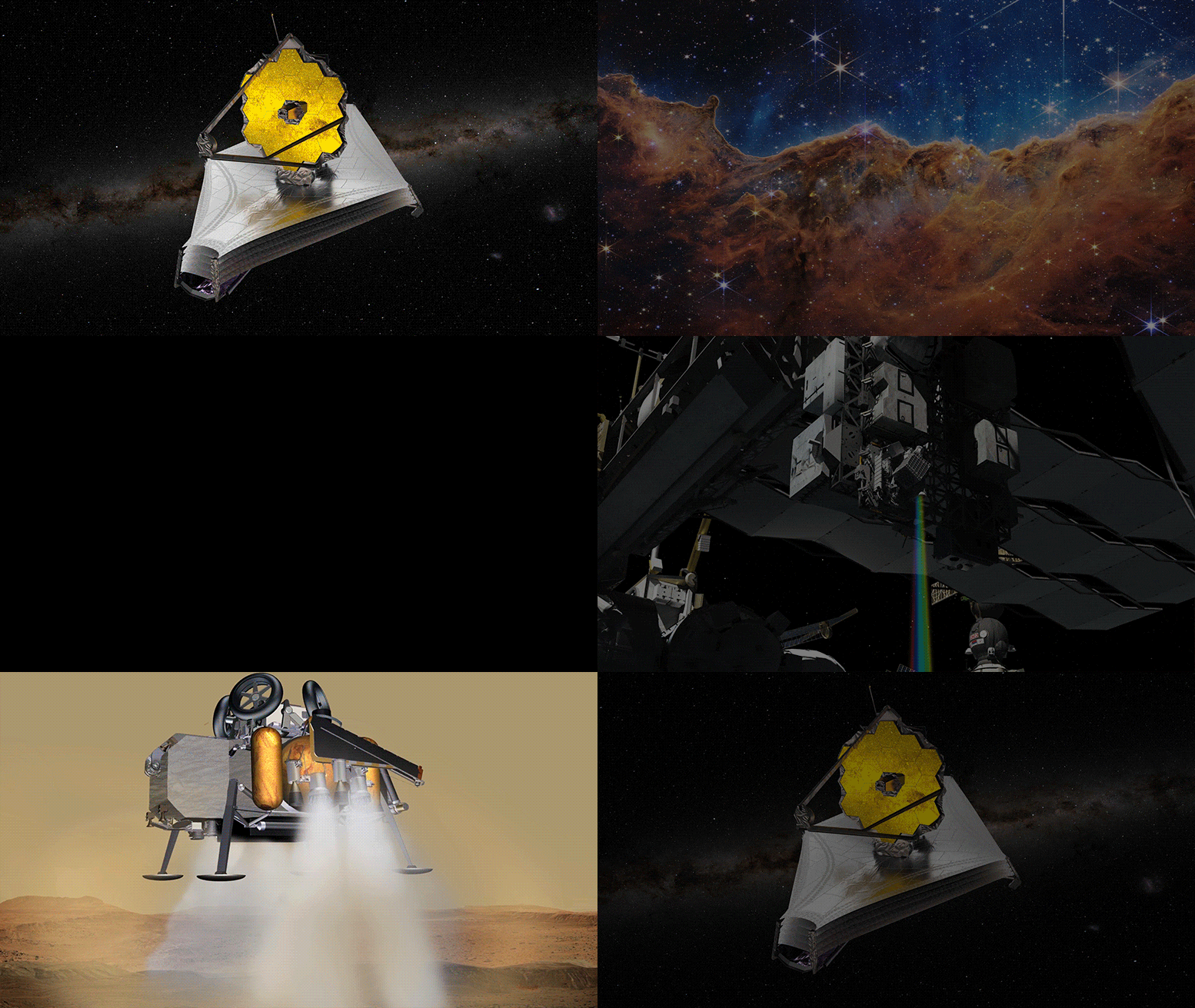
    The Webb Space Telescope’s new look at the cosmos, technology used to fine-tune Webb that improves the vision of millions on Earth, and a new climate study heading to the space station are just a few of the stories to tell you about this week at NASA!

    The Webb Space Telescope’s new look at the cosmos …

    Technology used to fine-tune Webb improves the vision of millions on Earth ….

    And a new climate study heads to the space station … a few of the stories to tell you about – This Week at NASA!

    The Webb Space Telescope’s New Look at the Cosmos

    “It’s a new window into the history of our universe.”—POTUS

    On July 11, President Joe Biden released the first full-color image from NASA’s James Webb Space Telescope during a public event at the White House in Washington. The image, known as Webb’s First Deep Field, reveals thousands of galaxies in a section of the sky so tiny that it is only about as big as a grain of sand that is held at arm’s length by a person on the ground.

    “Every part of this mission is a partnership …”

    The next day, in cooperation with our partners from the European Space Agency, Canadian Space Agency, and Space Telescope Science Institute, we released the full set of Webb’s first full-color images and spectroscopic data. The new observations uncover a collection of previously hidden cosmic features. This includes the clear signature of water on a planet outside our solar system that was not detected by previous studies of that planet, the earliest rapid phases of star formation in the Carina Nebula, never-before-seen details of a galaxy group that may help us better understand galactic mergers and interactions, and a second dying star brought into full view for the first time by Webb’s new infrared look at a planetary nebula about 2,000 light-years from us. These first images kick off the beginning of the telescope’s science operations. Now, astronomers will have a chance to utilize the power of Webb to observe everything from objects within our solar system to activity from the very early history of the universe.

    “We are now going to be determining things that we don’t even know what the questions are that we ought to ask. And so it’s one of these great engineering feats – not just for us, but for humanity.”—Bill Nelson, NASA Administrator
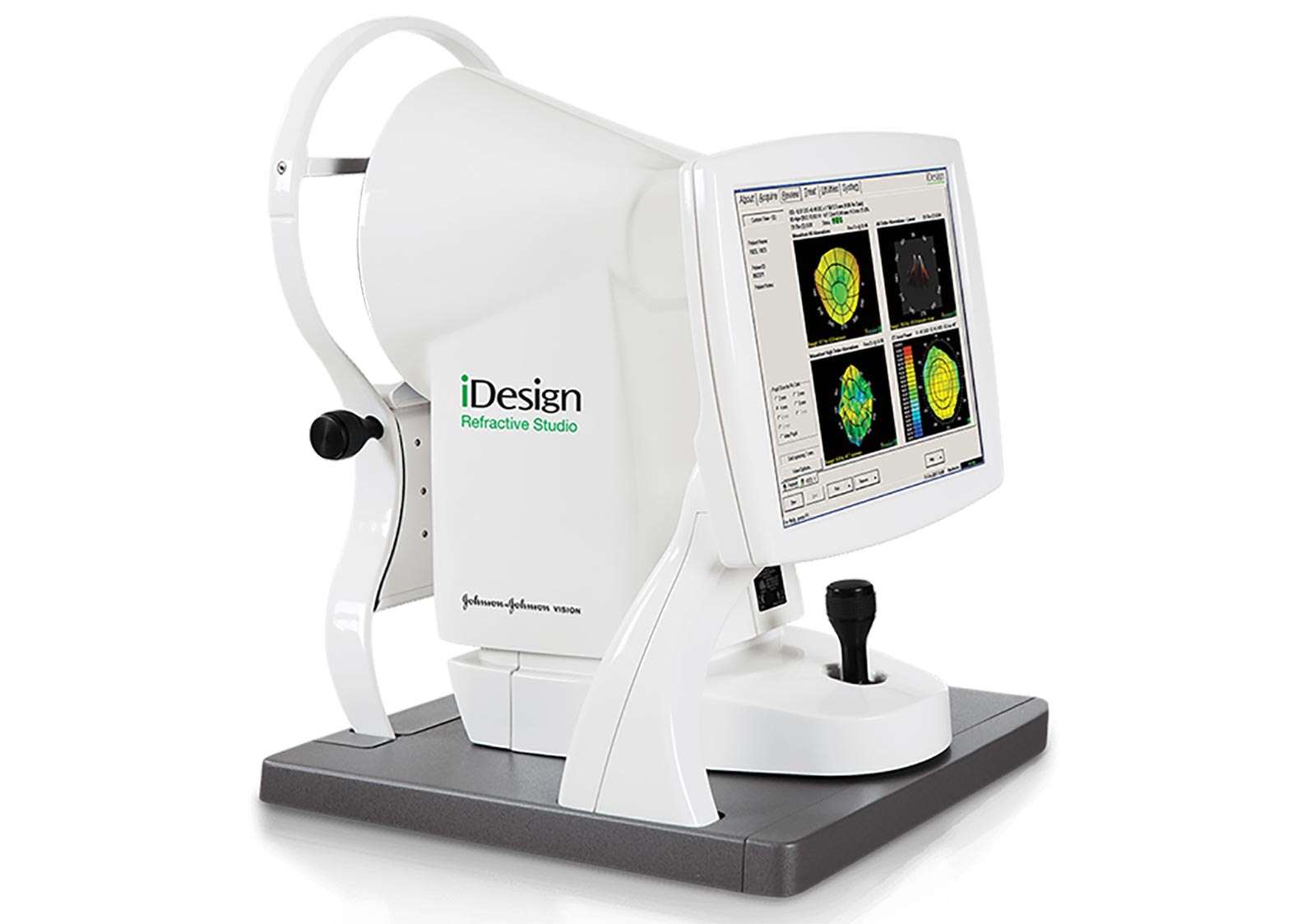
    Johnson & Johnson’s iDesign Refractive Studio
    Johnson & Johnson’s iDesign Refractive Studio, pictured here, takes precise eye measurements that map visual pathways and cornea curvature to help doctors diagnose and plan treatment for eye issues. Credit: Johnson & Johnson Vision

    NASA Tech for Webb Telescope Mirrors Boosts Eye Surgery Precision

    Meanwhile, some NASA-developed technology used during construction of the Webb Space Telescope to measure deviations in its mirrors is driving major improvements to LASIK laser eye surgery and helping to improve the vision of millions of people on Earth. Medical company, Johnson & Johnson has incorporated the tech into a device that takes precise eye measurements to map imperfections in visual pathways and cornea curvature. NASA has a long history of transferring technology to the private sector. Learn more about our efforts to bring space technology down to Earth at spinoff.nasa.gov.
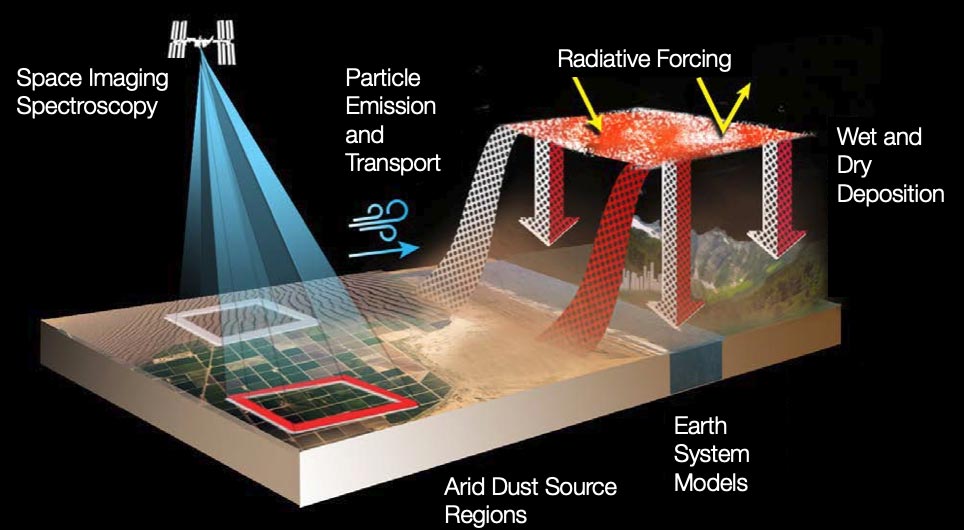
    EMIT Mission Illustration
    When strong winds on one continent stir up mineral rock dust (such as calcite or chlorite), the airborne particles can travel thousands of miles to affect entirely different continents. Dust suspended in the air can heat or cool the atmosphere and Earth’s surface. This heating or cooling effect is the focus of NASA’s Earth Surface Mineral Dust Source Investigation (EMIT) mission. Credit: NASA/JPL-Caltech

    New Climate Research Launches to Space Station

    On July 14, a SpaceX Dragon spacecraft launched from Kennedy Space Center in Florida with more than 5,800 pounds of cargo for the crew aboard the International Space Station. The cargo includes a new NASA climate study called the Earth Surface Mineral Dust Source Investigation or EMIT. This research could help us learn more about the composition of mineral dust carried through the atmosphere from deserts and its effects on our climate.
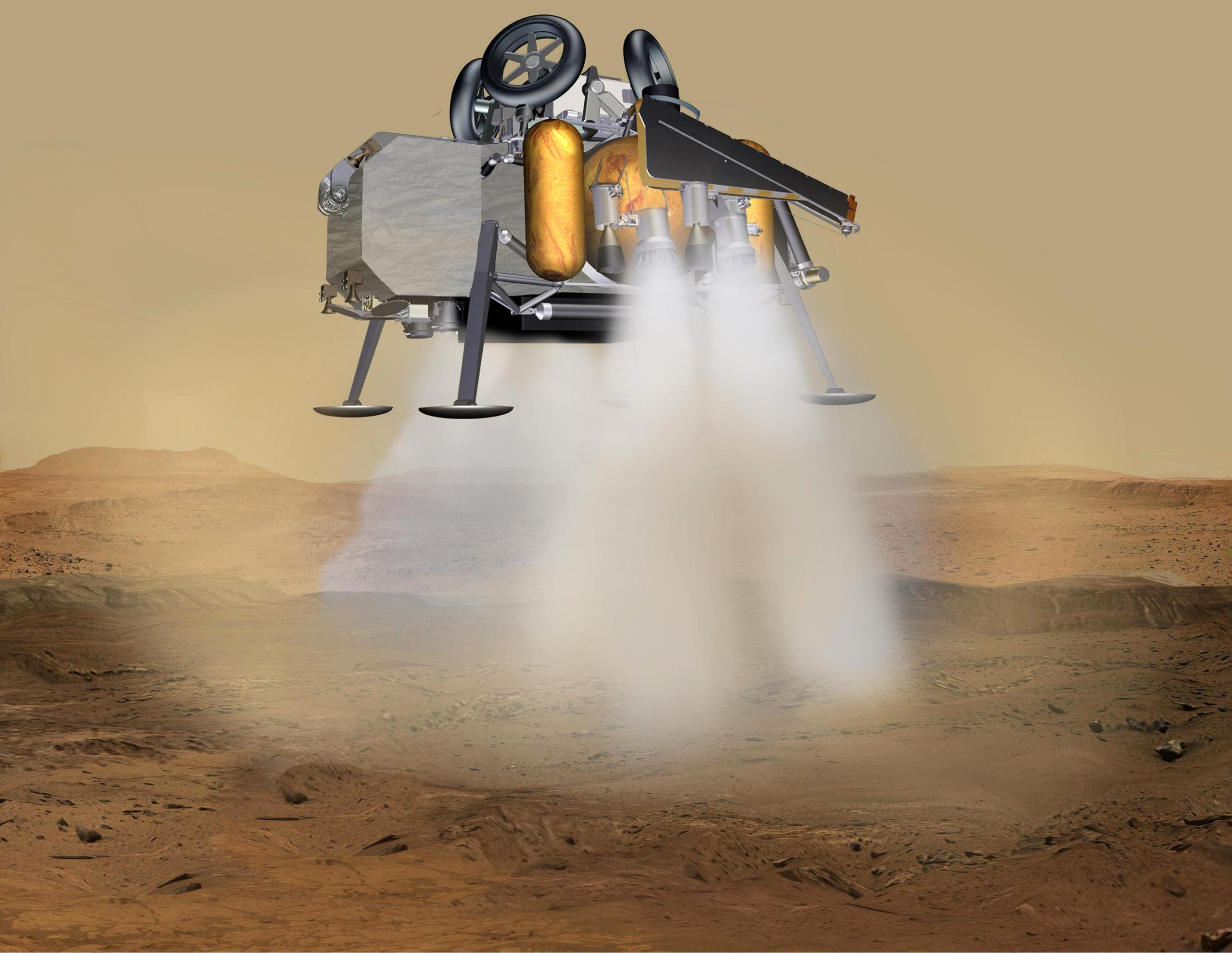
    Mars Sample Return Lander Touchdown
    In this illustration of a Mars sample return mission concept, a lander carrying a fetch rover touches down on the surface of Mars. Credit: NASA/JPL-Caltech

    Perseverance Scouts Landing Sites for Mars Sample Return

    Our Perseverance Mars rover is still conducting its science campaign. The rover recently collected its tenth rock core sample at Jezero Crater’s ancient river delta. But the rover is also scouting for locations at which the future Mars Sample Return Campaign can land spacecraft, collect the sample tubes left by Perseverance, and return the rock and dirt samples to Earth for study. The sites being scouted are under consideration because of their proximity to the delta and to one another, as well as for their relatively flat, lander-friendly terrain.

    That’s what’s up this week @NASA

    Never miss a breakthrough: Join the SciTechDaily newsletter.
    Follow us on Google and Google News.

    NASA
    Share. Facebook Twitter Pinterest LinkedIn Email Reddit

    Related Articles

    NASA’s DART Impact Actually Changed an Asteroid System’s Orbit Around the Sun

    NASA’s Webb Telescope Reveals an Eerie Nebula That Looks Like a Giant Brain

    “At First, We Thought Something Was Wrong” – NASA DART Mission Reveals a Cosmic Snowball Fight

    What’s Really Happening on Venus? Scientists Reveal Surprising Patterns

    “Ghost Galaxy” Made of 99% Dark Matter Discovered 300 Million Light Years Away

    Hubble Captures a Dying Star Cracking Open the Egg Nebula

    NASA’s Curiosity Rover Finds Organic Molecules on Mars That Meteorites Can’t Explain

    Hubble Telescope Spots Strange, Massive Disk 40 Times the Size of Our Solar System

    NASA’s Perseverance Mars Rover Makes History With AI-Planned Drive

    Leave A Reply Cancel Reply

    • Facebook
    • Twitter
    • Pinterest
    • YouTube

    Don't Miss a Discovery

    Subscribe for the Latest in Science & Tech!

    Trending News

    Scientists Discover How Coffee Impacts Memory, Mood, and Gut Health

    Why Did the Neanderthals Disappear? Scientists Reveal Humans Had a Hidden Advantage

    Physicists Propose Strange Experiment Where Time Goes Quantum

    Magnesium Magic: New Drug Melts Fat Even on a High-Fat, High-Sugar Diet

    Weight-Loss Drugs Like Ozempic May Come With an Unexpected Cost

    Mezcal “Worm” in a Bottle Mystery: DNA Testing Reveals a Surprise

    New Research Reveals That Your Morning Coffee Activates an Ancient Longevity Switch

    This Is What Makes You Irresistible to Mosquitoes

    Follow SciTechDaily
    • Facebook
    • Twitter
    • YouTube
    • Pinterest
    • Newsletter
    • RSS
    SciTech News
    • Biology News
    • Chemistry News
    • Earth News
    • Health News
    • Physics News
    • Science News
    • Space News
    • Technology News
    Recent Posts
    • Harvard Scientists Reveal Secret Structure Behind How You Smell
    • Scientists Just Discovered the Hidden Trick That Keeps Your Cells Alive
    • This Simple Movement Could Be Secretly Cleaning Your Brain
    • Male Birth Control Breakthrough: Scientists Find Way To Turn Sperm Production Off and Back On
    • A Common Vitamin Could Hold the Key to Treating Fatty Liver Disease
    Copyright © 1998 - 2026 SciTechDaily. All Rights Reserved.
    • Science News
    • About
    • Contact
    • Editorial Board
    • Privacy Policy
    • Terms of Use

    Type above and press Enter to search. Press Esc to cancel.