
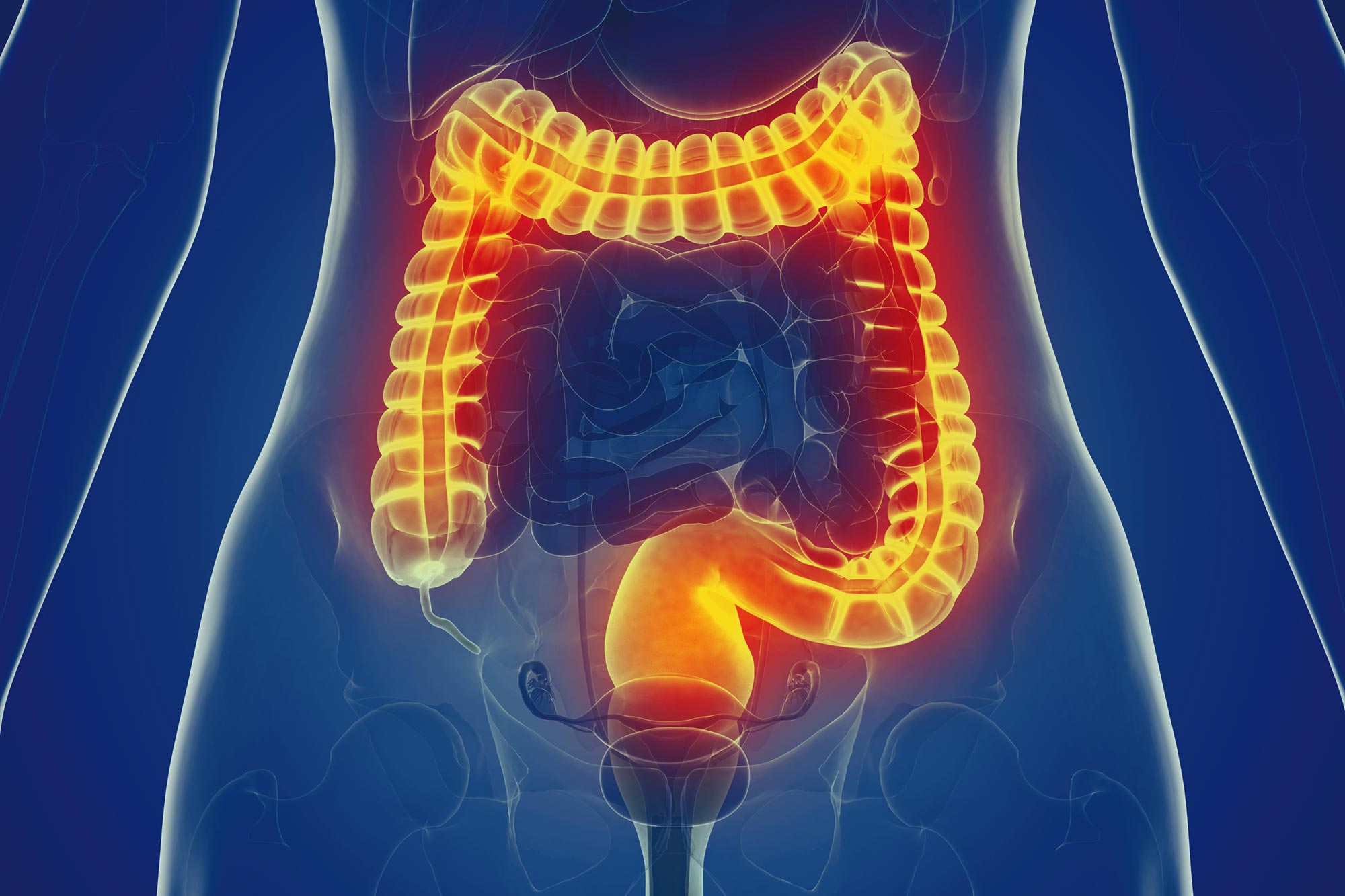
Scientists have uncovered an unexpected mechanism by which the gut’s immune system maintains balance, challenging long-standing assumptions about how immune tolerance is regulated.
Researchers at Weill Cornell Medicine have uncovered an unexpected mechanism the immune system uses to prevent chronic inflammation in the intestine. The discovery could point to new treatment strategies for inflammatory bowel disease (IBD), food allergies, and other autoimmune disorders.
The study, published April 24 in the Journal of Experimental Medicine, examined how immune cells communicate to tolerate harmless gut microbes and proteins from food. Scientists focused on a signal long believed to be essential for expanding immune cells that enforce tolerance. Instead, they found the opposite. Blocking this signal, rather than activating it, promoted tolerance in the intestine through a specific group of cells and significantly reduced inflammation in a preclinical model.
A Paradigm-Shifting Discovery
“We think this is a paradigm-shifting discovery that will lead to new treatment approaches for chronic inflammatory disorders of the intestine,” said senior author Dr. Gregory Sonnenberg, the Henry R. Erle, M.D.-Roberts Family Professor of Medicine, associate vice chair of research in medicine, and a faculty member in the Division of Gastroenterology & Hepatology and the Jill Roberts Institute for Research in Inflammatory Bowel Disease at Weill Cornell Medicine.
The study’s lead and co-corresponding author, Dr. Mengze Lyu, is an instructor of microbiology and immunology in medicine and a member of the Sonnenberg Laboratory.
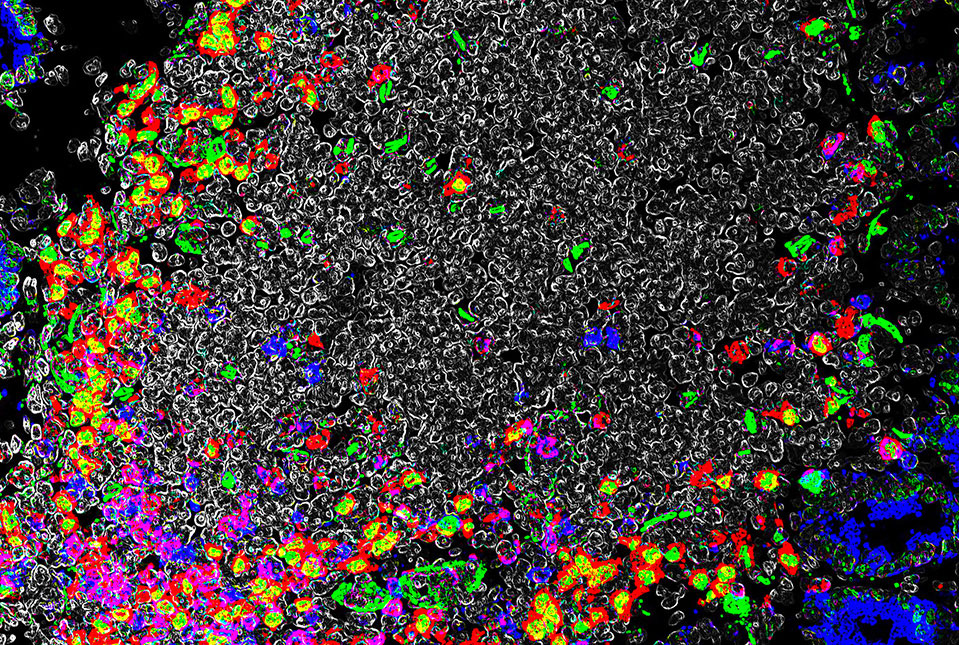
Scientists still do not fully understand how the immune system distinguishes harmful threats from harmless substances across different tissues. When this process fails, inappropriate immune responses can develop. This is especially common in the gut, where the body is constantly exposed to food molecules and microbes. Conditions such as Crohn’s disease and ulcerative colitis affect millions of people in the United States.
Unique Features of Gut Immunity
The intestinal immune system relies on specialized local cells, which makes it particularly complex. Previous studies have shown that immune tolerance in the gut is largely maintained by a subset of regulatory T cells known as Treg cells that express the transcription factor RORγt.
The Sonnenberg lab previously identified a unique group of antigen-presenting cells (APCs) that also express RORγt. These cells are concentrated in the gut and are critical for maintaining immune balance. Further work by Drs. Lyu and Sonnenberg showed that gut RORγt+ Treg cells depend on direct signals from these APCs.
In general, T cell activation follows a two-step process sometimes described as a “two-factor authentication” system. The first step, called Signal One, occurs when an APC presents a fragment of a molecule, known as an antigen, to a T cell.
Rethinking the “Second Signal”
The new study focused on Signal Two, which typically involves receptor interactions between T cells and APCs and is required for T cell activation outside the gut.
Unexpectedly, this second signal did not drive expansion of gut RORγt+ Treg cells when combined with Signal One. Instead, blocking Signal Two while maintaining Signal One led to increased numbers of these cells and protected against intestinal inflammation in a preclinical model. This response is the opposite of what is seen in Treg cells outside the gut, highlighting the distinct nature of intestinal immunity.
An existing drug, CTLA4-Ig, also known as abatacept, blocks the Signal Two interaction. Although it did not improve outcomes for IBD patients in a 2012 clinical report, the new findings help explain why. The researchers found that RORγt+ APCs are reduced in people with IBD. Without these cells, the immune system cannot deliver the Signal One needed to support Treg cell expansion when Signal Two is blocked.
“Our results suggest that CTLA4-Ig could be effective against inflammatory bowel disease, if we could restore RORγt+ APCs that are missing, or give CTLA4-Ig to patients who are in remission and still have these cells present and functional in the intestine,” Dr. Lyu said.
The team is now exploring these possibilities. Because RORγt+ Treg cells also help protect against food allergies, side effects from cancer immunotherapy, and other chronic inflammatory conditions, researchers believe this approach could have broader applications for improving gut health.
Reference: “B7 costimulation antagonizes RORγt+ regulatory T cells and immune tolerance in the intestine” by Mengze Lyu and Gregory F. Sonnenberg, 24 April 2026, Journal of Experimental Medicine.
DOI: 10.1084/jem.20251094
Never miss a breakthrough: Join the SciTechDaily newsletter.
Follow us on Google and Google News.
9 Comments
Wow! Very impressive article
I’ll really enjoy reading your articles!
Thanks
I disagree with the initial statement. IBS is not genetic or immune system related. It comes from all of the glyphosate, heavy metals, plastics & mold/bacteria that is in our food production system. The corporations are more interested in making oodles of money instead of protecting peoples food & health. They want to destroy our gut biomes so they can sell us all kinds of other products to “cure” the disease. Very misleading. Grow & eat your own food & watch IBS disappear permanently.
IBS isn’t at all the same thing as IBD idiot
This article is about IBD, not IBS. IBD is absolutely an autoimmune disorder and can have a genetic component.
You have a point – in many cases. However, not all fit one size!! There are so many different causes. You can’t simplify.
I think in this study they need to know which way the blood is flowing from the left or right. Then identify what will challenge their idea. If you read all five organs and the blood flow you can have more answers. I have no knowledge in the medical field but I’m a sick disabled person trying to help myself.
I think it’s sad that this country is seen as the greatest country on earth,and our scientist can’t come up with cures for autoimmune disorders with out causing cancer or something worse it, but they can all but cure HIV and aids it make me sick, come on doctors do better.
Production line doctors with eyes closed!
We just need to learn from everything that has caused us injury, sugar. Cereal, glyphosate, vaccines against a pandemic etc.
I’ve had stomach pain since I was about 12 years old, now 67 and I’m feeling worse. Everything I eat I bloat for days, can’t eat,drink water,. How do I find someone to help me out.