
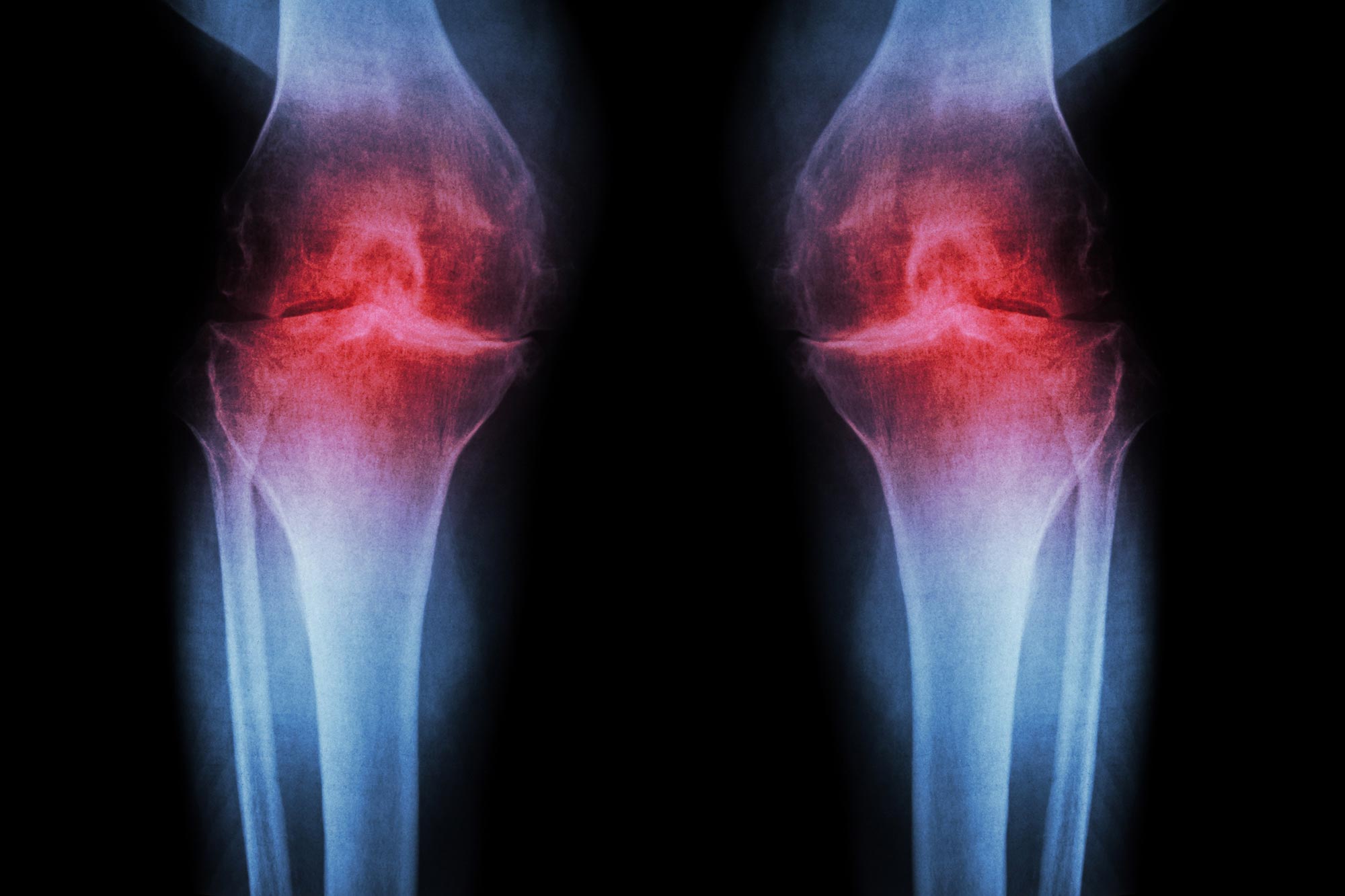
The seven-year study identifies early warning signs that may allow doctors to detect the disease before it develops, potentially sparing patients years of pain and disability.
Scientists have found that rheumatoid arthritis (RA) does not begin when pain becomes noticeable. Instead, it starts quietly many years earlier. RA is a serious autoimmune disorder that leads to painful inflammation and damage in the joints.
The new findings show that individuals at risk for RA undergo major shifts in their immune systems long before symptoms emerge. During this early stage, their bodies are already engaged in an unseen autoimmune struggle.
Research collaboration and study scope
Researchers at the Allen Institute, working with colleagues from CU Anschutz, the University of California San Diego, and the Benaroya Research Institute, uncovered these insights. The study, published in the journal Science Translational Medicine, provides the most detailed picture to date of how rheumatoid arthritis develops by tracking immune changes in at-risk individuals well before symptoms arise, paving the way for earlier intervention and prevention.
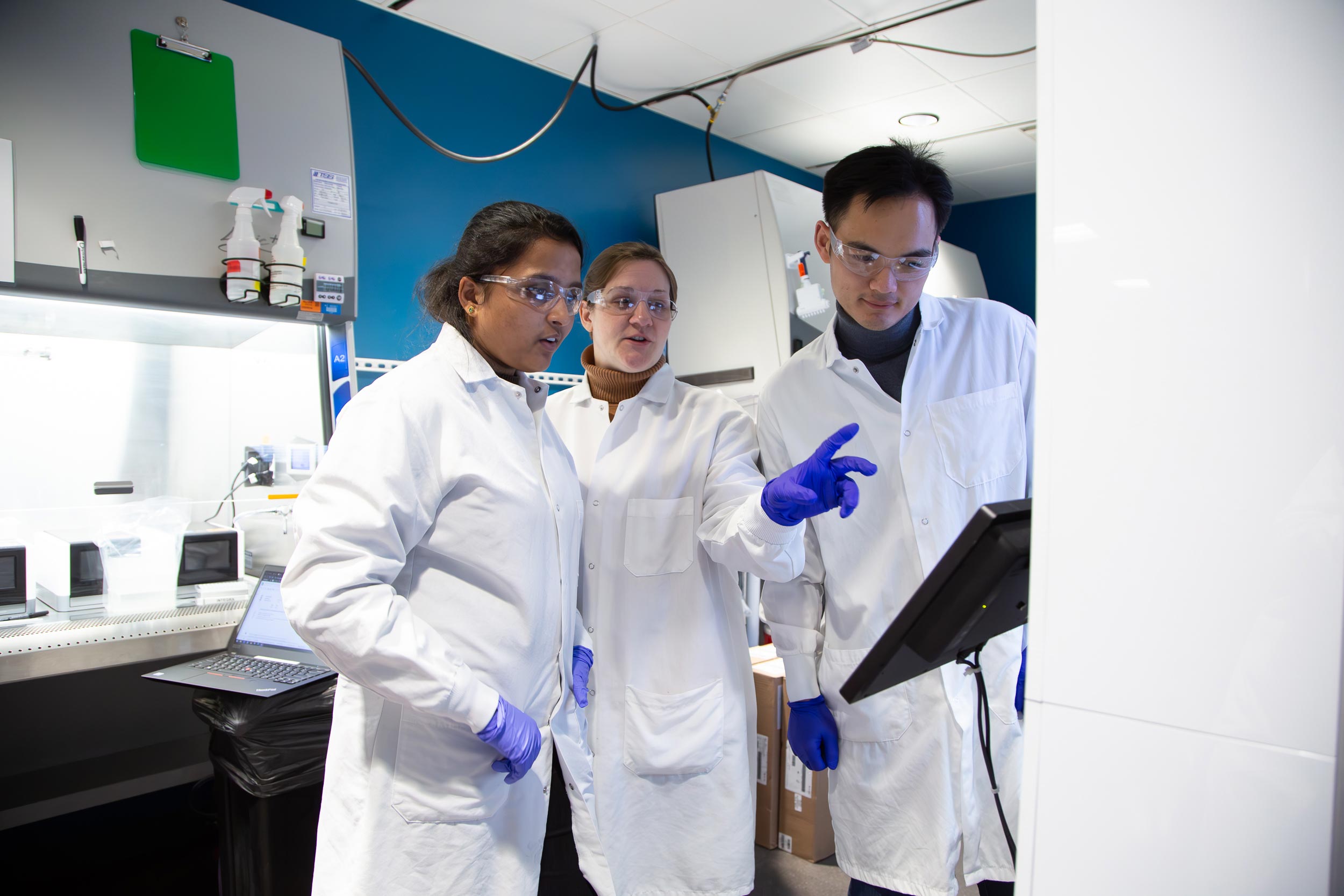
“Overall, we hope this study raises awareness that rheumatoid arthritis begins much earlier than previously thought and that it enables researchers to make data-driven decisions on strategies to disrupt disease development,” said Mark Gillespie, Ph.D., assistant investigator at the Allen Institute and co-senior author.
During the seven-year study, researchers tracked people carrying ACPA antibodies, which are known biomarkers for individuals at-risk for developing RA, and identified previously unknown factors associated with disease development, including widespread inflammation, immune cell dysfunction, and cellular reprogramming.
“We expect that going forward the findings from this study will support additional studies to identify ways to better predict who will get RA, identify potential biologic targets for preventing RA as well as identify ways to improve treatments for those with existing RA.,” said Kevin Deane, M.D./Ph.D.
Key Findings
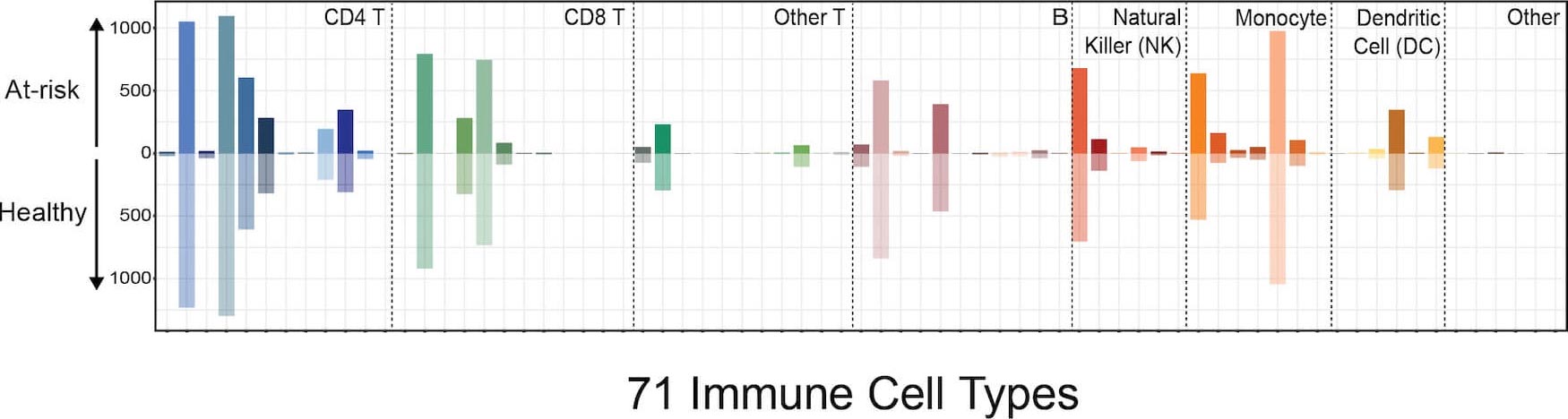
- Widespread inflammation: Researchers discovered that systemic inflammation was already present throughout the body in at-risk individuals. This wasn’t localized joint inflammation, but rather a body-wide inflammatory state that resembles what’s seen in people with active RA.
- Immune cell dysfunction: Several types of immune cells showed significant abnormalities.
- B cells, which normally produce protective antibodies, had shifted toward a pro-inflammatory state.
- T helper cells, particularly a subset resembling Tfh17 cells, were dramatically expanded beyond normal levels. These cells play crucial roles in directing immune responses, including autoantibody (antibodies that attack the body’s own tissue) production and their overactivity helps explain why the immune system begins attacking healthy tissue.
- Cellular reprogramming: Perhaps most remarkably, the study found that even “naive” T cells—immune cells that haven’t encountered threats before—showed epigenetic changes. This means the cells’ DNA wasn’t mutated, but the way genes were turned on and off had been altered, essentially reprogramming these cells before they even encountered their first threat.
- Joint-like inflammation in blood: The researchers identified monocytes (a type of white blood cell) in the bloodstream that were producing high levels of inflammatory molecules. Significantly, these blood cells closely resembled the macrophages found in the inflamed joint tissue of RA patients, suggesting the disease process was already preparing to target joints.
New biomarkers for early detection
The study reveals new early-warning signs (biomarkers and immune signatures) that could help doctors identify who among at-risk individuals is most likely to develop RA, enabling more targeted monitoring and earlier intervention.
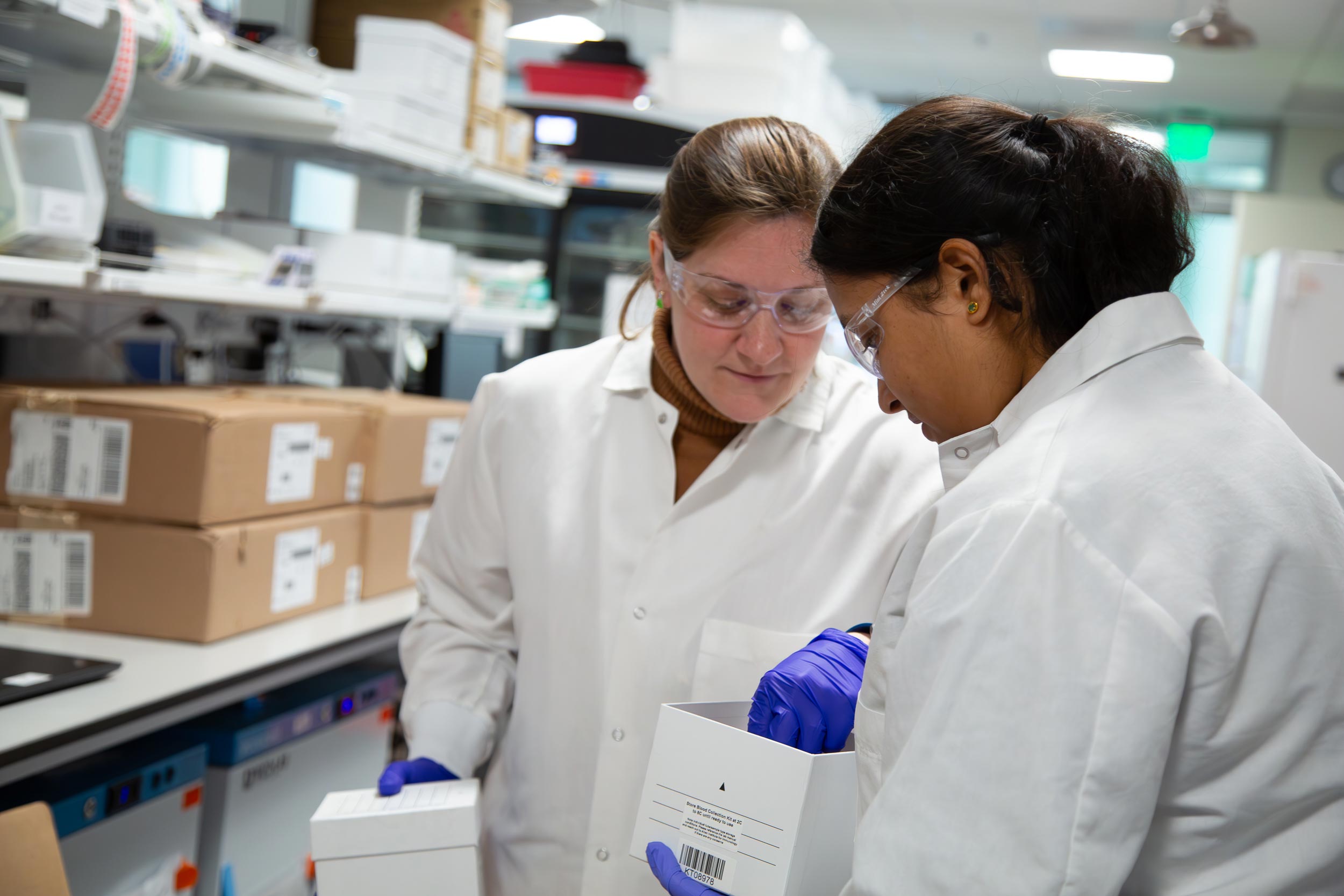
If caught early, RA could be stopped before it starts – saving patients years of pain and disability. This research may enable a major shift away from reactive treatments that rely on the appearance of joint damage and towards proactive prevention.
Reference: “Systemic inflammation and lymphocyte activation precede rheumatoid arthritis” by Ziyuan He, Marla C. Glass, Pravina Venkatesan, Marla L. Feser, Leander Lazaro, Lauren Y. Okada, Nhung T. T. Tran, Youqing D. He, Somir Zaim, Christy E. Bennett, Padmapriyadarshini Ravisankar, Elisabeth M. Benschoten, Najeeb A. Arishi, Ashley G. Asamoah, Saman Bazrideen, Lynne A. Becker, Elizabeth A. Bemis, Jane H. Buckner, Christopher E. Collora, Megan A. L. Oriley, M. Kristen Demoruelle, Chelsie L. Himes, Jessica Garber, Palak C. Genge, Qiluyu Gong, Lucas T. Graybuck, Claire C. Gustafson, Brian C. Hatat, Veronica Hernandez, Alexander T. Heubach, Erin M. Kawelo, Upasanaa Krishnan, Emma L. Kuan, Kristine A. Munk, Christian M. LaFrance, Xinhui Lee, Rouxin Li, Cara Lord, Regina R. Mettey, Laura Moss, Blessing N. Sekar, Andrea Ochoa, Vaishnavi Parthasarathy, Mark-Phillip Pewby, Robert G. Pratley, Nicole D. Phelan, Julien Reading, Charles R. Roll, Jennifer A. Skene, Marguerite D. Siedschlag, Cate Speake, Christopher G. Striebich, Tyana J. Stuckey, Elliott G. Swanson, Hideto Takada, Trevor Thai, Zachary J. Thomson, Nguyen Trieu, Vlad Tsalatskan, Wei Wang, Morgan D. A. Weiss, Amy Westminster, William W. Boyle, Ananda W. Chandra, Thomas F. Buomoi, Xiao-jun Li, Michael Holers, Peter J. Usai, Adam K. Savage, Gary S. Firestein, Kevin D. Deane, Troy R. Torgerson, and Mark A. Gillespie, 13 November 2024, Science Translational Medicine.
DOI: 10.1101/2024.10.25.620344
Funding: Allen Institute, NIH/NIAMS P30 AR079369 (KDD, VMH, MKD, KAK, LM and MLF), the University of Colorado Autoimmune Disease Prevention Center (KDD, MLF, CCS) and the William P. Arend Endowed Chair in Rheumatology Research (KDD).
Never miss a breakthrough: Join the SciTechDaily newsletter.
Follow us on Google and Google News.
1 Comment
So, they are expecting doctors to monitor patients for a disease that they don’t have and have no symptoms of? Yeah, doctors don’t do that sort of thing. The only way these findings will help anyone is if the yearly physicals check for the biomarkers of RA. But yearly physicals are useless.