
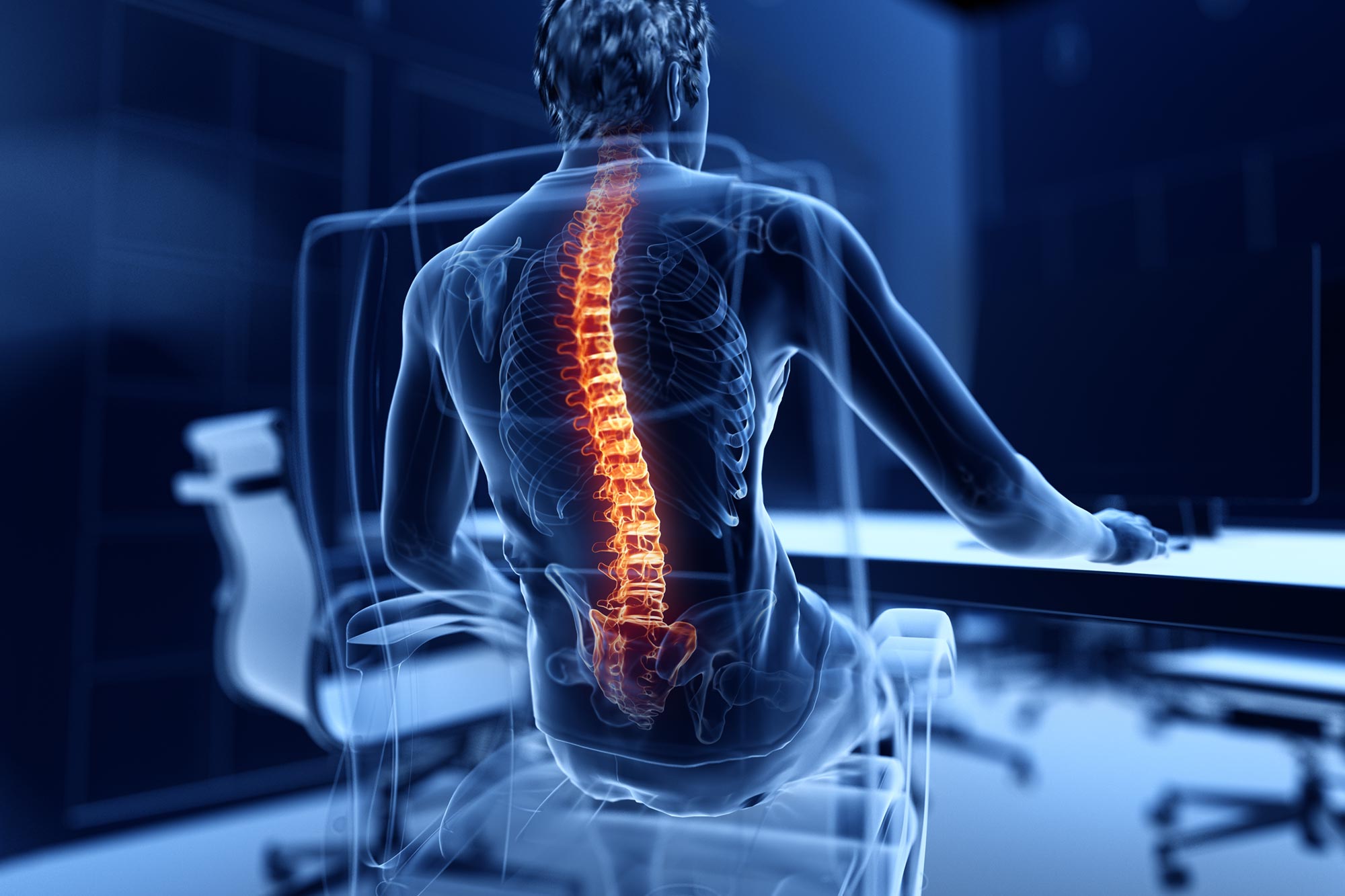
Improved fitness did not prevent prolonged sitting from impairing blood-vessel function in the legs.
Long hours of sitting are often treated as something a good workout can offset. But new research from Dalhousie University suggests the cardiovascular effects of prolonged inactivity may be harder to undo.
Published in the European Journal of Applied Physiology, the study examined whether 12 weeks of high-intensity interval training could make leg blood vessels more resistant to the effects of two hours of uninterrupted sitting. Even as participants became more aerobically fit, researchers found reason to question whether fitness alone is enough protection.
Key findings
- The training program increased aerobic fitness in healthy young adults. However, even after participants improved their fitness, extended sitting still harmed health markers in the popliteal artery, the blood vessel behind the knee that supplies the lower leg. The artery’s ability to relax and widen was affected to the same degree as it had been before the training period.
- The same sitting-related impairment was also seen in the control group, whose participants did not add extra fitness training.
How the study worked
The study followed 21 healthy young adults. Eleven participants completed a 12-week high-intensity interval training program, while 10 maintained their normal level of physical activity.
Participants took a cycling test before and after the training period so researchers could measure changes in aerobic fitness. The researchers also used ultrasound to evaluate the health of the popliteal artery before and after each participant sat continuously for about two hours.
Why it matters
Many people believe, and past research has suggested, that regular exercise can counteract the effects of spending long stretches of time seated. This study indicates that the relationship may be more complicated.
Exercise is still essential for cardiovascular health, but the findings suggest that sitting for too long may continue to affect blood vessel function in the legs, even in people who exercise.
“Many people assume a workout can compensate for a day spent sitting,” says Dr. Derek Kimmerly, senior author of the study and a professor of Kinesiology in Dalhousie’s School of Health and Human Performance. “But our findings suggest improved aerobic fitness alone may not protect blood vessels. Exercise is important, but you also need to break up long periods at a desk by moving around.”
Reference: “The impact of a 12-week high-intensity interval training program on popliteal vascular responses to prolonged sitting” by Haoxuan Liu, Sophie E. Rayner, Beverly D. Schwartz, Yanlin Wu, Jennifer L. Petterson, Myles W. O’Brien and Derek Stephen Kimmerly, 29 May 2026, European Journal of Applied Physiology.
DOI: 10.1007/s00421-026-06282-x
Never miss a breakthrough: Join the SciTechDaily newsletter.
Follow us on Google and Google News.