
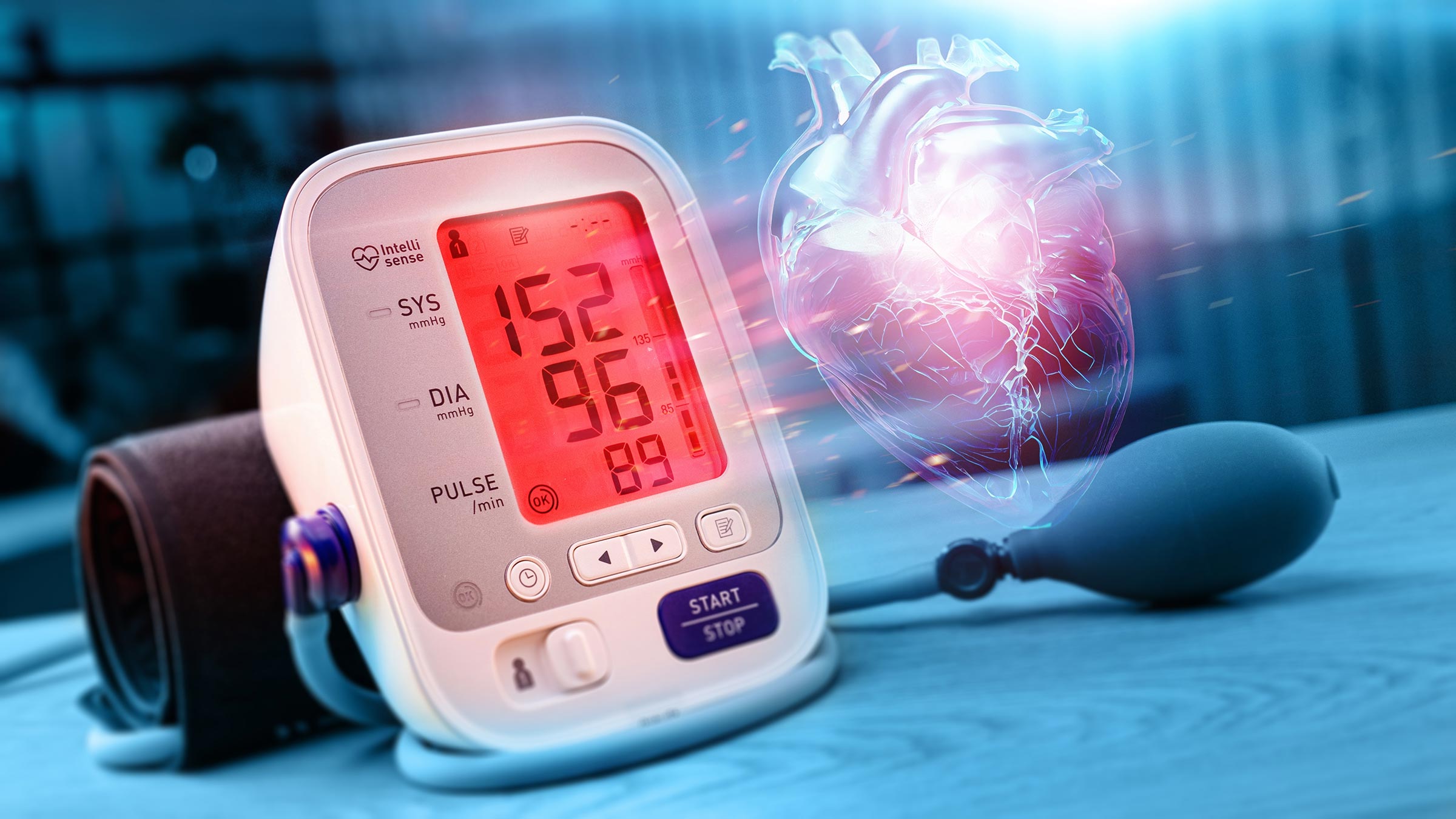
Study finds traditional Chinese practice may lower blood pressure as effectively as brisk walking and some medication trials.
A traditional Chinese mind-body exercise that combines slow, controlled movements, breathing techniques, and meditative focus has been shown to lower blood pressure as effectively as brisk walking.
The findings come from a large randomized clinical trial published in JACC, the flagship journal of the American College of Cardiology, where participants experienced reductions in blood pressure within three months that remained in place for a full year.
Simple practice addresses adherence challenges
High blood pressure remains one of the most important preventable contributors to heart disease worldwide. While medical guidelines consistently recommend regular physical activity, maintaining exercise routines over time can be difficult. Many programs require access to equipment, dedicated facilities, or structured supervision, which can limit long-term participation for a large portion of the population.
Baduanjin offers a different approach. This widely practiced routine consists of eight standardized movements that combine aerobic activity, muscle engagement, flexibility, and mind-body coordination. It has been practiced for centuries and is commonly performed in community settings across China. A typical session lasts about 10 to 15 minutes and does not require equipment, making it easy to integrate into daily life. Because it involves low to moderate intensity movement, it is generally considered safe and suitable for a broad range of adults.
How to practice Baduanjin
- Stand upright with your feet shoulder-width apart and keep your movements slow and controlled.
- Coordinate each motion with steady, deep breathing, inhaling and exhaling smoothly as you move.
- Move through the traditional eight postures in sequence, focusing on posture, balance, and relaxation rather than speed or force.
- Practice for about 10 to 15 minutes a day in a quiet space, maintaining calm attention throughout
“Given its simplicity, safety and ease at which one can maintain long-term adherence, baduanjin can be implemented as an effective, accessible and scalable lifestyle intervention for individuals trying to reduce their blood pressure,” said Jing Li, MD, PhD, senior author of the study and Director, Department of Preventive Medicine, National Center for Cardiovascular Diseases in Beijing, China.
Trial shows sustained blood pressure reductions
To evaluate its effects, researchers conducted the first large multicenter randomized trial examining baduanjin and blood pressure. The study followed 216 participants from seven different communities, all aged 40 or older with systolic blood pressure levels between 130 and 139 mm Hg, classified as stage 1 hypertension under the ACC/AHA High Blood Pressure Guideline. Participants were assigned to one of three groups for a 52-week period: baduanjin practice, self-directed exercise, or brisk walking.
The results showed that participants who practiced baduanjin five days per week experienced meaningful reductions in blood pressure. Over both three months and one year, their 24-hour systolic blood pressure dropped by about 3 mg Hg, and office systolic blood pressure decreased by 5 mg Hg compared with those doing self-directed exercise. These reductions are in line with the effects seen in some first-line medications. At the one-year mark, baduanjin produced similar outcomes and a comparable safety profile to brisk walking.
An important finding was that these benefits persisted even without ongoing supervision. This is significant because many lifestyle interventions lose effectiveness once structured support is removed, highlighting the importance of approaches that people can maintain independently.
Comparable to drugs without side effects
“Baduanjin has been practiced in China for over 800 years, and this study demonstrates how ancient, accessible, low-cost approaches can be validated through high-quality randomized research,” said Harlan M. Krumholz, MD, FACC, Editor-in-Chief of JACC and the Harold H. Hines, Jr Professor at the Yale School of Medicine.
“The blood pressure effect size is similar to that seen in landmark drug trials, but achieved without medication, cost, or side effects. This makes it highly scalable for community-based prevention, including in resource-limited settings.”
Reference: “Effect of Baduanjin on Blood Pressure Among Individuals With High-Normal Blood Pressure: A Multicenter, Open-Label, Blinded-Outcome Randomized Controlled Trial” by Boxuan Pu, BMed, Lihua Zhang, Ying Sun, BSN, Yanwu Yu, BA, Lei Yan, Yan Li, Jiamin Liu, Xin Zheng, Haibo Zhang, Yue Peng, BMed, Yang Wang, Yanyan Zhao, Xuedi Ma, Liangsuo Guo, MPE, Zun Wang, BMed, Gang Li, Zhiquan Wang, Pengyang Liu, BA, Yanmin Yang, BMed, Liying Shao, Xuexia Yan, Jie Zhen, Dan Li, BMed, Jianqiang Guo, Hai Ding, BMed, Yan Ma, BMed, Wen Bai, Rongfang Hu, BMed and Jing Li, 18 February 2026, Journal of the American College of Cardiology.
DOI: 10.1016/j.jacc.2026.01.014
Never miss a breakthrough: Join the SciTechDaily newsletter.
Follow us on Google and Google News.