
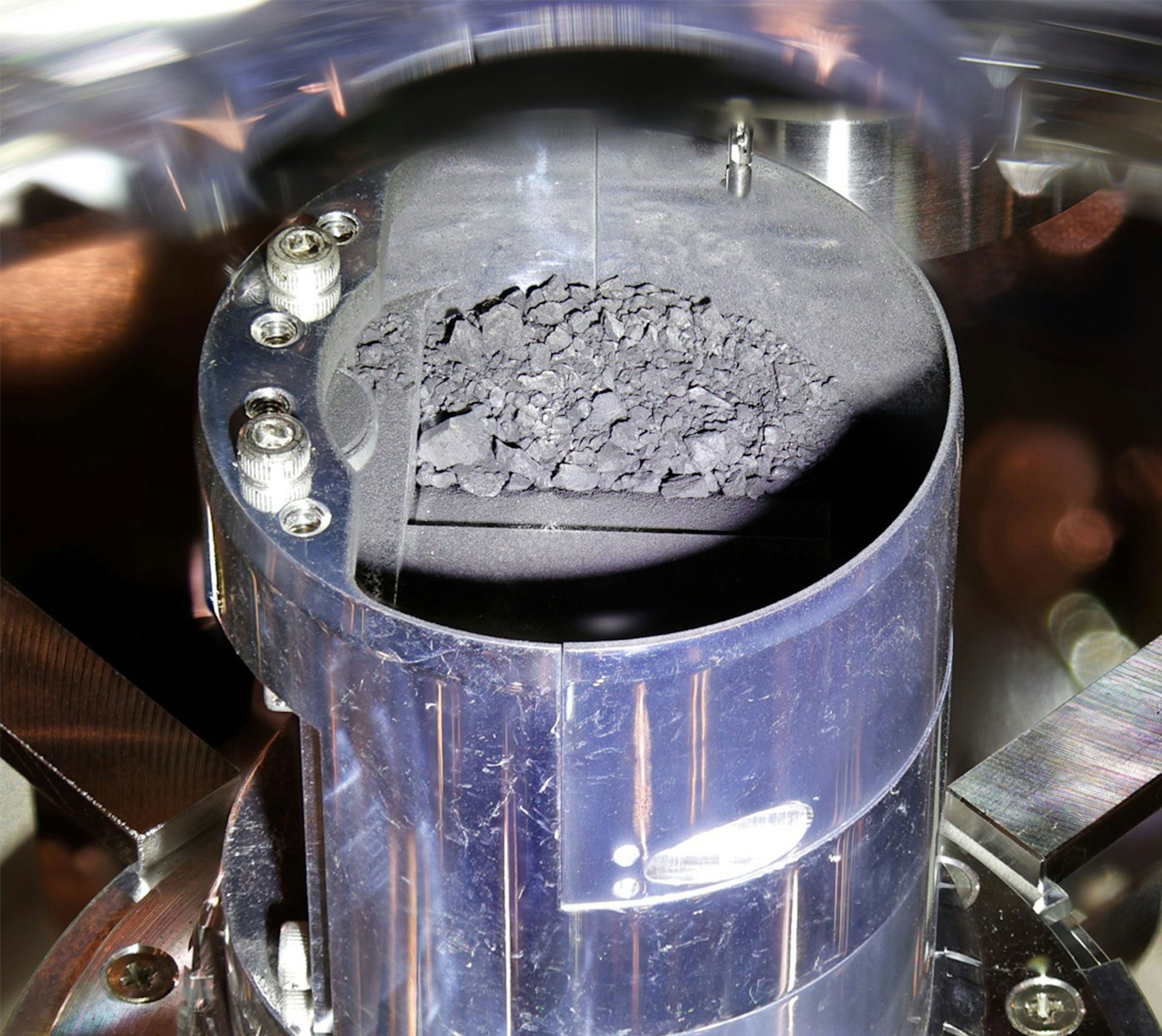
The discovery of all five nucleobases on Ryugu strengthens the idea that life’s molecular ingredients formed in space before reaching Earth.
A new study reports that samples from the asteroid Ryugu contain all five fundamental nucleobases, the molecular “letters” of life.
Tiny asteroid grains can preserve chemical clues about the ingredients that may have helped life emerge on Earth. The Ryugu material was returned from space in 2020 by the Japan Aerospace Exploration Agency’s (JAXA) Hayabusa2 mission.
In 2023, an international research team reported finding uracil, one of the nucleobases, in the Ryugu samples. Now, a study published on March 16, 2026, in Nature Astronomy by Japanese scientists has confirmed that all five nucleobases are present in the pristine asteroid material.
The finding suggests that these life related ingredients may have been common across the young Solar System.
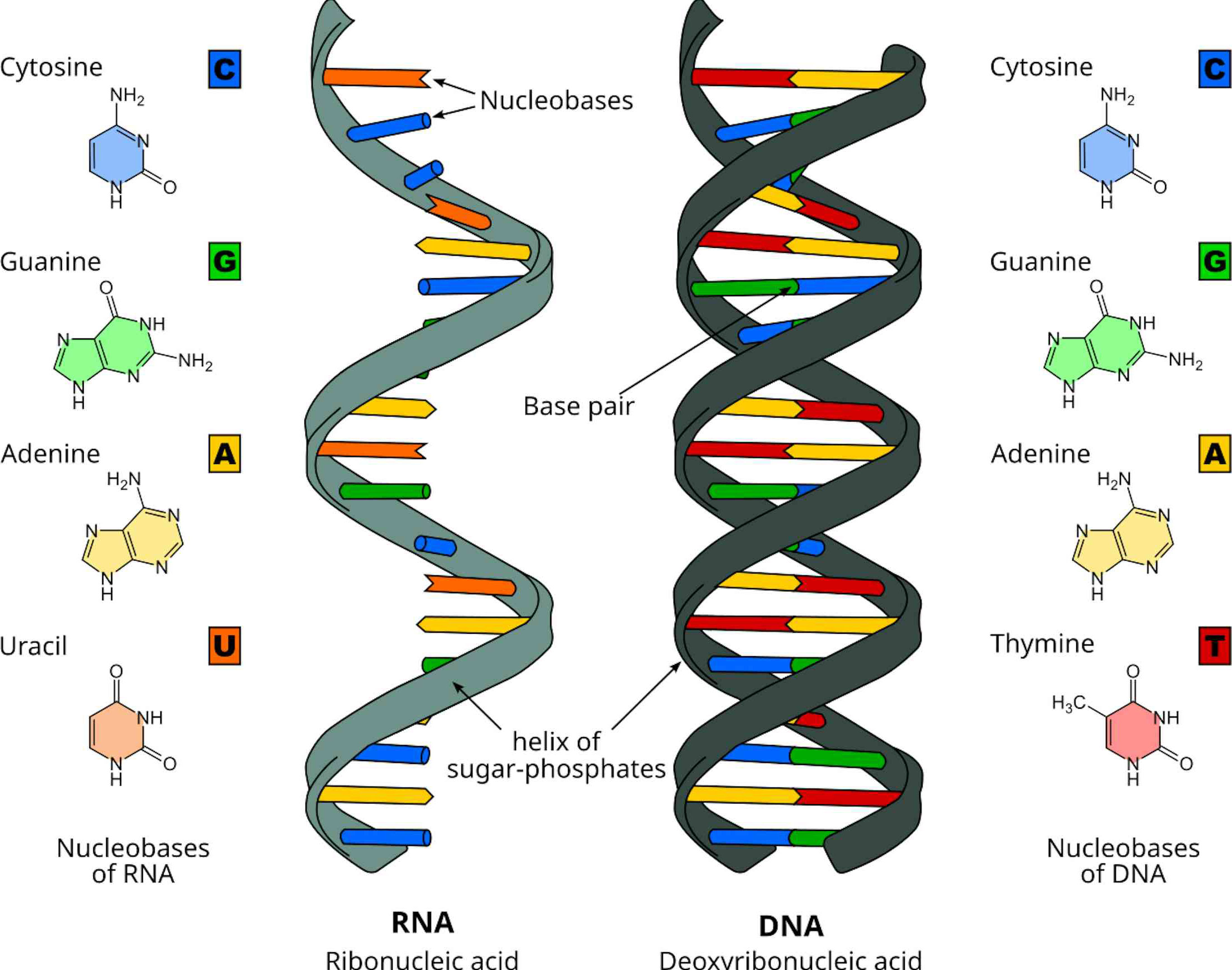
Why look for nucleobases?
Nucleobases are nitrogen-containing organic molecules that act as the “letters” of genetic information in DNA and RNA. The five main nucleobases are adenine and guanine (known as purines), along with cytosine, thymine, and uracil (known as pyrimidines).
These molecules combine with sugars and phosphates to yield nucleotides – the building blocks of genetic material. Without nucleobases, the genetic code that allows organisms to grow, reproduce and evolve would not exist.
By studying purines and pyrimidines in Ryugu samples, scientists can reconstruct the chemical history of primitive asteroids. In turn, this gives us a better understanding of how the building blocks of life may have been formed and existed across the Solar System.
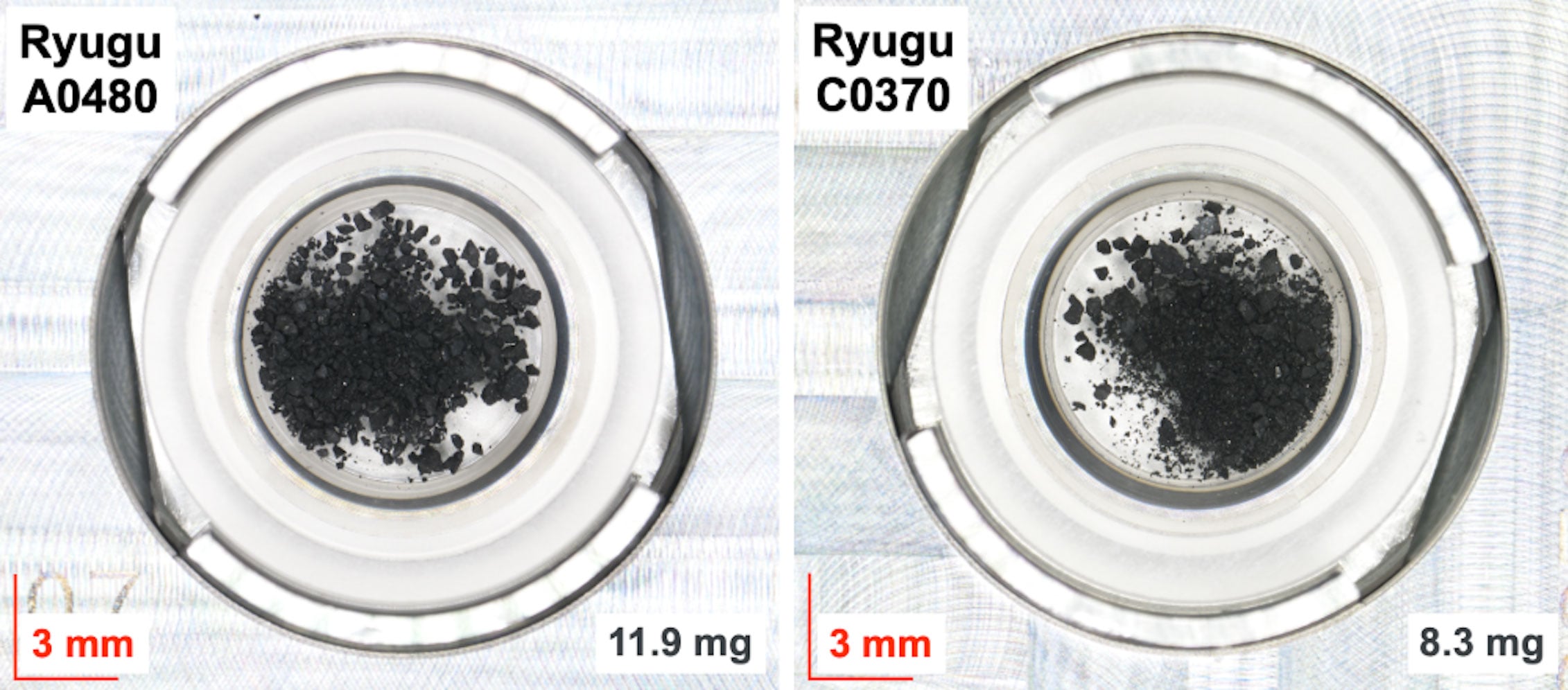
Hayabusa2 delivered a total of 5.4 grams of pristine asteroid material. Researchers have to use ultra-clean lab conditions to avoid contaminating it. They extracted organic molecules using water and hydrochloric acid, and then purified them for further detection.
They found all five nucleobases in the two Ryugu samples they analyzed, in roughly similar amounts.
Key components of genetic material – in space
The new results align with previous findings on space rocks. The Murchison meteorite that fell in Australia in 1969, and the Orgueil meteorite in France in 1864, have previously yielded a wide variety of organic molecules, including nucleobases.
Of course, meteorites that land on Earth can be contaminated by their journey and landing. But pristine samples from NASA’s mission to asteroid Bennu also yielded all five nucleobases in 2025.
Asteroids such as Ryugu, Bennu, and the parent body of the Orgueil meteorite are remnants of the early Solar System. They can preserve materials largely unchanged for about 4.5 billion years.
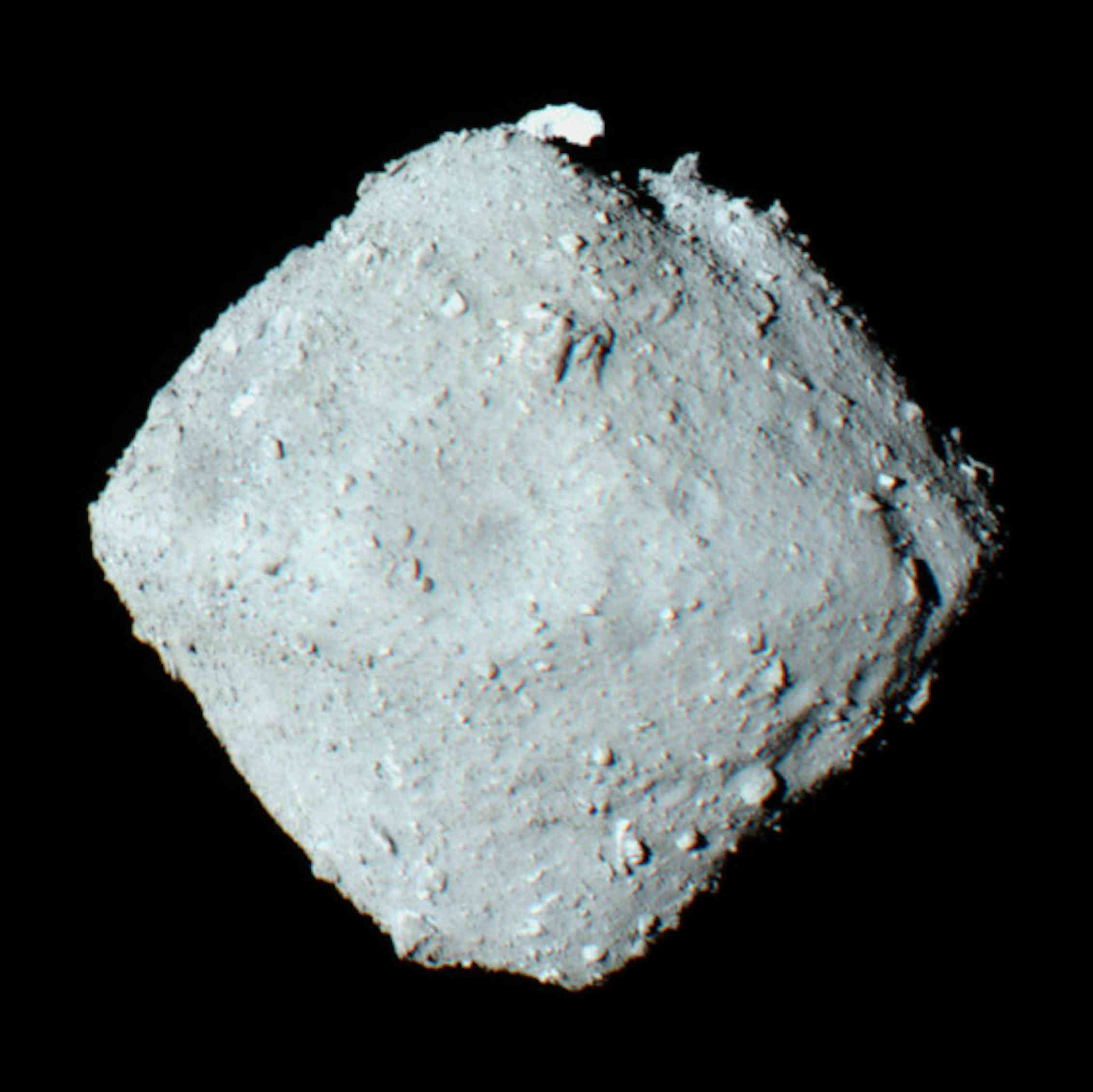
Interestingly, these asteroids show chemical differences. Murchison is enriched in purines, while Bennu and Orgueil contain more pyrimidines. It is thought this balance may be influenced by ammonia, a key molecule that can shape which nucleobases can form.
By peering into Ryugu’s relatively pristine samples and comparing them with meteorites like Murchison and Orgueil, researchers are tracing the cosmic journey of life’s probable molecular ingredients.
Their results suggest key components of genetic material may have formed in space and later delivered to the early Earth. In other words, the story of life on our planet may be deeply connected to the chemistry of such ancient asteroids.
A path for the ingredients of life
Together, these discoveries show that carbon-rich asteroids throughout the Solar System contain diverse prebiotic chemistry. However, the precise mixture of molecules – such as the balance between purines and pyrimidines – varies depending on the asteroid’s chemical environment and history.
Because the Ryugu samples were collected directly in space and protected from Earth’s contamination, they provide one of the clearest views of ancient Solar System chemistry.
The discovery of all five nucleobases on Ryugu suggests the molecular ingredients of life may have already been forming in space billions of years ago. Asteroids may have helped deliver those ingredients to the early Earth – making the origin of life part of a much larger cosmic chemical story.
Reference: “A complete set of canonical nucleobases in the carbonaceous asteroid (162173) Ryugu” by Toshiki Koga, Yasuhiro Oba, Yoshinori Takano, Hiroshi Naraoka, Nanako O. Ogawa, Kazunori Sasaki, Hajime Sato, Toshihiro Yoshimura and Naohiko Ohkouchi, 16 March 2026, Nature Astronomy.
DOI: 10.1038/s41550-026-02791-z
This work was supported by the Japan Society for the Promotion of Science (KAKENHI Grant Nos. 21J00504 and 25K17463 to T.K., 21KK0062 to Y.T., 21H04501, 21H05414 and 25H00677 to Y.O. and 23H00148 to H.N.). This research was partially supported by a joint project of the Institute of Low Temperature Science, Hokkaido University.
Adapted from an article originally published in The Conversation.
Never miss a breakthrough: Join the SciTechDaily newsletter.
Follow us on Google and Google News.
8 Comments
A “Genesis” rock?
You said it better than.me !
But I was wondering the same thing.
Might they find more such material scattered in our solar system ? scattered throughout our galaxy ? scattered throughout space itself ?
So its best to say life can exist as it does here elsewhere. Would they also have developed the same way we have. And have they developed a common language. And have they been trying to communicate with us this entire time.
I have all the ingredients in my kitchen to make a birthday cake I hope it self assembled before my birthday.
Depends which birthday you want it by…
This definitely needs some scientific verification. There is entirely too much “coincidence” in wildly disparate sources. Some sort of contamination which is common to the various studies may be responsible for these results.
So its best to say life can exist as it does here elsewhere. Would they also have developed the same way we have. And have they developed a common language. And have they been trying to communicate with us this entire time.
Yes, absolutely. The chance that another civilisation like our existing is almost a certainty, given the vastness of the cosmos. There are about a billion stars in our galaxy. There are a TRILLION galaxies in the universe, or more. There are much more than a trillion billion stars. 1,000,000,000,000,000,000,000,000 at least. Those are STARS, not planets. At those odds, there is absolutely other life. It is a guarantee.
However, due to the vastness of space, trying to get a signal out there to another life bearing planet is like trying to hit a bullseye while you’re blindfolded, and the dart board is also 100 kilometers away, and also not built until 100 years in the future.