
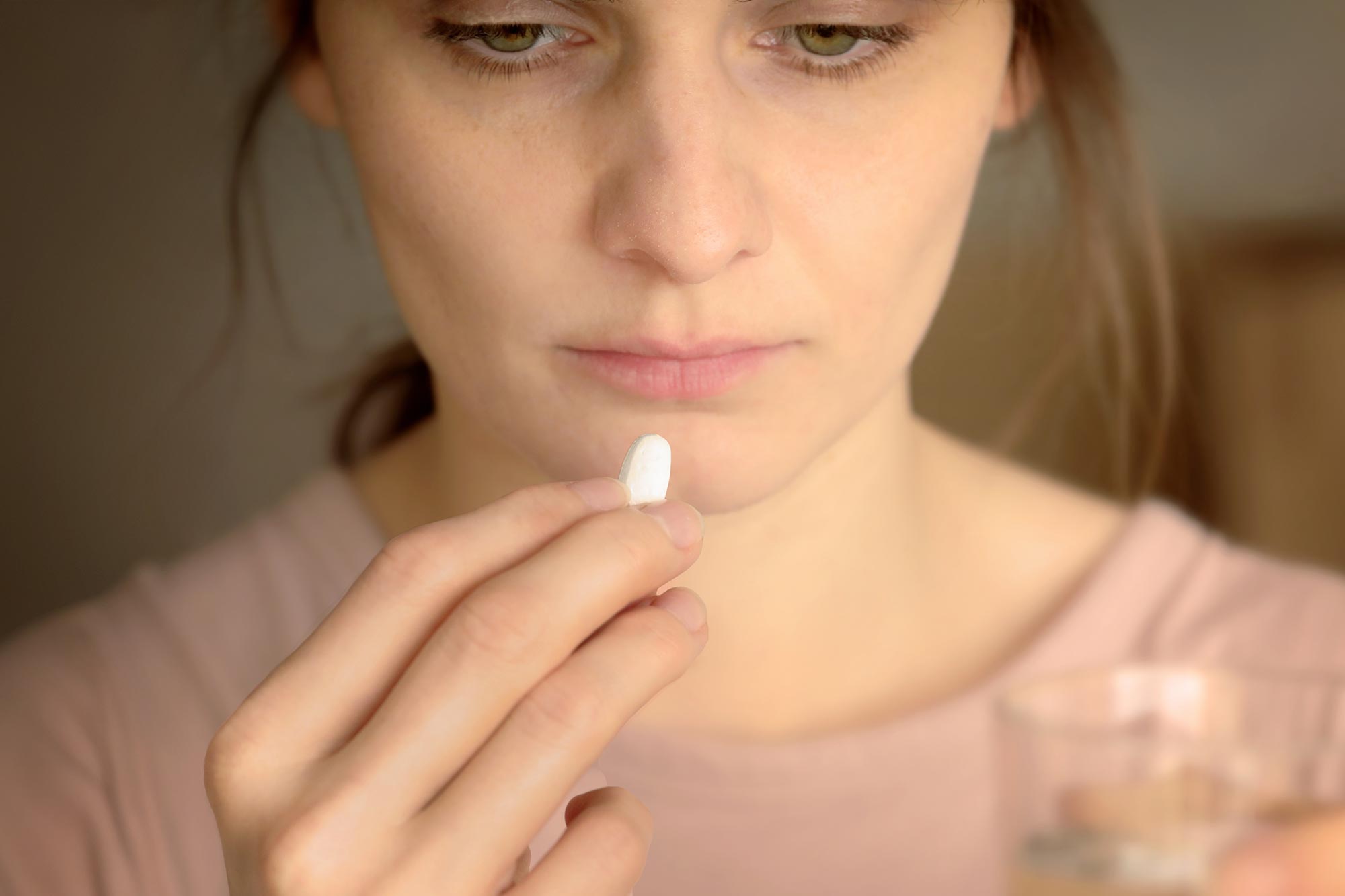
A new study suggests that altering the gut microbiome with probiotics may provide additional benefits for older adults being treated for depression.
Could a daily probiotic help ease depression in older adults? A new clinical trial suggests the answer may be yes, adding to growing evidence that the gut and brain are more connected than scientists once believed.
Researchers in India found that older adults with moderate depression who took a probiotic supplement alongside standard antidepressant treatment reported somewhat greater improvements in depression and anxiety symptoms than those who received a placebo. The study also uncovered biological changes that may help explain why.
Testing Probiotics as an Add-On Treatment
Published in the Journal of the American Geriatrics Society, the pilot trial enrolled 58 adults aged 60 and older with moderate depression. Participants were randomly assigned to receive either a daily probiotic containing Lactobacillus helveticus and Bifidobacterium longum or a placebo for 12 weeks while continuing their prescribed depression treatment. They were then followed for another 12 weeks.
Both groups improved substantially over the six-month study period, reflecting the benefits of ongoing care. However, people taking probiotics consistently scored lower on standard measures of depression and anxiety than those taking a placebo.
Probiotics seemed to influence more than just mood-related symptoms. People who received the probiotic supplement had higher levels of brain-derived neurotrophic factor (BDNF), a protein that helps brain cells grow, survive, and function properly and is often associated with recovery from depression.
Researchers also found a substantial increase in the probiotic strains within participants’ gut microbiomes, suggesting that the supplements successfully changed the composition of gut bacteria.
Benefits and Limitations
Despite the encouraging results, probiotics were not a cure-all. They did not provide a measurable advantage in quality of life, and cognitive performance remained largely unchanged. Researchers also cautioned that the study was small and experienced a high dropout rate, meaning the findings should be viewed as preliminary until confirmed in larger trials.
The probiotics were generally well tolerated. No serious psychiatric side effects were reported, although a handful of participants experienced mild digestive symptoms such as bloating, constipation, or abdominal fullness during the first few weeks.
The findings are particularly notable because depression in older adults can be difficult to treat. Antidepressants often produce only partial relief, and many patients continue to struggle with lingering symptoms.
“The results of our study are novel, and we are now planning a follow-up, larger-scale clinical trial due to the encouraging findings,” said co-corresponding author Dr. Saibal Das of the Indian Council of Medical Research National Institute for Research in Bacterial Infections in Kolkata.
“My vision is to develop affordable healthcare solutions and make them available to the larger population for meaningful public health impact,” added co-corresponding author Abhinaba Ghosh, a physician-neuroscientist at Tata Medical Center in Kolkata.
Reference: “Efficacy of Adjunct PRObiotics as Compared to the Standard Care in Moderate Unipolar Depression Among Geriatric Patients: A Randomized Double-Blind Placebo-Controlled Pilot Multi-Center Trial (PRODG)” by Preeti Sinha, Prasun Chatterjee, Preethy Kathiresan, Karishma Sundara Raju, Rasika Panwar, Aparna Mukherjee, Gunjan Kumar, Jerin Jose Cherian, Anoop Velayuthan, Avinash Chakrawarty, Sarnendu Mondal, Manoj Kalita, Spriha Kamboj, Sreyashi Sen, Mounamukhar Bhattacharjee, Manaswini Mondal, Kalyan Bhowmik, Sovonlal Mukherjee, Indranil Saha, Atanu Kumar Dutta, Asim Saha, Amit Chakrabarti, Abhinaba Ghosh and Saibal Das, 17 June 2026, Journal of the American Geriatrics Society.
DOI: 10.1111/jgs.70530
Never miss a breakthrough: Join the SciTechDaily newsletter.
Follow us on Google and Google News.