
A £3 million investment could help secure a leading UK role in NASA’s future search for life on nearby planets.
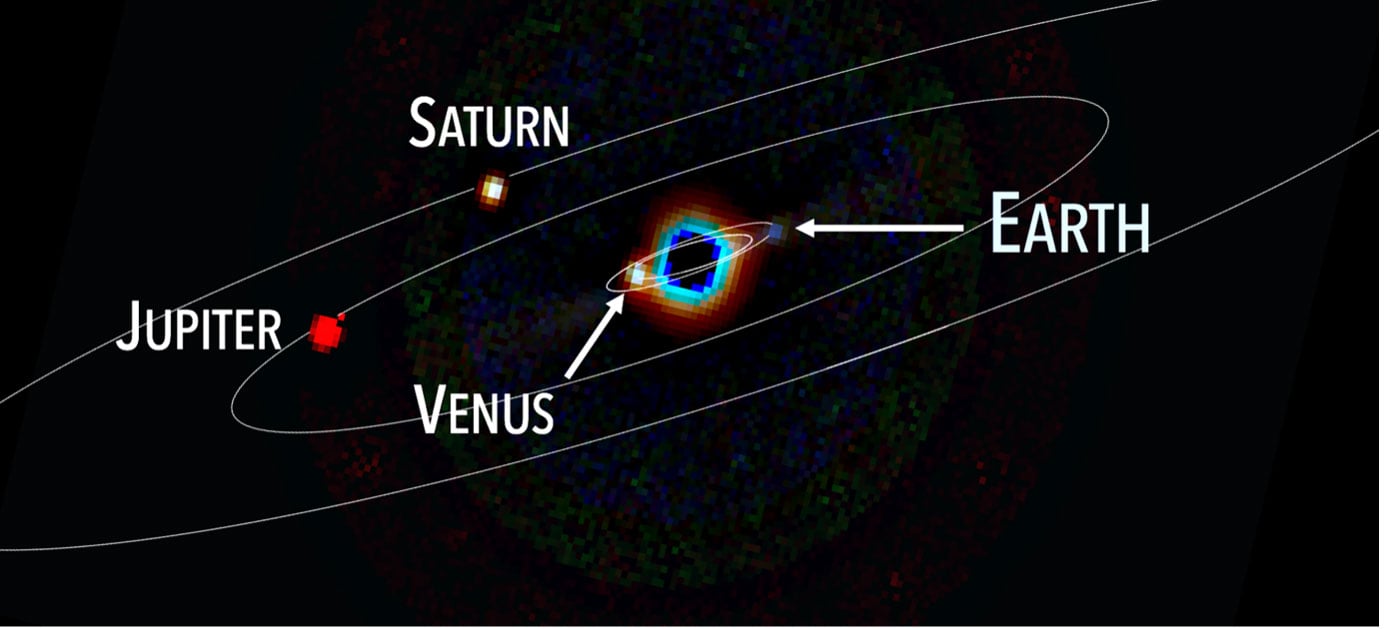
An Earth-like planet orbiting a nearby star would appear as little more than a dim point beside a light source 10 billion times brighter. British astronomers are preparing technology that could help NASA separate that faint planetary signal from the glare and search its atmosphere for possible evidence of life.
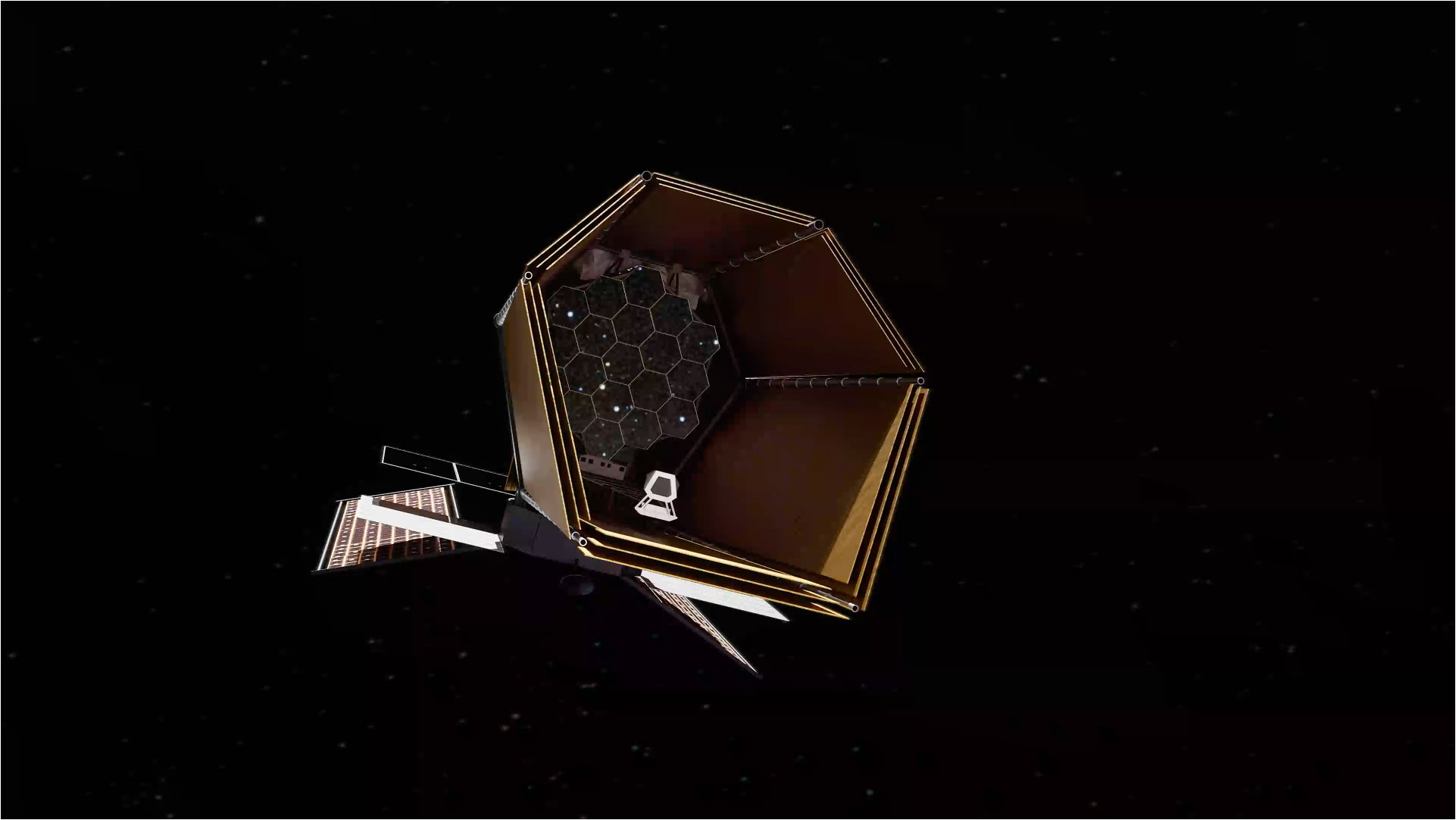
The UK Space Agency (UKSA) has awarded researchers £3 million to continue developing a proposed core instrument for NASA’s Habitable Worlds Observatory (HWO). Expected to launch in the 2040s, HWO is planned as NASA’s next flagship space telescope after the Nancy Grace Roman Space Telescope.
The latest funding expands a series of UK-led instrument studies that have already been shared with NASA. Those studies are helping guide the observatory as it enters its next stage of development.
“The Habitable Worlds Observatory is one of the most exciting space science missions now under development,” said Professor Martin Barstow, of the University of Leicester, who is playing a leading role in the UK’s involvement and gave an update on the mission at the Royal Astronomical Society’s National Astronomy Meeting in Birmingham.
“It will tackle one of the biggest questions in science: are we alone in the universe? By searching for Earth-like planets and studying their atmospheres, the HWO will look for evidence of life beyond our Solar System.”
Finding another Earth demands atomic precision
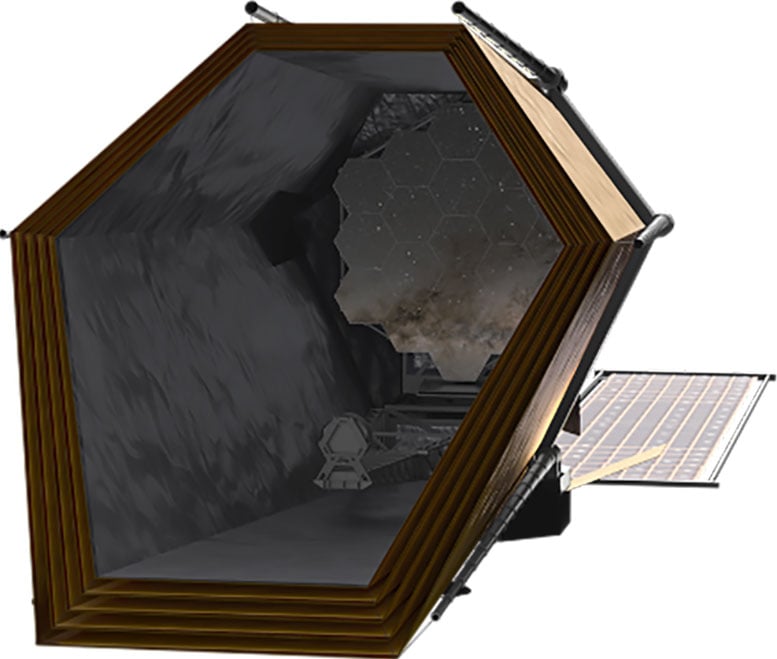
Directly imaging a planet resembling Earth will require extraordinary control. HWO’s 8-meter mirror will need to remain stable to within roughly the width of an atom while the telescope blocks the overwhelming light of the planet’s host star.
The challenge has been compared to trying to photograph a moth beside a flamethrower. Unless the starlight is suppressed with extreme precision, the much weaker light reflected by the planet would disappear in the glare.
Professor Barstow added: “The UK has a long history of making major contributions to NASA’s flagship observatories, from Hubble to the James Webb Space Telescope, and we are now in a strong position to lead the development of one of HWO’s core scientific instruments.”
Vincent Van Eylen, Associate Professor in Exoplanets at UCL’s Mullard Space Science Laboratory, called HWO “one of the most exciting missions of my lifetime.”
He added: “It will be the first telescope designed to search for evidence of life on distant planets. Imagine for a moment it finds evidence of life out there. What an achievement that would be!
“It’s fantastic that the UK Space Agency is ensuring that UK scientists and engineers will have a leading role in this exciting project.”
Britain targets a core instrument role
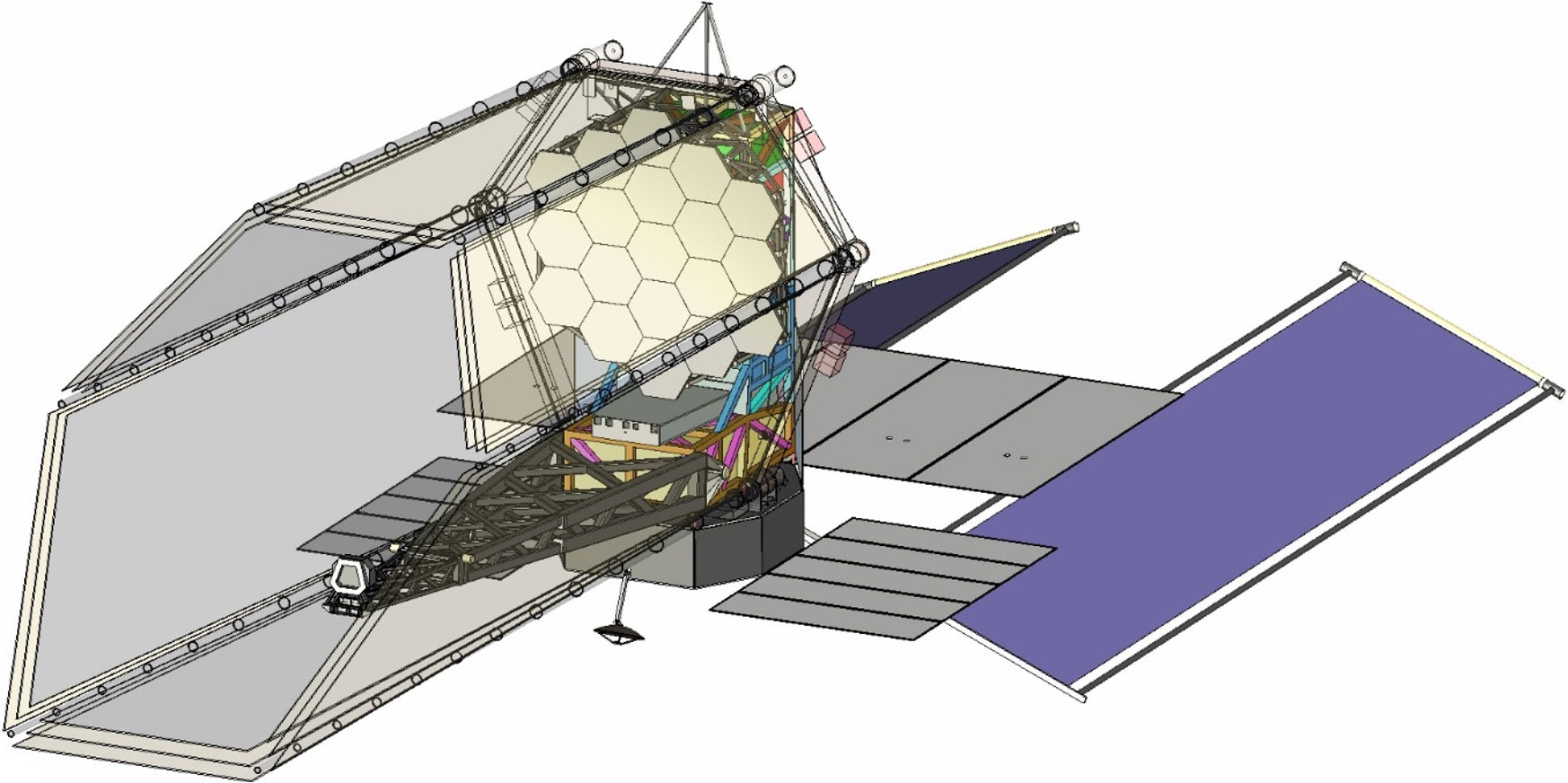
UK researchers are leading work on HWO’s proposed High Resolution Imager (HRI) and Multi-Object Spectrograph (MOS), which are expected to become central components of the observatory.
The new £3 million award from UKSA will allow the group to increase the scale of its efforts and advance the technologies required to turn the instrument designs into working hardware. It builds on earlier studies while substantially broadening the development program.
Dr Caroline Harper, Head of Space Science at the UK Space Agency, said: “This UK Space Agency funding is a significant step forward in securing the UK’s place at the heart of one of the most ambitious space science missions ever conceived.
“Habitable Worlds Observatory is being designed to answer whether we are alone in the universe and will require technological advances as well as scientific breakthroughs. That’s why we’re backing UK scientists and engineers to lead one of its core instruments.”
The collaboration brings together researchers from Durham University, The Open University, the University of Leicester, RAL Space, the University of Portsmouth, the University of Oxford, the UK’s Astronomy Technology Centre (ATC) and UCL’s Mullard Space Science Laboratory.
Funding cuts could erode future leadership
The telescope is not expected to begin operating for about two decades. That means many of the younger scientists working in British research today will be responsible for using its data and leading its discoveries when the mission launches.
Those researchers are currently facing considerable uncertainty as funding cuts affect institutions and scientific programs across the country. Barstow warned that developing the hardware alone will not guarantee a meaningful British role in the mission.
“The UK Space Agency is supporting instrument development for HWO, but that would be a waste if there is not a community of scientists ready to exploit it in the 2040s,” Professor Barstow cautioned.
“The decisions we make over the next few years will determine whether UK scientists are at the forefront of those discoveries for decades to come.”
According to Barstow, long-term support will be necessary to preserve both the technical skills needed to build the UK’s contribution and the scientific knowledge required to make full use of the observatory.
“The proposed cuts affecting key institutes and research groups involved in the mission could weaken Britain’s ability to lead one of the world-leading observatory’s core instruments and fully exploit the science when HWO begins operations in two decades’ time,” Professor Barstow added.
Nearby stars offer the best targets
HWO’s primary objective will be to identify Earth-like planets around nearby stars and analyze their atmospheres for possible evidence of life.
Instead of attempting to survey the entire Milky Way, the observatory will concentrate on Earth’s local cosmic neighborhood. Astronomers expect it to directly examine potentially Earth-like worlds around stars within about 30 light-years and search their atmospheres for chemical signs that could be associated with life.
The telescope will also operate as a general-purpose observatory. Like the Hubble Space Telescope and James Webb Space Telescope (JWST), it is expected to support research ranging from planets and stars to distant galaxies and the history of the universe.
NASA will lead the project, while international partners are expected to supply major parts of the observatory. The UK plans to design and construct one of the cameras positioned at the telescope’s focal plane, where incoming light will be collected for scientific measurements. British researchers also expect to contribute to additional systems.
During the past three years, the UK astronomy community has organized national workshops with support from the Science and Technology Facilities Council (STFC). These meetings have brought universities, laboratories, and industry together to identify scientific priorities and coordinate the country’s possible role.
British scientists previously made important contributions to the Hubble mission and led the European consortium responsible for the Mid-Infrared Instrument (MIRI) aboard JWST.
The next round of UK instrument studies is expected to start next month while NASA continues developing HWO with scientists and engineers from around the world.
HWO is intended to become the first of NASA’s next generation of flagship “Great Observatories.” Building on Hubble and Webb, it will be designed to investigate planets, stars and galaxies while pursuing one of science’s most enduring questions: whether life exists elsewhere in the universe.
Meeting: National Astronomy Meeting 2026
Never miss a breakthrough: Join the SciTechDaily newsletter.
Follow us on Google and Google News.