

Researchers have uncovered the crucial role of Lactobacillus in stress management and the potential prevention of depression and anxiety, paving the way for new probiotic-based treatments for mental health conditions.
University of Virginia School of Medicine researchers have discovered how Lactobacillus, a bacterium found in fermented foods and yogurt, helps the body manage stress and may help prevent depression and anxiety. The findings open the door to new therapies to treat anxiety, depression, and other mental health conditions.
Role of Lactobacillus in Mental Health
The new research from UVA’s Alban Gaultier, Ph.D., and collaborators is notable because it pinpoints the role of Lactobacillus, separating it out from all the other microorganisms that naturally live in and on our bodies. These organisms are collectively known as the microbiota, and scientists have increasingly sought to target them to battle disease and improve our health. UVA’s new research represents a major step forward in that effort, providing scientists an innovative new approach to understand the role of individual microbes that could facilitate the development of new treatments and cures for a wide variety of diseases, both mental and physical.
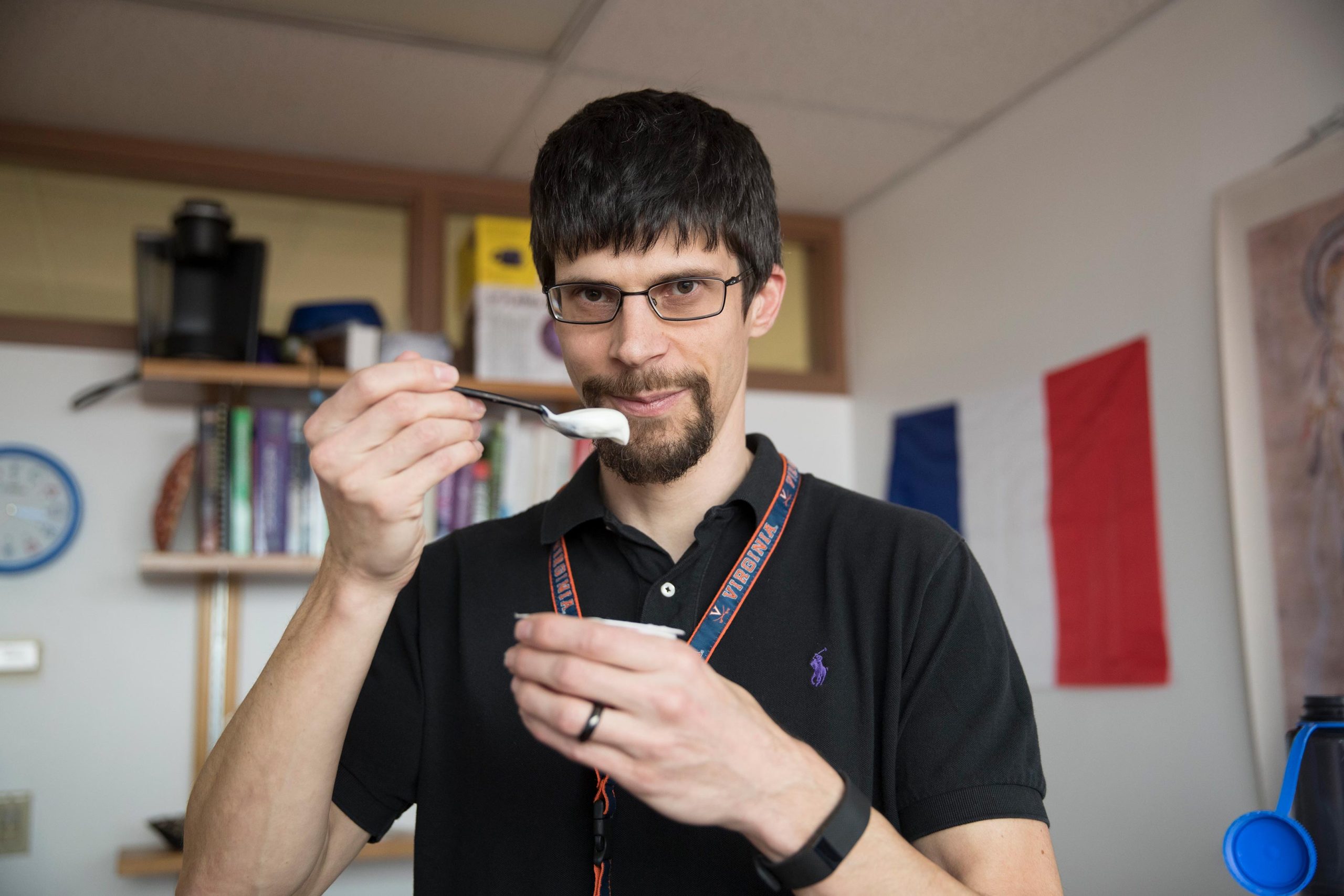
“Our discovery illuminates how gut-resident Lactobacillus influences mood disorders, by tuning the immune system,” said Gaultier, of UVA’s Department of Neuroscience, the Center for Brain Immunology and Glia (BIG Center) and the TransUniversity Microbiome Initiative. “Our research could pave the way towards discovering much-needed therapeutics for anxiety and depression.”
The Microbiota and Depression
Our guts are naturally home to countless bacteria, fungi, and viruses. There are more microorganisms living in and on us than there are cells in our bodies. That may sound disgusting, even alarming, but scientists have increasingly realized that these tiny organisms and their endless interactions are critical to our immune systems’ health, our mental health, and many other facets of our well-being. Disruptions of the microbiota, whether from illness, poor diet, or other causes, are known to contribute to many diseases and even help cancer spread. So, researchers have been hugely excited in recent years about the potential to battle diseases by targeting the microbiota.
Early attempts to manipulate the gut flora with beneficial bacteria, called probiotics, have produced mixed results. A big part of the problem has been the sheer complexity of the microbiome. It’s estimated that there are 39 trillion microorganisms inside each of us, so trying to understand what specific bacteria or fungi do – much less how they interact with all the other microorganisms and their host – can be like trying to count grains of sand on the beach.
Innovative Research Approach
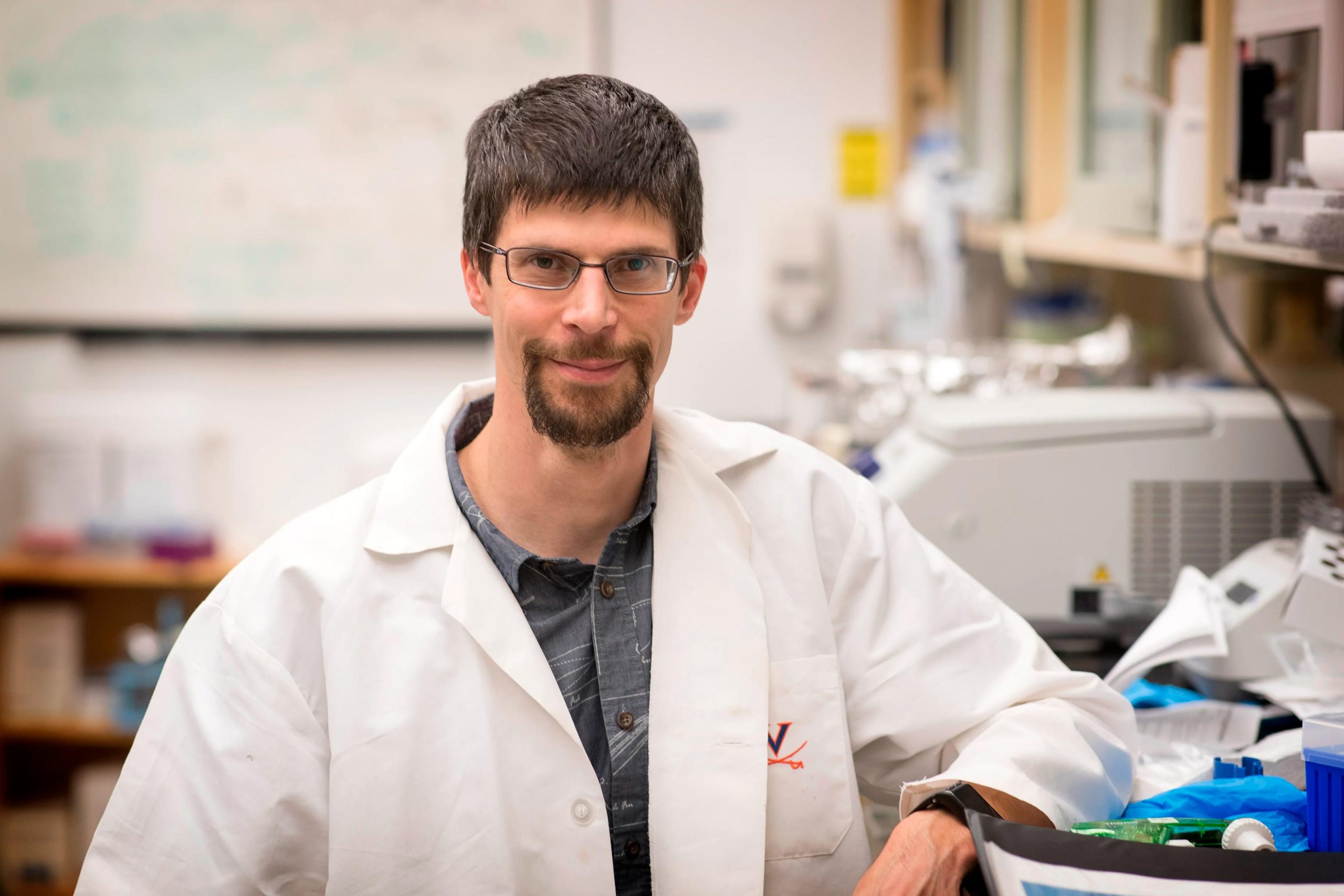
Gaultier and his team took an innovative approach to hone in on Lactobacilli in specific. Prior research from Gaultier’s lab suggested that the bacteria could reverse depression in lab mice – a hugely promising finding. However, the researchers needed to understand how.
“We were aware from our prior research that Lactobacillus was beneficial in improving mood disorders and was lost following psychological stress, but the underlying reasons remained unclear, primarily due to the technical challenges associated with studying the microbiome.”
Gaultier and his team decided to continue their depression research using a collection of bacteria, known as Altered Schaedler Flora, which includes two strains of Lactobacillus and six other bacterial strains. With this rarely used bacterial community, the team was able to create mice both with and without Lactobacillus, circumventing the need for antibiotics.
Breakthrough Findings
Sure enough, the Altered Schaedler Flora produced exciting results. Gaultier and his colleagues were able to explain exactly how Lactobacilli influence behavior, and how a lack of the bacteria can worsen depression and anxiety. Lactobacilli in the family Lactobaccillacea, they found, maintain the levels of an immune mediator called interferon gamma that regulates the body’s response to stress and helps stave off depression.
Armed with this information, researchers are poised to develop new ways to prevent and treat depression and other mental-health conditions in which Lactobacillus plays an important role. For example, patients struggling with (or at risk for) depression might one day take specially formulated probiotic supplements that will optimize their levels of helpful Lactobacillus.
“With these results in hand, we have new tools to optimize the development of probiotics, which should speed up discoveries for novel therapies,” said researcher Andrea R. Merchak, Ph.D. “Most importantly, we can now explore how maintaining a healthy level of Lactobacillus and/or interferon gamma could be investigated to prevent and treat anxiety and depression.”
The UVA scientists have published their findings in the journal Brain Behavior and Immunity.
Reference: “Lactobacillus from the Altered Schaedler Flora maintain IFNγ homeostasis to promote behavioral stress resilience” by Andrea R. Merchak, Samuel Wachamo, Lucille C. Brown, Alisha Thakur, Brett Moreau, Ryan M. Brown, Courtney R. Rivet-Noor, Tula Raghavan and Alban Gaultier, 3 November 2023, Brain, Behavior, and Immunity.
DOI: 10.1016/j.bbi.2023.11.001
The research team consisted of Merchak, Samuel Wachamo, Lucille C. Brown, Alisha Thakur, Brett Moreau, Ryan M. Brown, Courtney Rivet-Noor, Tula Raghavan and Gaultier. The researchers have no financial interest in the work.
The work was supported by the National Institutes of Health, grants T32 NS115657, T32 GM008136, F31 AI174782, T32 GM007267 and T32 GM148379; the Owens Family Foundation; the Miller Family; the UVA TransUniversity Microbiome Initiative; and the UVA Presidential Fellowship in Neuroscience.
UVA’s TransUniversity Microbiome Initiative, or TUMI, serves as the central hub for the University’s cutting-edge microbiome research. The initiative aims to expand our understanding of the microbiome to better treat and prevent disease.
Never miss a breakthrough: Join the SciTechDaily newsletter.
Follow us on Google and Google News.