
Research indicates the potential to prevent the occurrence of Graft versus Host Disease.
Researchers at the University of Michigan Health Rogel Cancer Center have identified a promising approach to reduce a frequent and serious risk associated with stem cell transplants from donor blood or bone marrow.
Approximately 18,000 people per year in the United States are diagnosed with life-threatening illnesses, including blood cancers where a blood or bone marrow stem cell transplant from a donor is their best treatment option. Each year, approximately 9,000 of these transplants are carried out in the U.S.
Understanding Graft versus Host Disease
When patients receive a stem cell transplant, they get a new immune system from the donor whose job is to attack cells that don’t belong there including cancer cells.
Sometimes, however, those donor immune cells (the graft) begin to see the patient’s own body (the host) as unfamiliar and foreign. As a result, the donor cells may attack the patient’s own organs and tissues, causing Graft versus Host Disease.
GVHD develops in up to half of patients who receive stem cell transplants from a donor’s blood or bone marrow. It can affect many parts of the body and can range from mild or moderate to more severe and even life-threatening.
The Challenge of Treating GVHD
The way to prevent and treat GVHD is by using strong medicines to suppress the immune system which can cause patients to get infections which can also be life-threatening. Therefore, while bone marrow and blood stem cell transplants from a donor are lifesaving for many patients with various serious illnesses, the development of GVHD can cause injury or even death and the treatments available for GVHD are risky.
Previous research showed that the bacteria that normally live in the intestines and their products can affect whether or not GVHD happens after a transplant.
Potential Breakthrough with Potato Starch
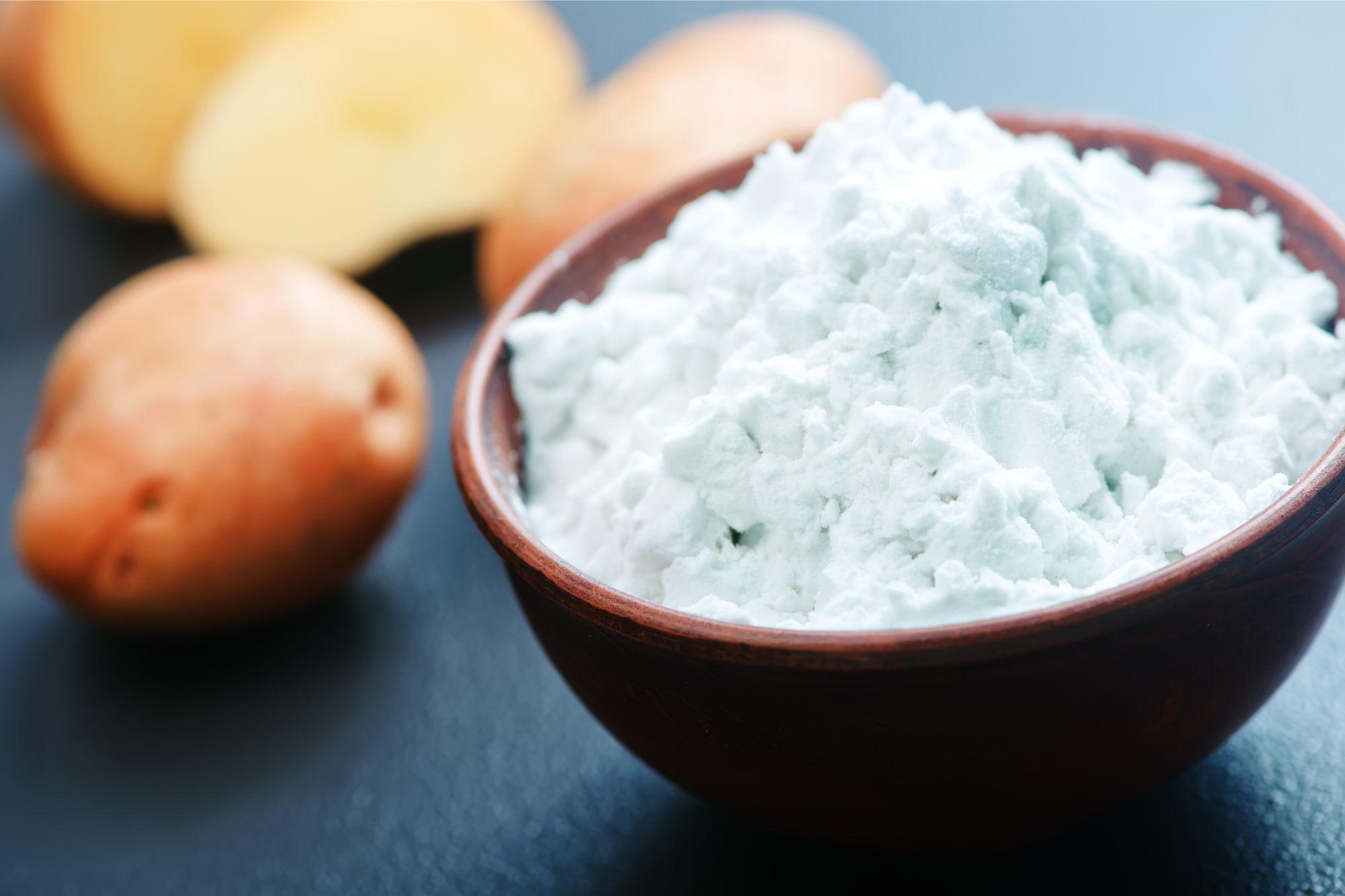
Researchers have found that a food supplement made from potato starch, when given to ten patients who received stem cell transplants from a donor, changed the products of intestinal bacteria in a way that could potentially prevent GVHD from happening.
“GVHD is a major limitation to the lifesaving capability of blood or marrow stem cell transplants. It is exciting to think of the prospect of potentially finding a simple, low-cost, and safe approach to mitigating this dangerous complication for patients who need a stem cell transplant, but researching this approach in more patients is still needed to confirm,” said Mary Riwes, D.O., assistant professor of internal medicine and medical director of the inpatient adult stem cell transplant unit of the Medical Directors Partnering to Lead Along with Nurse Managers program.
Investigators are currently enrolling more patients for a second phase of this study to determine whether taking potato starch will indeed result in less GVHD after stem cell transplant. Sixty patients undergoing a blood or bone marrow stem cell transplant from a donor who are ten years or older will be randomized to take potato starch or placebo starch in addition to taking all the usual medications for preventing GVHD with 80% receiving potato starch and 20% placebo starch. This phase II clinical trial will help researchers learn whether or not taking potato starch is an effective intervention for preventing GVHD.
Reference: “Feasibility of a dietary intervention to modify gut microbial metabolism in patients with hematopoietic stem cell transplantation” by Mary M. Riwes, Jonathan L. Golob, John Magenau, Mengrou Shan, Gregory Dick, Thomas Braun, Thomas M. Schmidt, Attaphol Pawarode, Sarah Anand, Monalisa Ghosh, John Maciejewski, Darren King, Sung Choi, Gregory Yanik, Marcus Geer, Ethan Hillman, Costas A. Lyssiotis, Muneesh Tewari and Pavan Reddy, 19 October 2023, Nature Medicine.
DOI: 10.1038/s41591-023-02587-y
More information about this Phase II trial can be found on Clinicaltrials.gov identifier: NCT02763033
Funding/disclosures: Thanks to the volunteers who participated in the study and the clinical and research staff of the University of Michigan Bone Marrow Transplant program. This work was supported by the National Heart, Lung, and Blood Institute (grant no. P01 HL149633, P.R., M.T., M.M.R.) which facilitated all bio sample analyses. The funder had no role in the design and analysis of the study. Resistant starch was purchased using institutional startup funds (M.M.R).
Never miss a breakthrough: Join the SciTechDaily newsletter.
Follow us on Google and Google News.