

Researchers at UCLA found that creatine not only enhances cancer-fighting killer T cells but also strengthens dendritic cells, which activate and direct T cells to attack tumors.
Creatine, a supplement widely used by athletes and bodybuilders, may also strengthen the immune system’s ability to fight cancer, according to new research from UCLA.
Published in iScience, the study examined mouse models and human cells. It expands on previous findings from the same research team showing that creatine boosts the activity of killer T cells, which destroy cancer cells. The new research found that creatine also supports dendritic cells, the immune cells responsible for detecting tumor material and activating killer T cells to launch an attack.
Although many approved cancer immunotherapies target killer T cells, only about 20% to 40% of patients benefit from these treatments. Enhancing dendritic cells, which prepare and activate T cells, could improve the effectiveness of immunotherapy for more people.
“Immunotherapy has shown remarkable promise, but it only works for a subset of patients,” said Lili Yang, the study’s senior author, a professor of microbiology, immunology, and molecular genetics and a member of the Eli and Edythe Broad Center of Regenerative Medicine and Stem Cell Research at UCLA. “What this study shows is that creatine doesn’t just help the T cells fighting cancer—it also energizes the entire infrastructure that supports and guides them. That makes creatine a promising supplement to holistically support the immune response that modern immunotherapies depend on.”
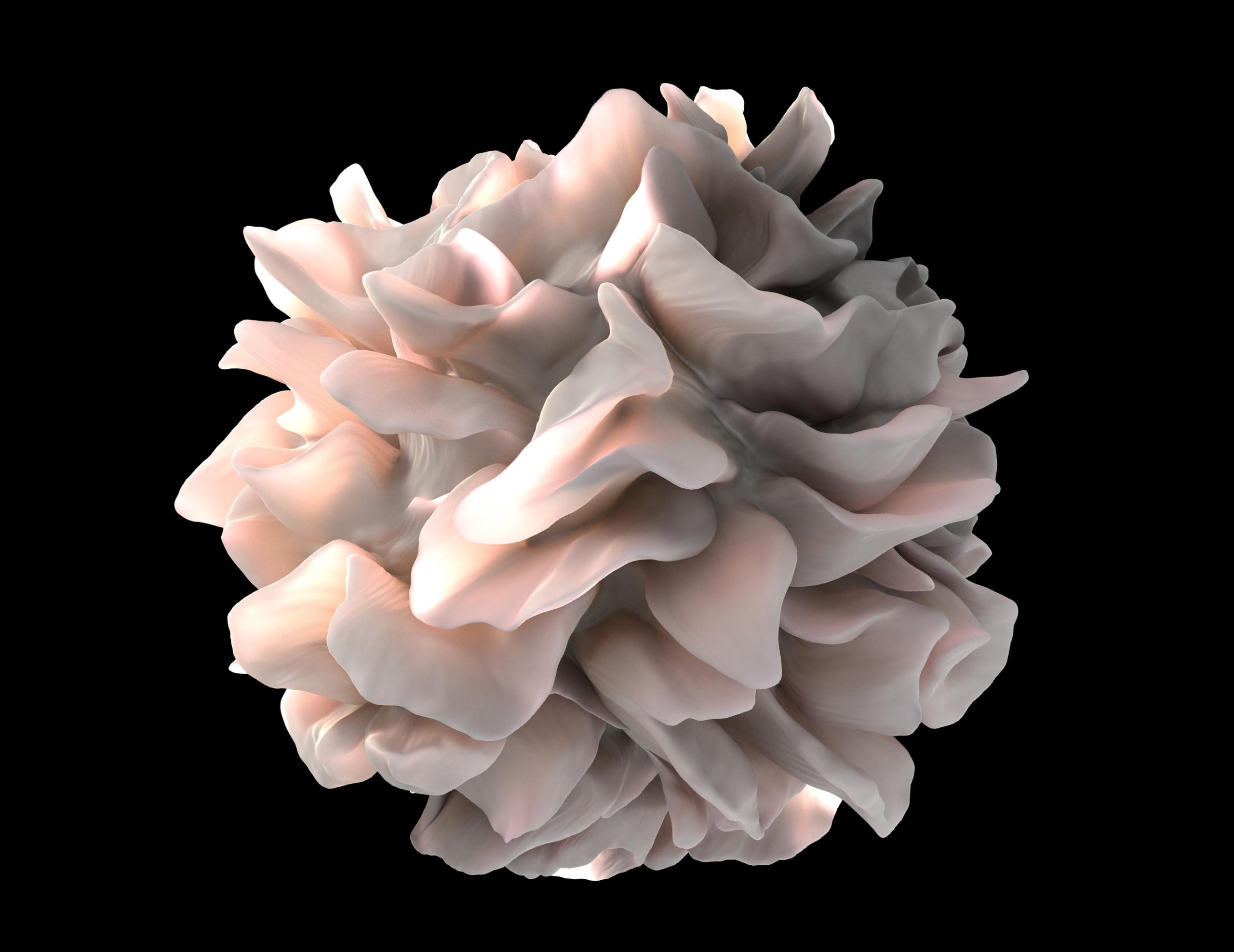
How Creatine Powers Dendritic Cells
The researchers first analyzed which metabolic genes were most active in dendritic cells that had entered tumors in mice. They found that dendritic cells inside tumors produced much higher levels of the gene responsible for the creatine transporter, the protein that moves creatine into cells, than dendritic cells found in healthy tissue.
To understand the significance of this finding, the team engineered dendritic cells without the creatine transporter. These altered cells survived less effectively, showed lower levels of activation, and were less capable of preparing T cells to attack tumors. When these creatine-deficient dendritic cells were cultured with T cells, the T cells multiplied less and released fewer signaling molecules needed for an effective anti-cancer response.
Next, the researchers investigated whether increasing creatine could improve dendritic cell performance. Daily creatine injections in mouse models of melanoma slowed tumor growth while increasing both the number and activity of dendritic cells within tumors. The treated dendritic cells also released more chemical signals that attracted additional immune cells to the tumor.

Creatine’s Potential for Cancer Immunotherapy
Metabolomics analysis showed that creatine supplementation increased ATP levels inside dendritic cells. ATP supplies the energy cells need to carry out nearly all of their functions. Higher ATP levels also helped maintain the inflammatory signaling pathways required for dendritic cell activation. The researchers compared creatine to a rechargeable battery that helps dendritic cells maintain a steady energy supply even while competing with rapidly growing tumor cells for nutrients.
The team also evaluated creatine in human dendritic cells. Treatment improved the activation of human monocyte-derived dendritic cells, which are commonly used to produce dendritic cell cancer vaccines. It also strengthened their ability to stimulate human T cells against a cancer-associated target. These findings suggest that adding creatine during the production of dendritic cell vaccines could make them more effective.
“The potential we see here is that creatine could be used in two complementary ways: as a supplement to enhance the immune response of patients already receiving immunotherapy, and as a tool to improve the quality of dendritic cell-based vaccines before they’re administered,” said James Elsten-Brown, a co-first author and graduate student in Yang’s lab.
Study Limitations and Next Steps
Overall, the results suggest creatine may strengthen the body’s anti-cancer immune response at several stages, including the immune cells that first recognize tumors and trigger the attack.
“Understanding how to metabolically support dendritic cells is about supporting the entire anti-tumor response, not just the killer T cells at the end of it,” said Elliot Kang, a co-first author of the study and former undergraduate student researcher in Yang’s lab.
The researchers stress that these findings come from experiments in cells and mice, not human patients. As a result, the study does not support any dietary or medical recommendations. Although creatine monohydrate has been used as a supplement for decades and is generally considered safe when taken at recommended doses, anyone receiving cancer treatment should speak with their doctor before taking any supplement.
The team plans to work with physicians on future clinical trials to determine whether creatine supplementation can improve outcomes for patients receiving immunotherapy.
The experimental approaches described in this study have not been tested in humans or approved by the Food and Drug Administration as safe and effective for human use.
Reference: “Creatine uptake promotes dendritic cell activation and enhances antitumor immunity” by Elliot Kang, James Elsten-Brown, Yu-Chen Wang, Ashley Lam, Elise Sanchez, Renee Wen, Tiffany Wang, Jennifer Chiang, Quentin Scarborough, Yan-Ruide Li, Yichen Zhu, Jie Huang, Matthew Williams, Sarah Eckl, Bo Li and Lili Yang, 21 March 2026, iScience.
DOI: 10.1016/j.isci.2026.115436
Funding for the study was provided by a UCLA Broad Stem Cell Research Center Rose Hills Foundation Innovator Grant; the UCLA Health Jonsson Comprehensive Cancer Center and UCLA Broad Stem Cell Research Center Ablon Scholars Program; and a Magnolia Council Senior Investigator Grant Award and a fellowship from the Tower Cancer Research Foundation.
Never miss a breakthrough: Join the SciTechDaily newsletter.
Follow us on Google and Google News.
2 Comments
Advances described inspire hope. Thank you.
Advances described inspire hope and invite stories of humans who have outlived cancer.,