
Close Menu
    Facebook X (Twitter) Instagram
    SciTechDaily
    • Biology
    • Chemistry
    • Earth
    • Health
    • Physics
    • Science
    • Space
    • Technology
    Facebook X (Twitter) Pinterest YouTube RSS
    SciTechDaily
    Home»Health»Researchers Discover a Potential Weak Spot in One of the Deadliest Brain Cancers
    Health

    Researchers Discover a Potential Weak Spot in One of the Deadliest Brain Cancers

    By Ohio State University Wexner Medical CenterAugust 15, 2026No Comments3 Mins Read
    Facebook Twitter Pinterest Telegram LinkedIn WhatsApp Email Reddit
    Share
    Facebook Twitter LinkedIn Pinterest Telegram Email Reddit
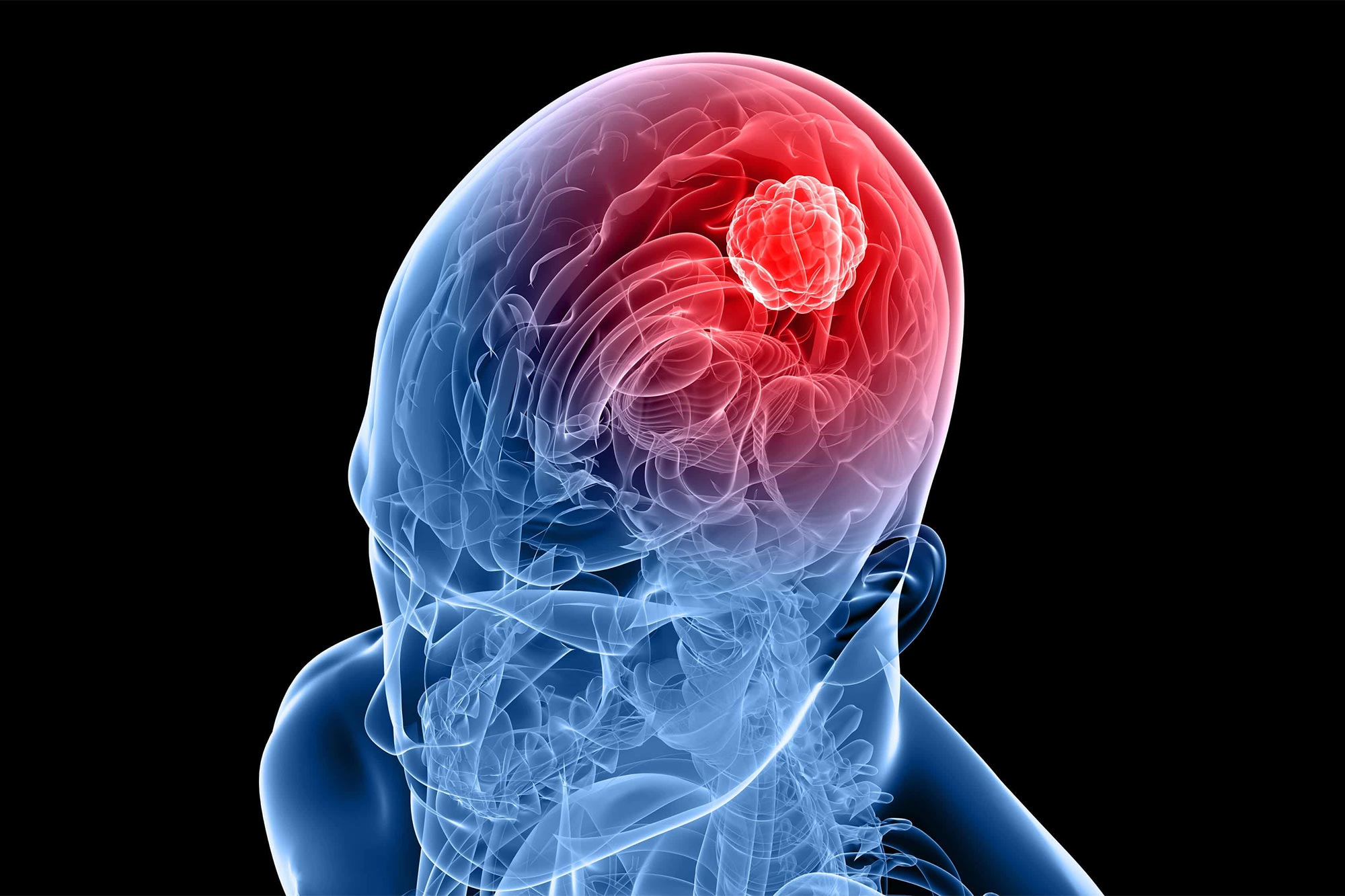
    Brain Cancer Tumor Illustration
    Glioblastoma is an aggressive brain cancer known for rapid growth, treatment resistance, and frequent recurrence. Its ability to adapt to radiation and chemotherapy has made it one of the most difficult cancers to treat. Credit: Stock

    Targeting SET may make glioblastoma more responsive to radiation and chemotherapy.

    Glioblastoma can survive attacks that destroy many other cancer cells, helping make it one of the deadliest cancers and leaving patients with few major treatment advances. Researchers at The Ohio State University Comprehensive Cancer Center – Arthur G. James Cancer Hospital and Richard J. Solove Research Institute have identified a protein called SET as a possible way to weaken that resistance and make existing treatments more effective.

    Rather than replacing radiation or chemotherapy, the strategy is intended to make glioblastoma more vulnerable to them. In preclinical models, suppressing SET prevented tumors from developing, making it the most promising of the proteins examined.

    Researchers also found that interfering with related proteins increased glioblastoma cells’ sensitivity to radiation. Together, the results point to a biological pathway that might eventually be targeted with drugs.

    Blocking PP2A defenses weakened cancer cells

    The researchers focused on PP2A, an enzyme that regulates signals involved in cancer cell growth, survival, and repair after treatment. Glioblastoma cells appear to suppress PP2A using three proteins called ANP32A, CIP2A, and SET. When the researchers blocked these proteins in laboratory and animal models, fewer cancer cells survived, and the remaining cells became more sensitive to radiation.

    “Glioblastoma is hard to treat because it can adapt and survive,” said Arnab Chakravarti, MD, chair of radiation oncology at the OSUCCC – James. “Our findings suggest that restoring PP2A activity may make glioblastoma cells less able to survive treatment. That gives us a clear path to test whether this approach can make radiation and chemotherapy more effective for patients with GBM.”

    Patient testing remains ahead

    The research remains at a preliminary stage and has not been tested in patients. Investigators are now examining whether SET or the other proteins that suppress PP2A can be targeted safely and whether doing so improves responses to standard glioblastoma therapy.

    The researchers also evaluated an FDA-approved antipsychotic medication known to increase PP2A activity. Its effects provide additional reason to investigate drugs that influence this pathway, but the medication is not ready to treat glioblastoma in people and should not be used for that purpose outside a clinical trial.

    “This is an important first step,” said Chakravarti. “By understanding how SET and related PP2A blockers help GBM survive treatment, we can test ways to block that protection and make current therapies more effective.”

    Reference: “Endogenous inhibitors of PP2A activate oncogenic and DNA damage response kinases in glioblastoma” by John Ryan Jacob, Shahid M. Nimjee, J. Bradley Elder, Arnab Chakravarti and Kamalakannan Palanichamy, 20 February 2026, Cancer Letters.
    DOI: 10.1016/j.canlet.2026.218325

    Never miss a breakthrough: Join the SciTechDaily newsletter.
    Follow us on Google and Google News.

    Cancer Chemotherapy Glioblastoma Ohio State University Tumor
    Share. Facebook Twitter Pinterest LinkedIn Email Reddit

    Related Articles

    Scientists Expose a New Achilles’ Heel of Deadly Brain Cancer

    Glioblastoma Under Siege: New Treatment Destroys Cancer Cells, Spares Healthy Ones

    Cancer Breakthrough: Chemotherapy Drug Reaches Human Brain for the First Time

    New Molecular Target Could Result in Cancer Drugs With Fewer Side Effects

    Progress Advances on Innovative Therapy That “Tricks” and Destroys Cancer Cells

    Vitamin E, CoQ10 and GSH Supplements Reverse Heart Damage Caused by Cancer in Scientific Study

    New Model Captures Shape and Speed of Tumor Growth for the First Time

    New Antibody Drug Boosts the Immune System’s Capacity to Fight Cancer

    Custom Tailored Brain Cancer Vaccine Proves Effective

    Leave A Reply Cancel Reply

    • Facebook
    • Twitter
    • Pinterest
    • YouTube

    Don't Miss a Discovery

    Subscribe for the Latest in Science & Tech!

    Trending News

    Popular GLP-1 Weight-Loss Drugs Linked to 30% Lower Breast Cancer Risk

    A Deadly Fungus Has Found the Perfect Hiding Place: Human Hair Follicles

    Ancient Neanderthal DNA May Give Some People More Muscle

    How a Low-Fat Vegan Diet Helped People Lose Weight Without Counting Calories

    MIT Physicists Zapped a Quantum Crystal With Lasers – and Discovered Something Surprising

    Mushroom Mystery: The Fungus That Makes People See Tiny Humans

    Popular Erectile Dysfunction Drug Linked to Vision-Threatening Eye Disease

    Scientists Find a Smarter Way To Turn Used Coffee Grounds Into Clean Fuel

    Follow SciTechDaily
    • Facebook
    • Twitter
    • YouTube
    • Pinterest
    • Newsletter
    • RSS
    SciTech News
    • Biology News
    • Chemistry News
    • Earth News
    • Health News
    • Physics News
    • Science News
    • Space News
    • Technology News
    Recent Posts
    • Researchers Discover a Potential Weak Spot in One of the Deadliest Brain Cancers
    • New $60 Blood Test Detects Lung Cancer Without Costly DNA Sequencing
    • New Treatment Targets Gum Disease Without Killing Good Bacteria
    • New Museum Discovery Shows Evolution Keeps Reinventing the Seahorse
    • Scientists Discover Hermit Crabs Doing a Job No One Expected
    Copyright © 1998 - 2026 SciTechDaily. All Rights Reserved.
    • Science News
    • About
    • Contact
    • Editorial Board
    • Privacy Policy
    • Terms of Use

    Type above and press Enter to search. Press Esc to cancel.