
The ancient Mediterranean diet was not one fixed menu but a collection of regional diets dominated by bread and shaped by wealth and availability.
For Roman emperor Julian (332–363 CE), bread occupied a central place at the table. He described it as the food that “among us is thought to be the most nourishing.”
That emphasis reflected everyday eating across much of the ancient Mediterranean. Bread and other foods made from cereals formed the foundation of many diets, supplemented by pulses, oil, wine, and whatever seasonal produce was available.
The result looked quite different from the modern idea of the “Mediterranean diet,” with its familiar emphasis on vegetables, olive oil, and grilled fish.
Bread may have been indispensable in Julian’s Roman world, but not everyone considered it desirable. Ethiopians who relied on meat and milk regarded bread as poor food with little nutritional value.
They wondered how Mediterranean peoples could survive on a “diet of dung.”
Bread was the dietary foundation
The physician Galen (129–216 CE) left one of the most detailed surviving accounts of what people around the ancient Mediterranean ate.
In On the Properties of Foodstuffs, Galen begins with cereals and pulses before turning to plants, animal foods, and fish. Of these staples, he considered wheat the most widely consumed and “valuable” food.
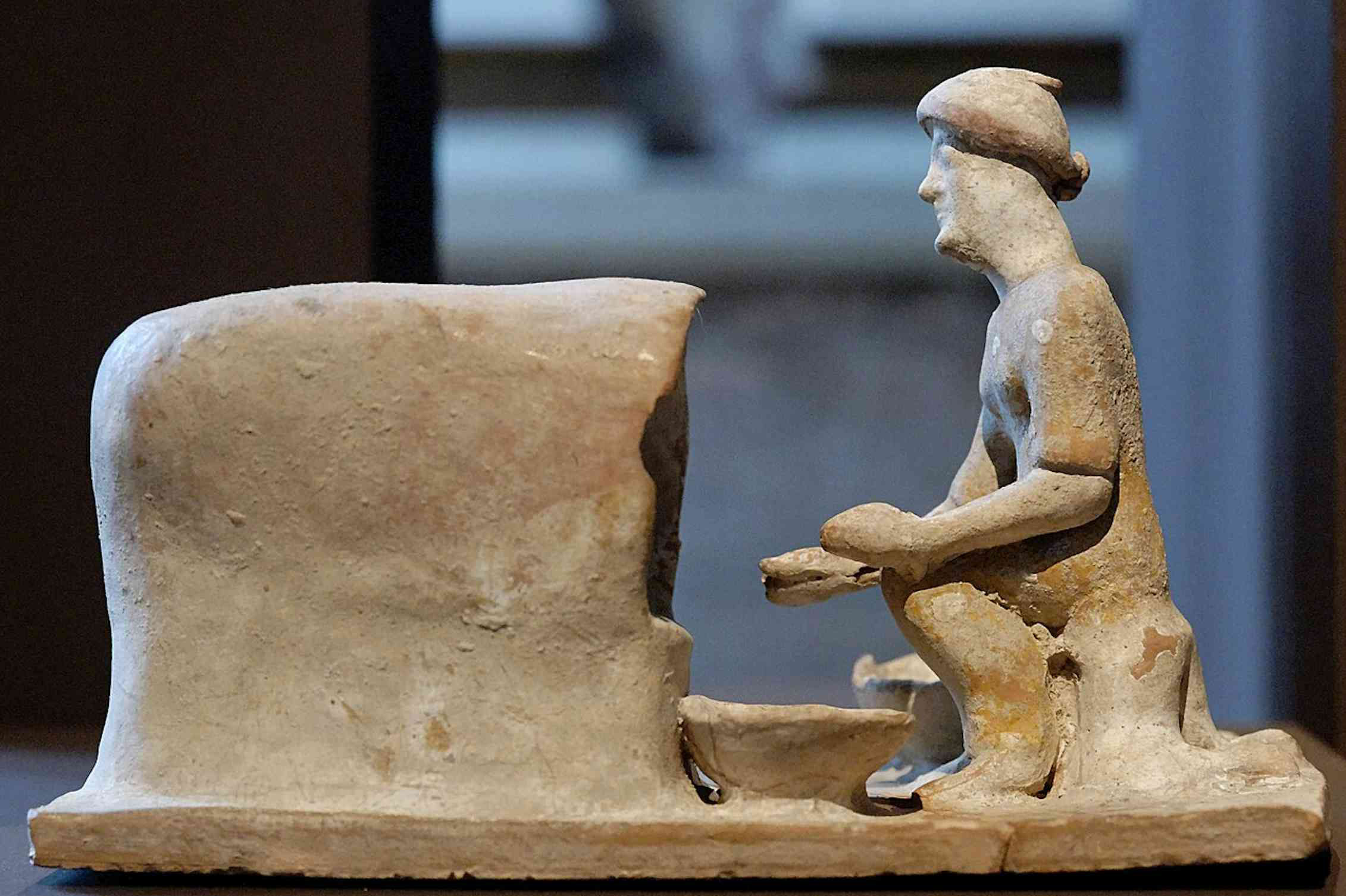
Bread was far more than a side dish. For many people, it made up most of a meal. Galen distinguished carefully among different varieties, describing fine white bread as “the most nourishing.” Bran bread ranked at the bottom, although he believed it was more effective at emptying the bowels.
Preparation mattered too. The best bread was “most leavened and very well kneaded” and baked “with moderate heat.”
An excessively hot oven produced a crust that was “dry and like pottery” while leaving the center raw. Completely unleavened bread, Galen thought, suited almost nobody.
Galen learned the importance of processing wheat through an unpleasant personal experience. During a country journey with some of his friends, a poor peasant woman served them boiled whole grains because her household had run out of bread:
Throughout the next day we had no appetite because of indigestion, so that we could eat nothing, were full of wind and suffered from headaches and blurred vision. For there was not even any bowel action, which is the only remedy for indigestion.
The same grain became nourishing only after milling, sieving, kneading, fermenting, and baking.
Plants did not automatically mean health
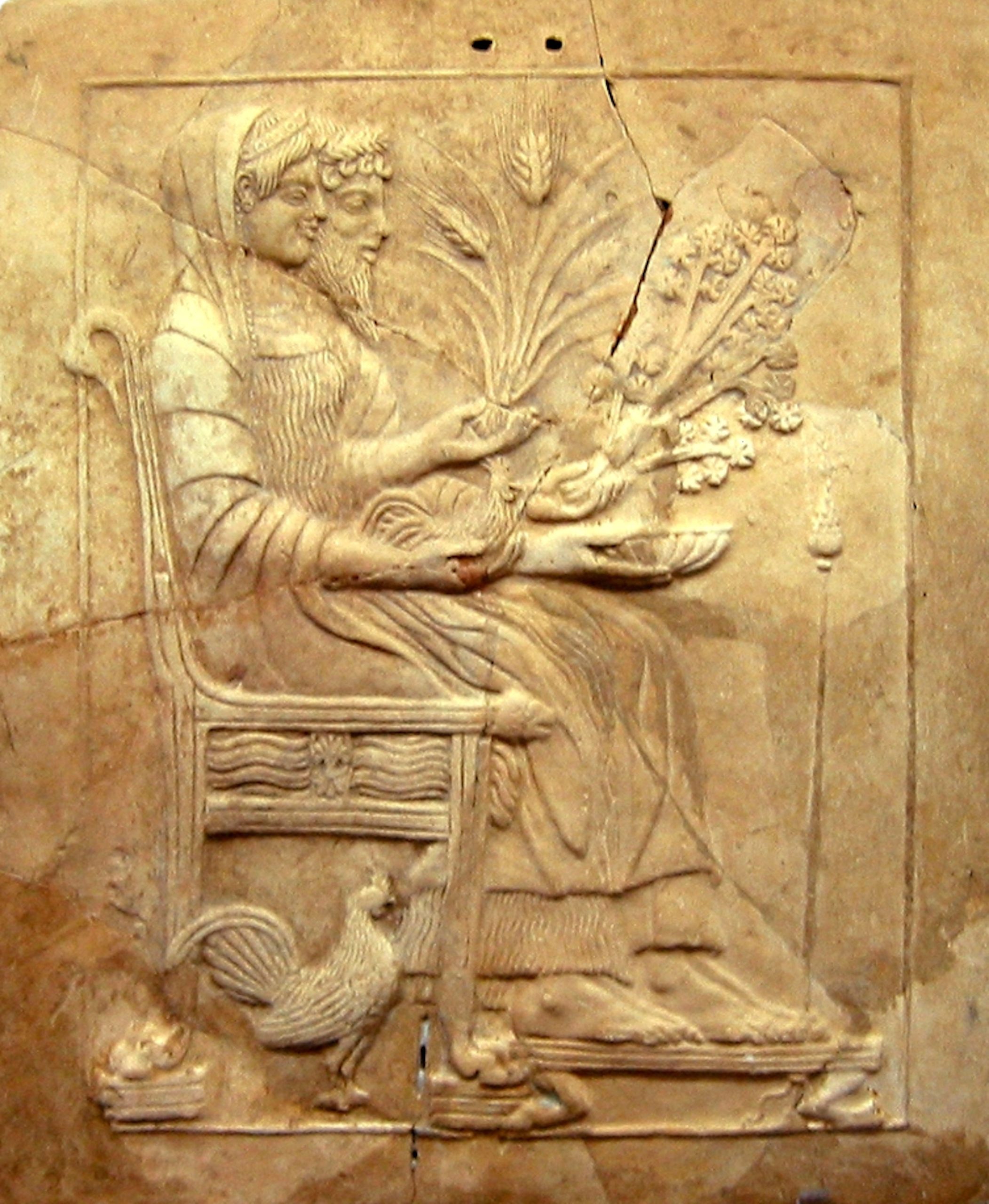
Ancient people certainly ate fruit and vegetables. Galen discusses lettuce, cabbage, onions, gourds, figs, grapes, apples, pears, and pomegranates. But he did not automatically regard them as the basis of a healthy meal.
Many plants were valued chiefly for medicinal effects: they might loosen the bowels, thin bodily fluids, or stimulate urine, while supplying little nourishment.
The plant-rich diet could also reflect poverty rather than a healthy choice. Galen calls oats “food for draught animals, not for men”, except when “the extreme of hunger” forced people to make bread from them.
Pulses were more important than modern images of Mediterranean cuisine suggest. Lentils, chickpeas, lupins, and various flowering legume plants supplied substantial nourishment.
Galen describes an Alexandrian physician who lived for four years largely on pulses. His diet sounds strikingly modern—until Galen reveals the physician seasoned them with fish sauce.
Fresh fish, meanwhile, was not necessarily an everyday staple. Access depended on location and wealth, as fish could be expensive.
Fish caught near Rome could also be contaminated by waste flowing into the Tiber River from “latrines, bathhouses, or kitchens”.
Diet depended on place and wealth
The Greek writer Athenaeus shows why we should be careful when speaking about “the” Mediterranean diet.
Athenaeus wrote around 200 CE and imagined a long dinner party at which the guests discussed food, wine and dining customs. His examples reveal that what people ate depended heavily on where they lived and how much money they had.
He begins one book with an account of Lusitania, in modern Spain. Seafood there, he says, “in point of abundance, excellence, and beauty, far exceeds that found in our sea.”
Wheat, barley, wine, figs and meat were remarkably cheap. Wild game was worth so little that sellers sometimes gave it away “as a bonus for goodwill”.
In other places, fish was expensive. Athenaeus quotes a diner complaining:
I don’t think I’ve ever seen fish more expensive. Poseidon, if you got 10% of what’s spent on them every day, you’d be far away the richest god there is!
Nor was fish always served simply. Athenaeus preserves a recipe by the 5th-century BCE Sicilian cook Mithaecus:
Clean the insides of a ribbon-fish after cutting off the head, wash, and cut into slices, and pour cheese and oil over them.
The fish and olive oil sound familiar. The thick covering of cheese and oil clashes with today’s image of healthy, lightly grilled seafood.
The modern diet is a reconstruction
Most ancient Mediterraneans could hardly live without bread. Cereals supplied the bulk of their calories; pulses, oil, vegetables, fruit, and fish varied according to region, season, and wealth.
The ancient evidence leaves us with no single ancient Mediterranean diet. There were many: one for regions where food was plentiful, another for poor people just trying to survive, and another for wealthy diners able to pay extraordinary prices for expensive delicacies.
The modern Mediterranean diet is, therefore, not an ancient menu preserved unchanged. It is a selective reconstruction, highlighting olive oil, vegetables, and seafood while quietly removing the mountains of bread and cheese.
Adapted from an article originally published in The Conversation.
Never miss a breakthrough: Join the SciTechDaily newsletter.
Follow us on Google and Google News.