
Close Menu
    Facebook X (Twitter) Instagram
    SciTechDaily
    • Biology
    • Chemistry
    • Earth
    • Health
    • Physics
    • Science
    • Space
    • Technology
    Facebook X (Twitter) Pinterest YouTube RSS
    SciTechDaily
    Home»Biology»Bats Have a Secret Immune System Scientists Have Never Seen in Any Other Mammal
    Biology

    Bats Have a Secret Immune System Scientists Have Never Seen in Any Other Mammal

    By Stacey Plaisance, Tulane UniversityAugust 28, 2026No Comments4 Mins Read
    Facebook Twitter Pinterest Telegram LinkedIn WhatsApp Email Reddit
    Share
    Facebook Twitter LinkedIn Pinterest Telegram Email Reddit
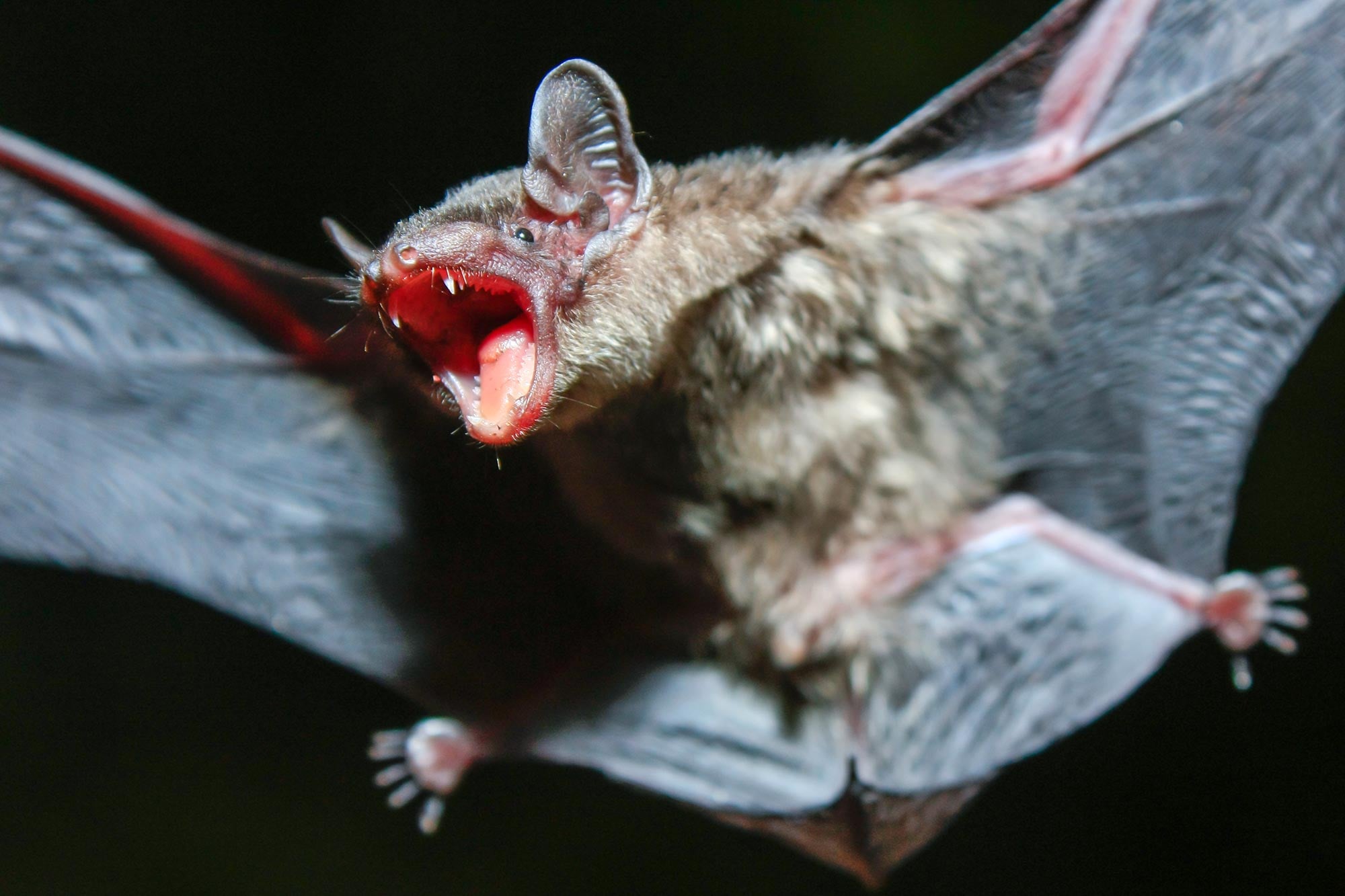
    Greater Bamboo Bat (Tylonycteris robustula)
    Vesper bats are the largest and most widespread family of bats, with more than 500 species found across nearly every continent. Credit: Shutterstock

    Vesper bats possess a second antibody gene system unseen in other known mammals, revealing a new level of immune diversity.

    Bats can harbor viruses capable of causing severe disease without usually becoming seriously ill themselves, a biological puzzle that has challenged scientists for years. Researchers at Tulane University, working with collaborators at Stanford University and the Centers for Disease Control, may now have uncovered part of the explanation.

    A study published in Science Advances found that vesper bats, the world’s largest bat family, carry two distinct copies of the genes used to produce antibodies. Every other known mammal has only one such set. The finding reveals an unexpected way mammalian immunity can be organized and may help researchers understand how bats respond to infection.

    “We’ve never seen anything like this in a mammal before,” said Hannah Frank, associate professor of ecology and evolutionary biology at Tulane University School of Science and Engineering and corresponding author of the study. “This completely changes our understanding of how mammalian immune systems can be organized and raises exciting new questions about why bats have been so evolutionarily successful and how they respond to viruses.”

    The discovery came from vesper bats, a family containing more than 500 species distributed across every continent except Antarctica. Their evolutionary success has long drawn scientific interest, and the newly identified antibody system could provide one clue to that success.

    Hannah Frank
    Hannah Frank, associate professor of ecology and evolutionary biology at Tulane University School of Science and Engineering, led a study that discovered a previously unknown antibody system in bats that could offer new clues about how they coexist with viruses without becoming seriously ill. Credit: Kenny Lass/Tulane University

    A second gene system expands antibody diversity

    Antibodies are Y-shaped proteins built from two heavy protein chains and two light protein chains. In humans and every other mammal known to science, the heavy chains are produced from a single set of genes.

    Frank and her collaborators found that vesper bats have two separate heavy-chain gene systems instead, potentially giving them another route for generating antibody diversity.

    Adaptive immunity may hold more clues

    Much previous research into bat disease resistance has concentrated on innate immunity, the body’s immediate defense against infection. Frank said the new results point to another area that deserves closer attention: adaptive immunity— the part responsible for producing antibodies.

    “We think this discovery is an important piece of the puzzle,” Frank said. “It doesn’t fully explain why bats are such effective viral reservoirs, but it reveals a level of immune variety we didn’t know existed and gives us an entirely new direction to explore.”
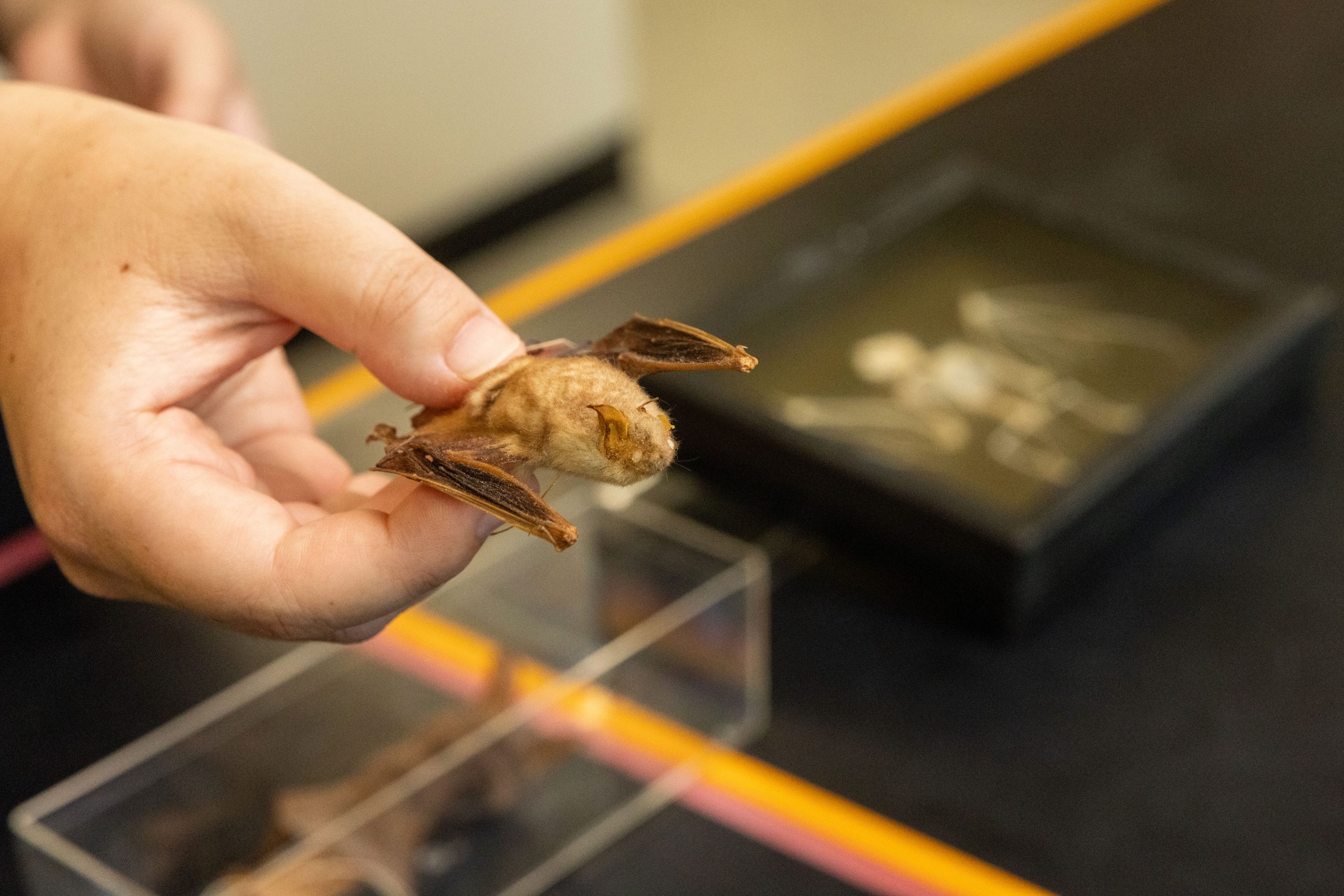
    Bat Specimen
    Hannah Frank holds a vesper bat. Credit: Kenny Lass/Tulane University

    Bat immunity could inform spillover research

    Bats play important ecological roles as pollinators, seed dispersers, and natural pest controllers, while also serving as natural hosts for many viruses, Frank said. Learning how they can coexist with those viruses without becoming sick could eventually deepen understanding of immune responses across species and contribute to strategies aimed at reducing disease spillover.

    “We’ve learned an enormous amount about immunity by studying humans and laboratory mice,” Frank said. “But the natural world is far more varied than that. Every time we study a species that has evolved differently, we have the opportunity to discover something entirely new.”

    Reference: “Immunoglobulin heavy chain locus duplication in bats” by Taylor Pursell, Ashley Reers, Artem Mikelov, Prasanti Kotagiri, Brandon Lam, James A. Ellison, Scott D. Boyd and Hannah K. Frank, 29 July 2026, Science Advances.
    DOI: 10.1126/sciadv.aeb6714

    Never miss a breakthrough: Join the SciTechDaily newsletter.
    Follow us on Google and Google News.

    Bats Immune System Immunology Tulane University Virology Virus
    Share. Facebook Twitter Pinterest LinkedIn Email Reddit

    Related Articles

    Max Planck Researchers Discover New Weapon of the Immune System

    Fast-Acting Virus Targets Most Melanoma Tumors

    A New Class of Molecular Compounds Capable of Killing the Influenza Virus

    Novel Coronavirus hCoV-EMC Infects Humans & Animals

    Monkeys Cured of Ebola Zaire Virus With Antibody Cocktail

    Increasing Th17 Cells in the Gut May Improve the Control of HIV Growth

    Central American Bats Harbor a New Subtype of Influenza

    Visual Science’s Ebolavirus 3D Model is 10 Times More Complex Than Their HIV Model

    Ruminant Orthobunyavirus Takes Northern Europe By Surprise

    Leave A Reply Cancel Reply

    • Facebook
    • Twitter
    • Pinterest
    • YouTube

    Don't Miss a Discovery

    Subscribe for the Latest in Science & Tech!

    Trending News

    Nanoscale “Defects” Unlock a Major Heat Transfer Breakthrough

    Adults Taking More Vitamin D Scored 13% Higher on a Cognitive Test

    A 35,000-Year-Old Neanderthal Pelvis May Explain Why Men and Women Walk Differently

    Dual Stem Cell Treatment Restores Vision in First Human Trial

    Your Waist Size May Reveal More About Your Health Than You Think

    Scientists Turn Red Strawberries White With a Single Gene Edit

    A SpaceX Falcon 9 Rocket Hit the Moon and Blasted Open a 60-Foot Crater

    Study Reveals Your Organs May Be Aging at Very Different Speeds

    Follow SciTechDaily
    • Facebook
    • Twitter
    • YouTube
    • Pinterest
    • Newsletter
    • RSS
    SciTech News
    • Biology News
    • Chemistry News
    • Earth News
    • Health News
    • Physics News
    • Science News
    • Space News
    • Technology News
    Recent Posts
    • Bats Have a Secret Immune System Scientists Have Never Seen in Any Other Mammal
    • A Star’s Spin Could Solve a Longstanding Black Hole Mystery
    • NASA Is Building “Air Traffic Control” for the Moon
    • NASA Finds Earth Microbes Could Hide in the Moon’s Deep Shadows
    • New Study: Intermittent Fasting Lowers Blood Sugar in Type 1 Diabetes
    Copyright © 1998 - 2026 SciTechDaily. All Rights Reserved.
    • Science News
    • About
    • Contact
    • Editorial Board
    • Privacy Policy
    • Terms of Use

    Type above and press Enter to search. Press Esc to cancel.