
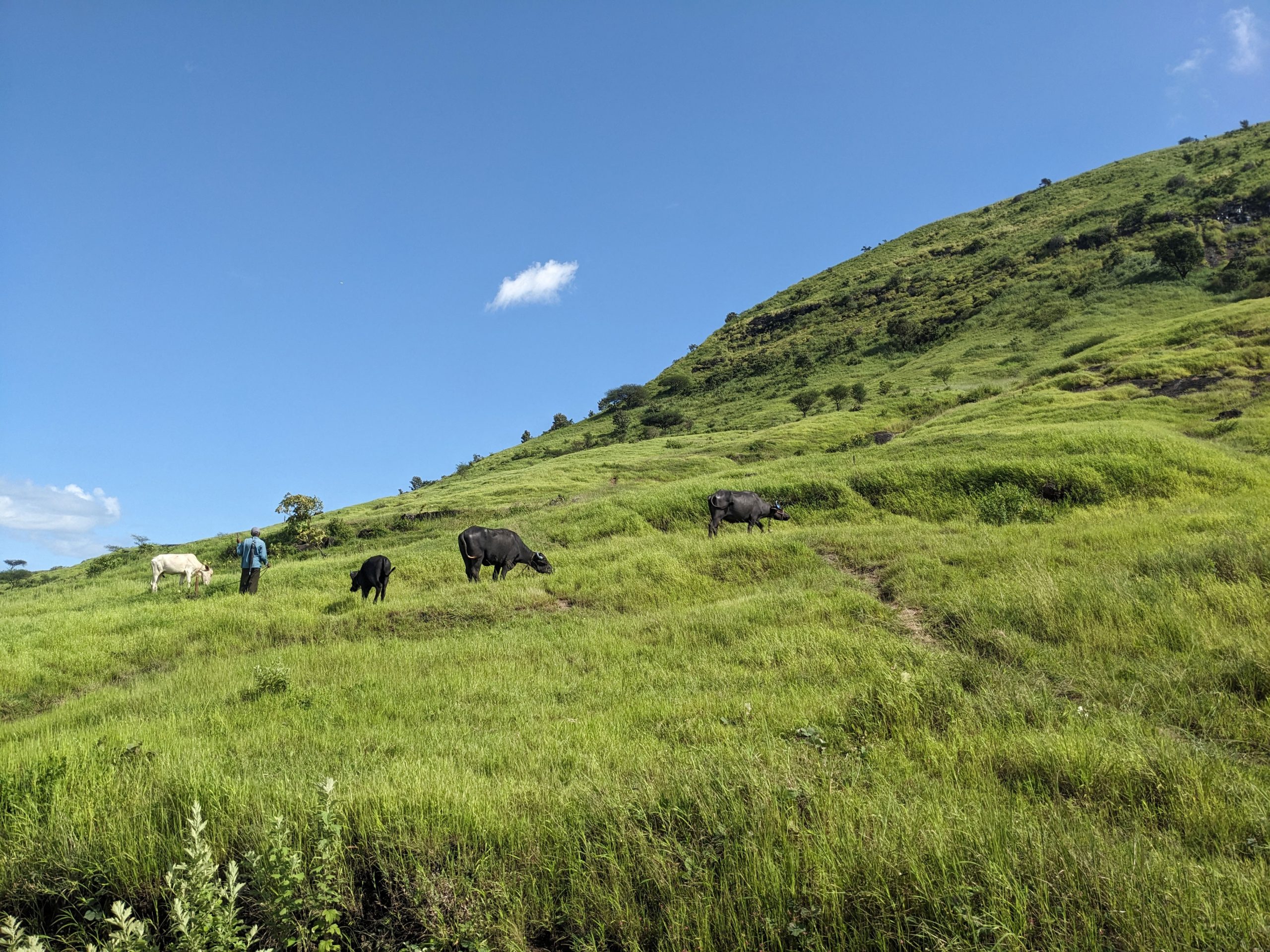
Even centuries after disturbance, recovering grasslands can remain dominated by a different kind of plant than the old-growth ecosystems they replaced.
Even after centuries of recovery, a grassland can still support a noticeably different plant community from an ancient landscape that was never plowed.
A global analysis of 742 plant species found that secondary grasslands, those regrowing after farming or other disturbance, tend to favor taller, faster-growing plants. Old-growth grasslands, by contrast, are more likely to support slow-growing, long-lived perennials with traits that help them withstand drought, fire, and grazing.
The pattern appeared across six continents despite enormous differences among the grasslands themselves. “Our analysis indicates that differences between old-growth and secondary grasslands are remarkably consistent around the globe,” said Lars Brudvig, a Michigan State University professor and co-author of the new study, published in the Proceedings of the National Academy of Sciences.
The findings help explain a puzzle scientists have documented for years: grassland vegetation can return after land is plowed or otherwise converted without fully recovering the biological character of the ecosystem that was lost.
Previous work by lead author Ashish Nerlekar, a postdoctoral researcher at Michigan State University, found that secondary grasslands can take decades to regain the biodiversity of ancient grasslands. Even after centuries of regrowth, some plant species remain missing.
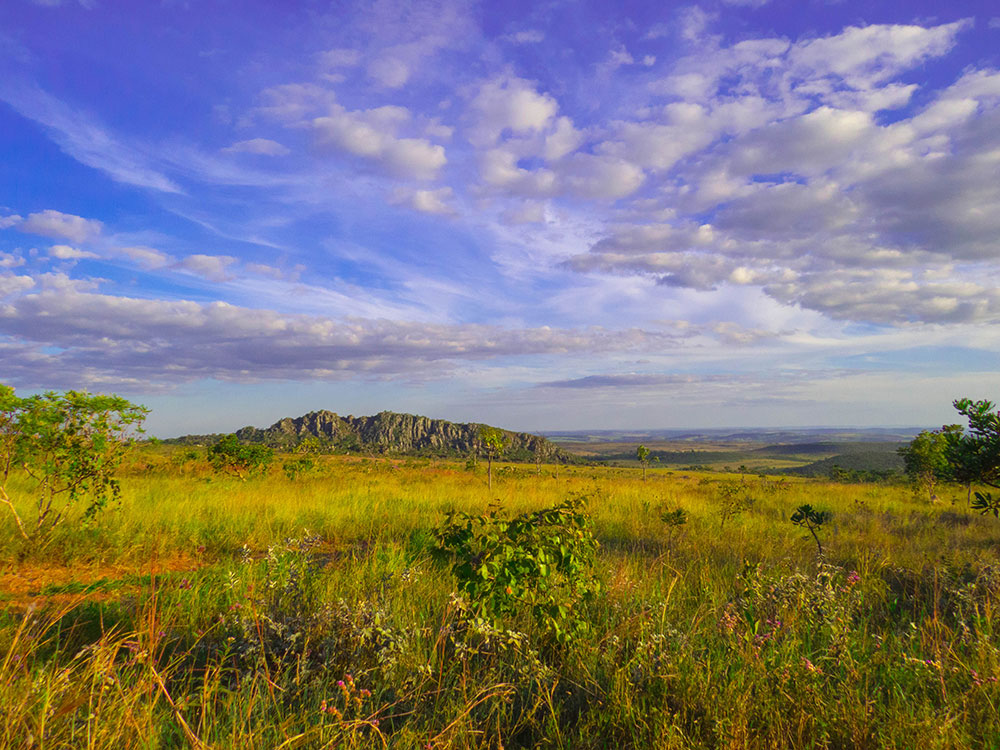
Recovery favors faster-growing plants
The new study investigated why recovery can be so slow. Nerlekar, Brudvig, Michigan State professor Lauren Sullivan, and a global group of collaborators compared old grasslands that had never been plowed or converted to farmland with younger grasslands at different stages of recovery.
They found that disturbance tends to favor a different kind of plant.
When old-growth grasslands are plowed, the species that disappear are often tough, slow-growing perennials with leathery leaves. “These traits help them deal with stressful situations like droughts, or being eaten by herbivores, or burned,” Brudvig said.
Those same survival strategies can become a disadvantage after the landscape is disturbed.
Many of the plants characteristic of old grasslands “are also very slow-growing,” Nerlekar added. “And that prevents them from competing in the post-destruction grasslands.”
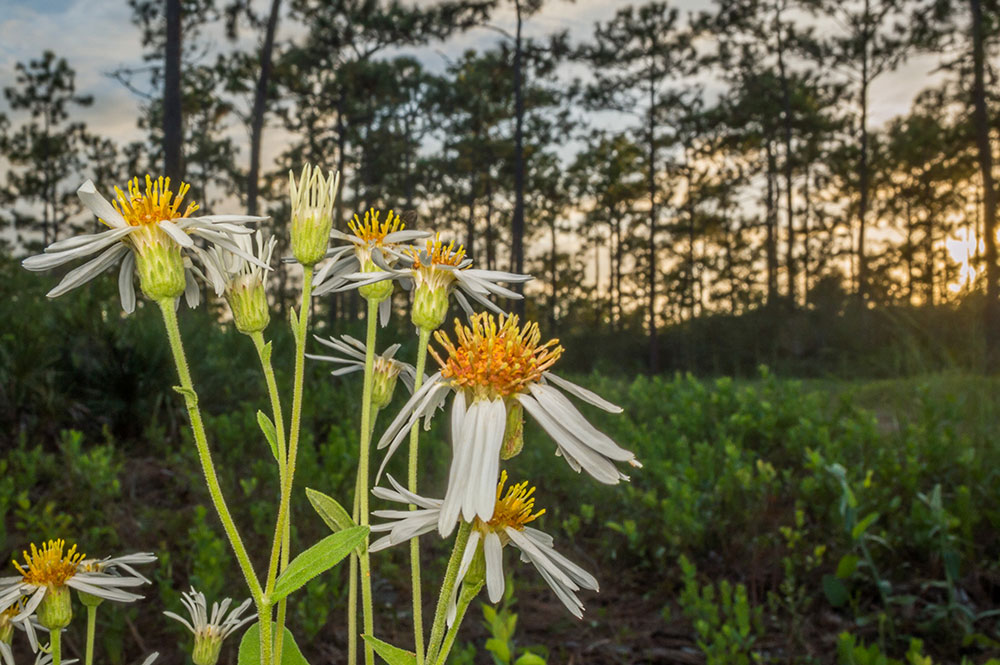
Instead, recovering grasslands tend to fill with species built for speed. They grow rapidly, reproduce more quickly, and are better able to capture resources.
The contrast shows up in individual species. Wiregrass (Aristida stricta), a tough, drought-tolerant perennial characteristic of pine savannas in the southeastern United States, was not a defining feature of secondary grasslands. Regrowing sites were more associated with fast-reproducing annuals such as white goosefoot (Chenopodium album), which is better able to compete for water and nutrients.
Plants in secondary grasslands also tended to grow taller, giving them an advantage in the competition for sunlight.
“When they reproduce the next generation does the same and they quickly take over,” said Nerlekar, who is currently at the Indian Institute of Science Education & Research-Pune.
Plant differences can persist for centuries
Those differences can persist for remarkably long periods. In one case, plants in secondary grasslands remained taller than their old-growth counterparts even after 300 years.
That matters because grasslands are far more than open land without trees. Their extensive root systems can reduce runoff and erosion, and grasslands store roughly a third of Earth’s terrestrial carbon.
They also support livestock and distinctive communities of plants and animals, from American bison and African wildebeests to Asia’s great bustards. Grasslands cover nearly a quarter of Earth’s land and help support the livelihoods of more than a billion people.
They include some of the planet’s most expansive landscapes, from the roughly 5,000-mile Eurasian steppe stretching from Hungary to China to the prairies of North America’s Great Plains and the African savanna.
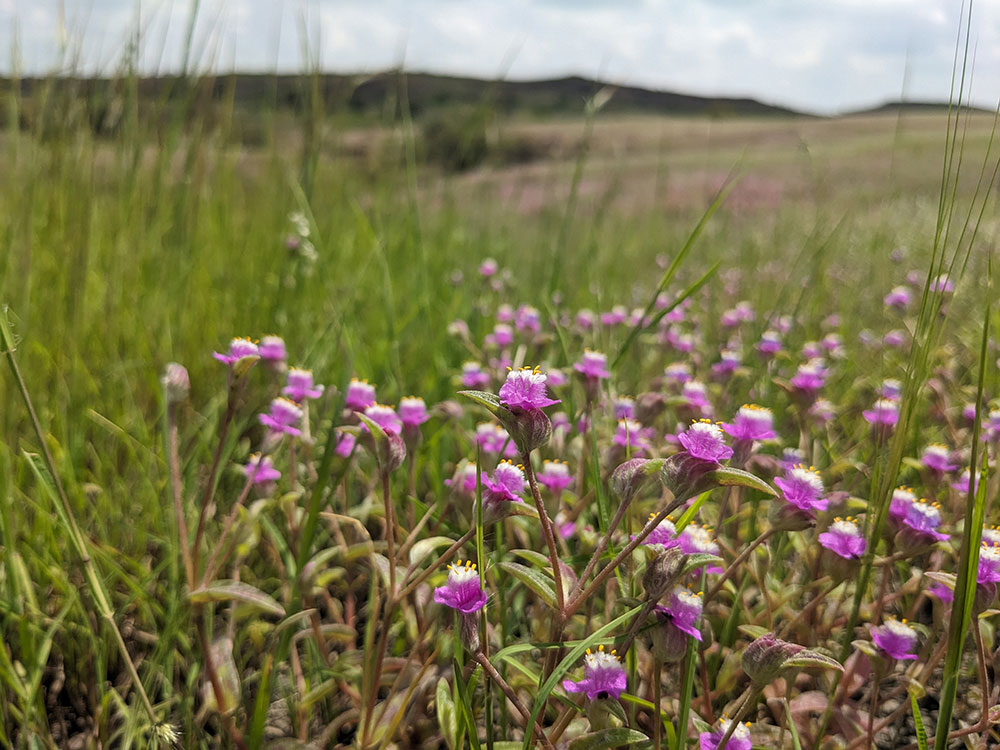
Ancient grasslands are disappearing worldwide
But many ancient grasslands have been converted to cropland, tree plantations, and urban development over the past two centuries. Brazil’s species-rich Cerrado, for example, loses an area the size of London every three months. India’s savannas shrank from 100 million acres in 1880 to 60 million acres in 2010, according to one study, while less than half of North America’s historical grassland acreage remains.
At the same time, millions of acres of farmland are being abandoned worldwide, creating opportunities for secondary grasslands to develop.
That raises an increasingly important question: if grass returns, does the original ecosystem return with it?
The findings suggest that the answer is often no, at least when judged by the kinds of plants that characterize the recovering landscape.
“But these findings clearly show that secondary grasslands are really different from old-growth grasslands,” Brudvig said.
Researchers still do not know exactly what those lasting shifts mean for functions such as removing heat-trapping carbon dioxide from the atmosphere or cycling nutrients through ecosystems. More research is needed to determine whether secondary grasslands perform those functions differently from old-growth systems.
Grassland recovery may need intervention
The results nevertheless have practical implications for restoration. Allowing previously cultivated land to recover on its own may not recreate the plant community that existed before disturbance.
“What these findings suggest is that we need to be taking an active hand in grassland recovery — doing things like sowing seeds and transplanting — if we want secondary grasslands to function like the old-growth ones,” Brudvig said.
The findings also underscore the importance of protecting ancient grasslands before they are lost.
“Preserving and conserving existing old-growth grasslands matters because you don’t quickly get back what is lost,” Nerlekar said.
Reference: “Grassland destruction causes shifts in plant traits that persist during recovery” by Ashish N. Nerlekar, André Giles, Norbert Hölzel, Mário Cava, Julien Piqueray, Natashi Pilon, Brenda Molano-Flores, Megha Ojha, Jin Hua Li, Gregory Mahy, Omofomwan Kingsley Osazuwa, Emma Ladouceur, Thierry Dutoit, Jutta Stadler, Daniela Boecker, Rafael S. Oliveira, Xi Zhou, Renaud Jaunatre, Klára Řehounková, Wenjin Li, Deepak Barua, Michal Hájek, Soizig Le Stradic, Frances Siebert, Eszter Ruprecht, Ellen I. Damschen, Elise Buisson, Karel Prach, Forest Isbell, John L. Orrock, Giselda Durigan, Lauren L. Sullivan and Lars A. Brudvig, 24 August 2026, Proceedings of the National Academy of Sciences.
DOI: 10.1073/pnas.2533967123
This research was supported by grants from the São Paulo Research Foundation FAPESP, (2016/13232-5, 2018/03755-6, 2019/07773-1, 2020/01378-0, 2020/09257-8), the Brazilian National Council for Scientific and Technological Development, (309709/2020-2), China’s Gansu Provincial Science and Technology Major Projects (23ZDNA009), the Strategic Environmental Research and Development Program of the U.S. Department of Defense (SERDP Project RC-1695), the Czech Science Foundation (31-25-18351S and 25-15235S), France’s Regional Conservatory of Natural Spaces and the Region Sud-Paca, French National Research Agency (ANR-23-CE02-0034 – BEF-Cerrado), DAAD German Academic Exchange Service (DBo), the Association for Tropical Biology and Conservation, the South Africa Environmental Observation Network (SAEON), the Indian Institute of Science Education and Research, Pune, India, Ndlovu Node and the Unit for Environmental Sciences and Management, North-West University, South Africa, and a Michigan State University EEB Presidential postdoctoral fellowship.
Never miss a breakthrough: Join the SciTechDaily newsletter.
Follow us on Google and Google News.