
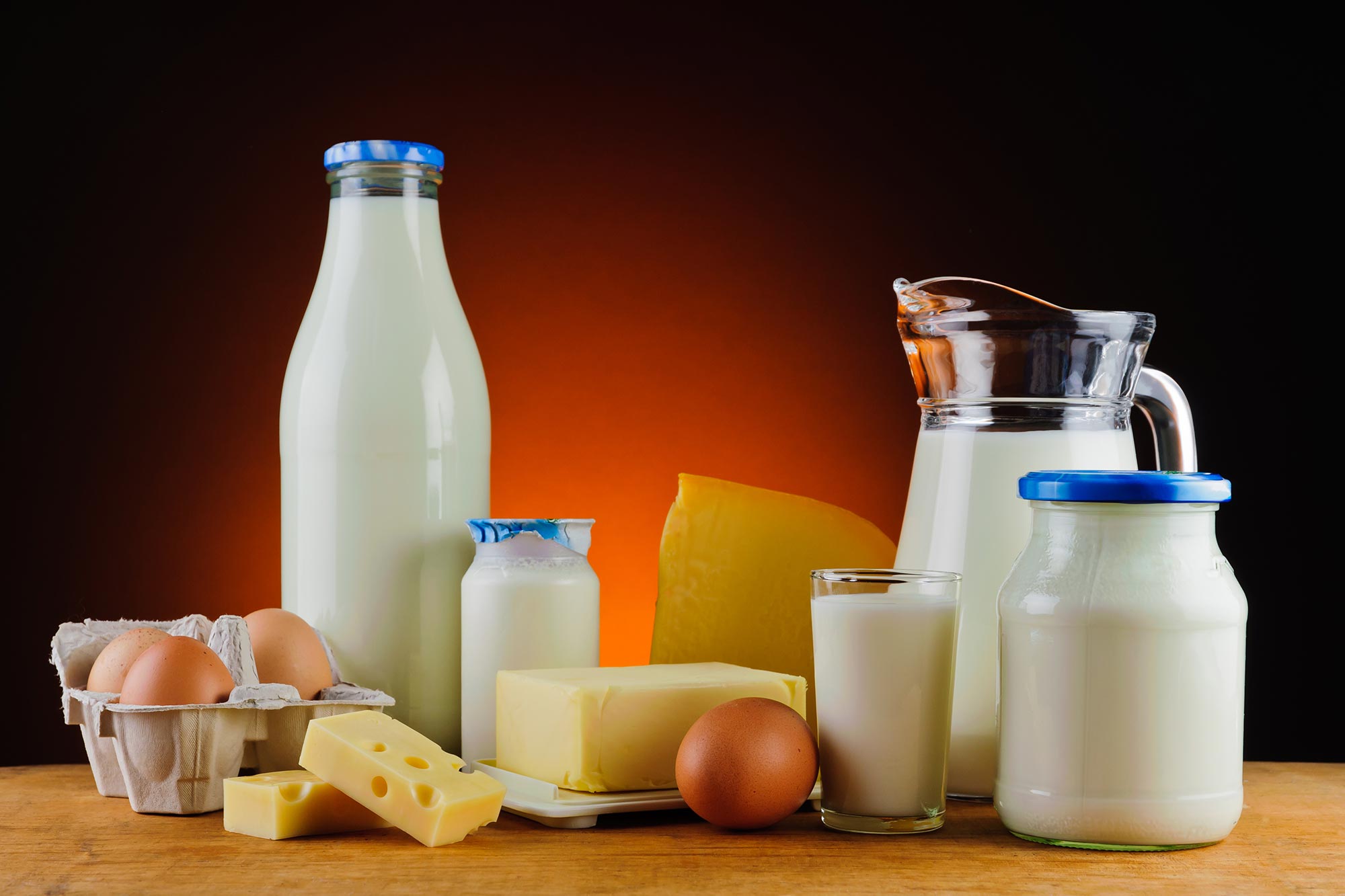
A large review of 22 studies suggests that naturally occurring trans fats in dairy may affect the body very differently from industrial trans fats.
Milk, butter, yogurt, and cheese naturally contain small amounts of trans fats, but a large review suggests these fats do not carry the same health risks as the industrial trans fats long associated with cardiovascular disease.
Researchers analyzed 22 studies involving thousands of people in Europe, Canada, and the United States. Across both controlled dietary trials and long-term population studies, naturally occurring dairy trans fats were not linked to a higher risk of heart disease, stroke, cardiovascular death, or type 2 diabetes.
The findings, published in Nutrition Research, challenge the assumption that all trans fats have comparable effects on health.
Natural and industrial trans fats are not the same
Trans fats are a type of unsaturated fat. Some form naturally in the digestive systems of ruminant animals such as cows, sheep, and goats and therefore occur in their milk and dairy products.
Industrial trans fats are produced through partial hydrogenation, a process historically used to make vegetable oils more solid and stable. These fats, once common in some processed and fried foods, are strongly associated with increased cardiovascular risk.
Professor Ian Givens, one of the lead authors and a researcher at the University of Reading, said: “People hear the words ‘trans fats’ and assume the worst, but the trans fats in your morning milk, yogurt, butter or cheese are not the same as the ones from industrial partially hydrogenated fats. This research should give people reassurance that dairy, eaten as part of a balanced diet, is not something to worry about for your heart.”
Controlled trials found no harmful change in blood lipids
The researchers first reviewed 10 controlled dietary trials. Participants consumed dairy foods containing naturally enhanced levels of trans fats and were compared with people eating regular dairy products.
The studies tested daily trans fat intakes ranging from 1.3 to 13.2 grams and measured blood lipids used to assess cardiovascular risk. Across all 10 trials, the researchers found no meaningful differences in these biomarkers between people consuming the trans fat-enhanced dairy foods and those eating regular dairy.
These experiments allowed researchers to examine short-term biological effects under controlled conditions, but they could not establish what happens after many years of exposure. For that, the team turned to long-term observational research.
Decades of follow-up showed the same pattern
The review included 12 cohort studies that followed thousands of people for years, with some tracking participants for more than two decades. Researchers measured biomarkers of dairy-derived trans fats in participants’ blood.
Higher levels of these fats were not associated with an increased risk of heart disease, stroke, or cardiovascular death. The studies also found no association between higher blood levels of dairy trans fats and type 2 diabetes.
Because cohort studies are observational, they cannot prove that dairy trans fats themselves prevent or cause disease. However, the results indicate that naturally occurring trans fats in dairy do not show the adverse effects associated with industrial trans fats.
Reference: “Trans fatty acids from dairy foods do not affect risk of cardiometabolic diseases: Systematic review and meta-analysis of evidence from randomized controlled trials and systematic review of prospective cohort studies” by Constance Gayet-Boyer, Fanny Tenenhaus-Aziza, Moises Torres-Gonzalez, D. Ian Givens and Cindy Schweitzer, 27 March 2026, Nutrition Research.
DOI: 10.1016/j.nutres.2026.03.009
Never miss a breakthrough: Join the SciTechDaily newsletter.
Follow us on Google and Google News.