
A hormone that raises blood sugar may help put the brakes on a post-meal spike when fat reaches the gut before sugar.
An international research team found that giving mice fat before glucose slowed stomach emptying and reduced the early blood sugar spike. The experiments suggest that the response involves cooperation between gut and pancreatic hormones and nerve signals, offering clues to why food order may matter.
Human studies have already shown that eating vegetables, protein, or fat before carbohydrates can moderate post-meal blood sugar rises, an important treatment target in diabetes. Meal sequencing could therefore offer a practical dietary strategy that changes eating order without eliminating foods.
“Our group has long been interested in practical dietary approaches that people can continue in everyday life,” says corresponding author Daisuke Yabe of Kyoto University. “Meal sequencing is appealing because it merely changes how a meal is eaten rather than requiring people to avoid entire food groups.”

How Food Order Changes Glucose Delivery
The stomach helps control how quickly nutrients reach the intestine. Slower emptying can spread out glucose delivery, tempering the early blood sugar rise. Researchers have also linked meal-sequencing benefits to increased release of incretin hormones, including GLP-1, which help lower blood glucose. Less clear was how these hormones interact with pancreatic hormones and nerve pathways.
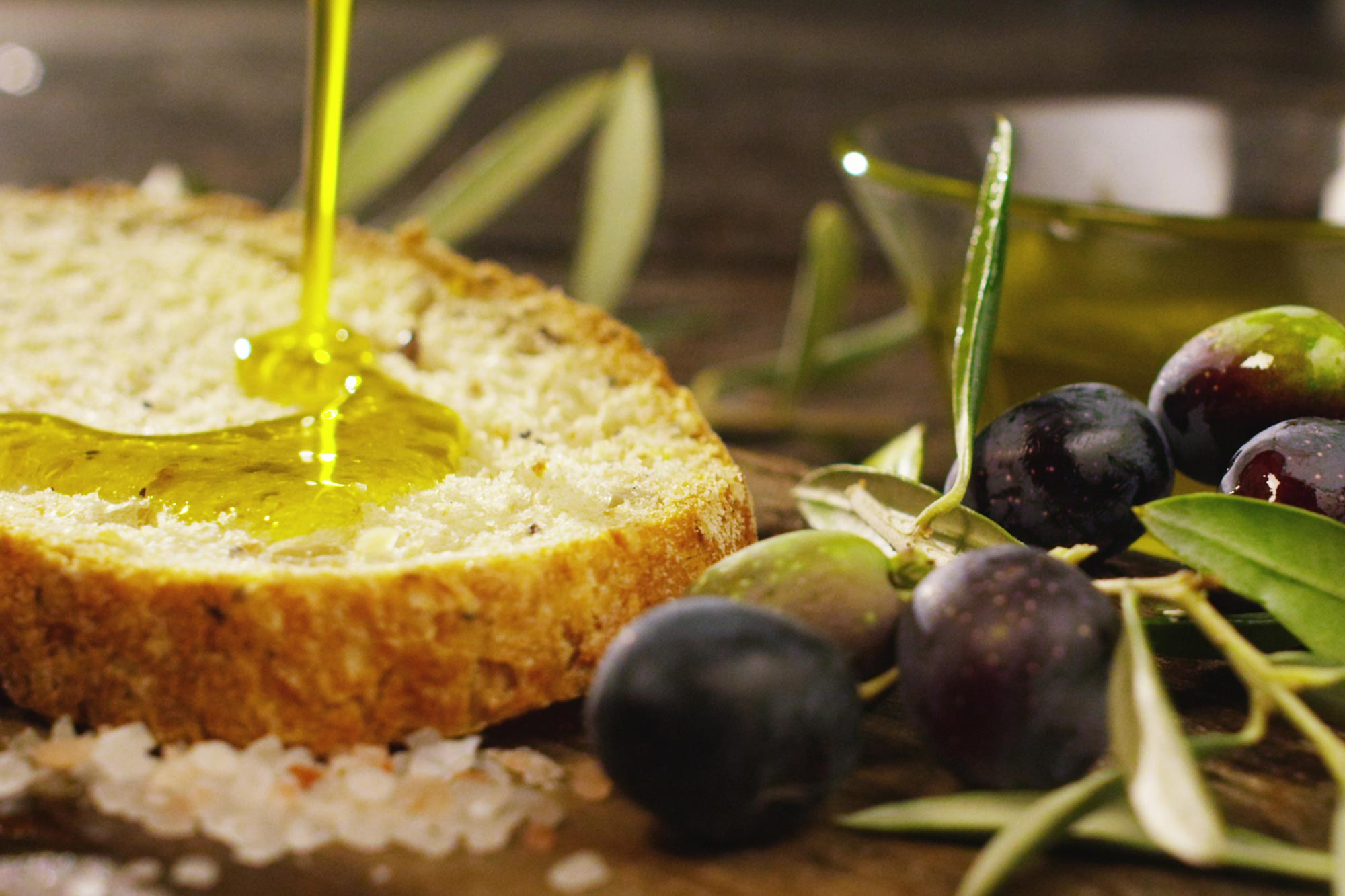
To investigate, the team fasted mice overnight and compared three feeding sequences: water followed by glucose, olive oil followed by glucose 15 minutes later, and glucose followed by olive oil 15 minutes later. They tracked blood glucose and plasma levels of insulin, glucagon, GIP, and GLP-1. Blood measurements after oral acetaminophen provided an estimate of stomach-emptying speed.
When olive oil came first, the mice showed a smaller early blood sugar rise and slower stomach emptying than when it came afterward. Giving fat first also increased early secretion of glucagon, GIP, and GLP-1. These effects persisted in mice with type 2 diabetes and severe insulin deficiency.
Glucagon’s Unexpected Role
Glucagon is best known for raising blood glucose, making its contribution here particularly intriguing. Blocking either glucagon or GLP-1 signaling alone did not weaken the glucose-lowering effect of giving olive oil first, but blocking both did, indicating that both pathways contribute to the response.
The researchers also tested mice lacking the GLP-1 receptor and examined nerve involvement by tying off the vagus nerve below the diaphragm on both sides. The nerve experiments suggested that vagal pathways contribute to the response. Tests with other dietary fats helped establish that the findings were not unique to olive oil.
“Our findings suggest that the order in which nutrients reach the gut can engage a coordinated hormone-nerve response that changes how quickly the stomach delivers glucose to the intestine,” says Yabe.
Together with existing clinical evidence, the findings strengthen the case for testing practical meal-sequencing strategies in people with and without diabetes. The next challenge is to determine how reliably this hormone and nerve response translates into benefits during everyday meals.
Reference: “Olive Oil Before Oral Glucose Delays Gastric Emptying and Lowers Glycemia Through Partially Redundant Glucagon and GLP-1 Signaling in Mice” by Yanyan Liu, Hiromi Tsuchida, Sodai Kubota, Saki Kubota-Okamoto, Takehiro Kato, Yukio Horikawa, Shin Tsunekawa, Hitoshi Kuwata, Yuuka Fujiwara, Yuji Yamazaki, Yuichiro Yamada, Hiroki Fujita, Katsumi Iizuka, Naoya Murao, Shinji Ueno, Yusuke Seino, Atsushi Suzuki, Yoshitaka Hayashi, Tsuyoshi Nakanishi, Daniel J. Drucker, Takahiko Shiina, Yasutake Shimizu, Yusaku Iwasaki, Toshihiko Yada, Yohei Seno, Yuya Takahashi, Toshinori Imaizumi, Takaaki Murakami, Michael Horowitz, Yutaka Seino and Daisuke Yabe, 8 October 2026, Diabetes.
DOI: 10.2337/db26-0531
Never miss a breakthrough: Join the SciTechDaily newsletter.
Follow us on Google and Google News.