
The oldest directly dated evidence of intoxicating cannabis use comes from a Scythian tomb, suggesting the plant’s mind-altering effects had a place in ancient burial rituals.
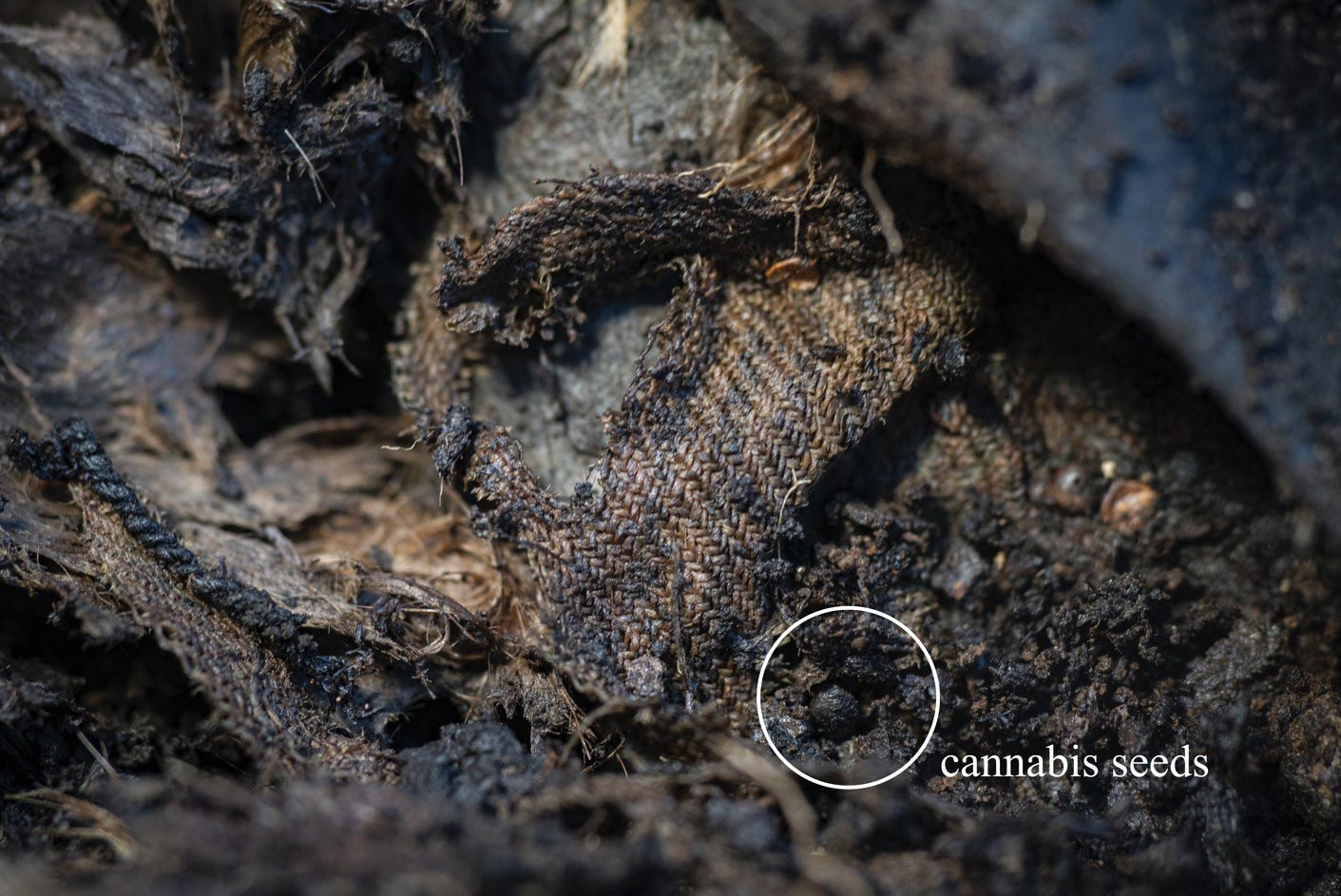
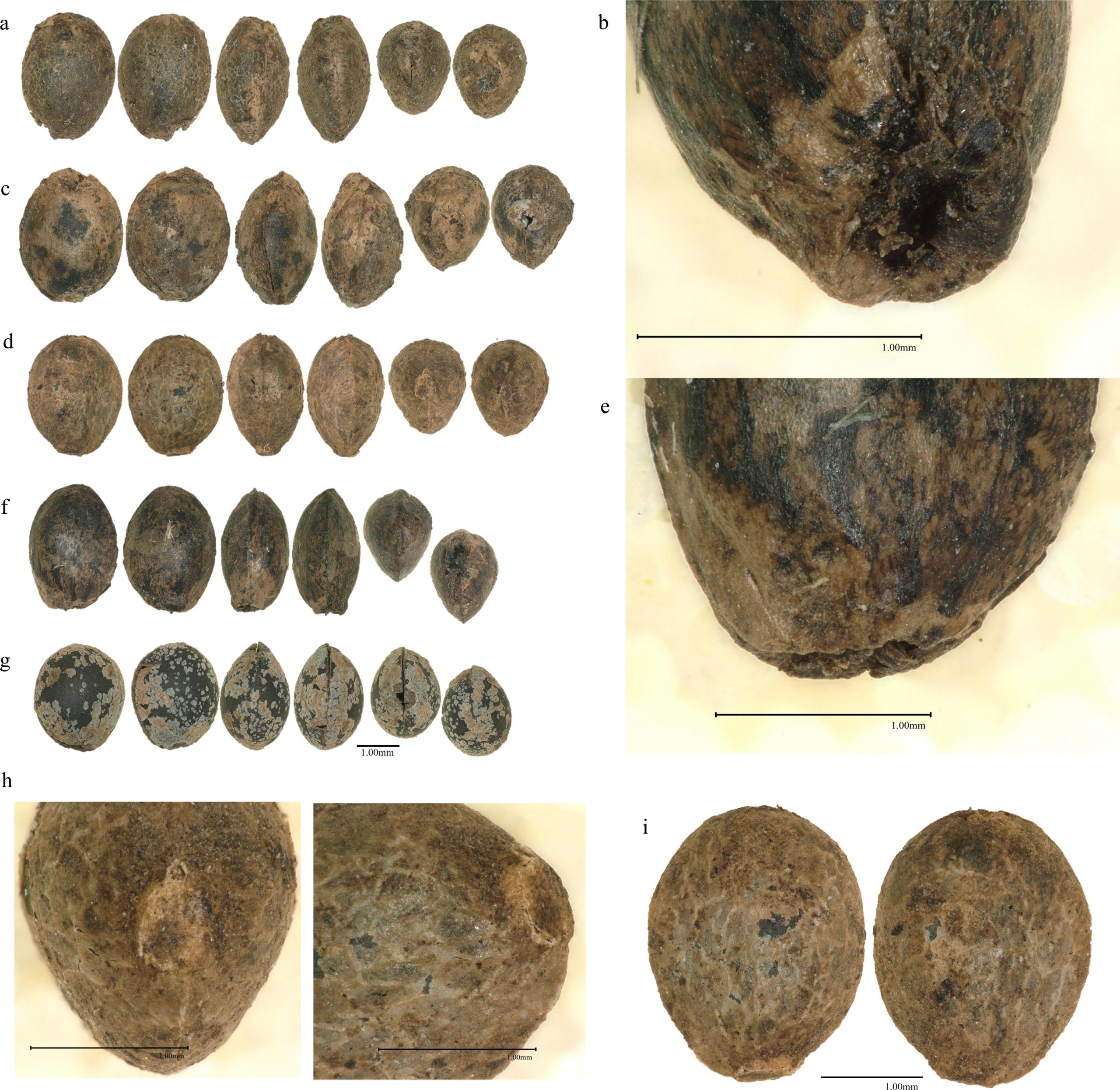
About 1,000 cannabis seeds recovered from a princely tomb in southern Siberia could not, on their own, tell archaeologists whether anyone had used the plant to get high. Cannabis, one of today’s most commonly used psychoactive plants, has also supplied oil, fiber, and medicine, and its flowers, leaves, and resins rarely survive to help distinguish among prehistoric uses.
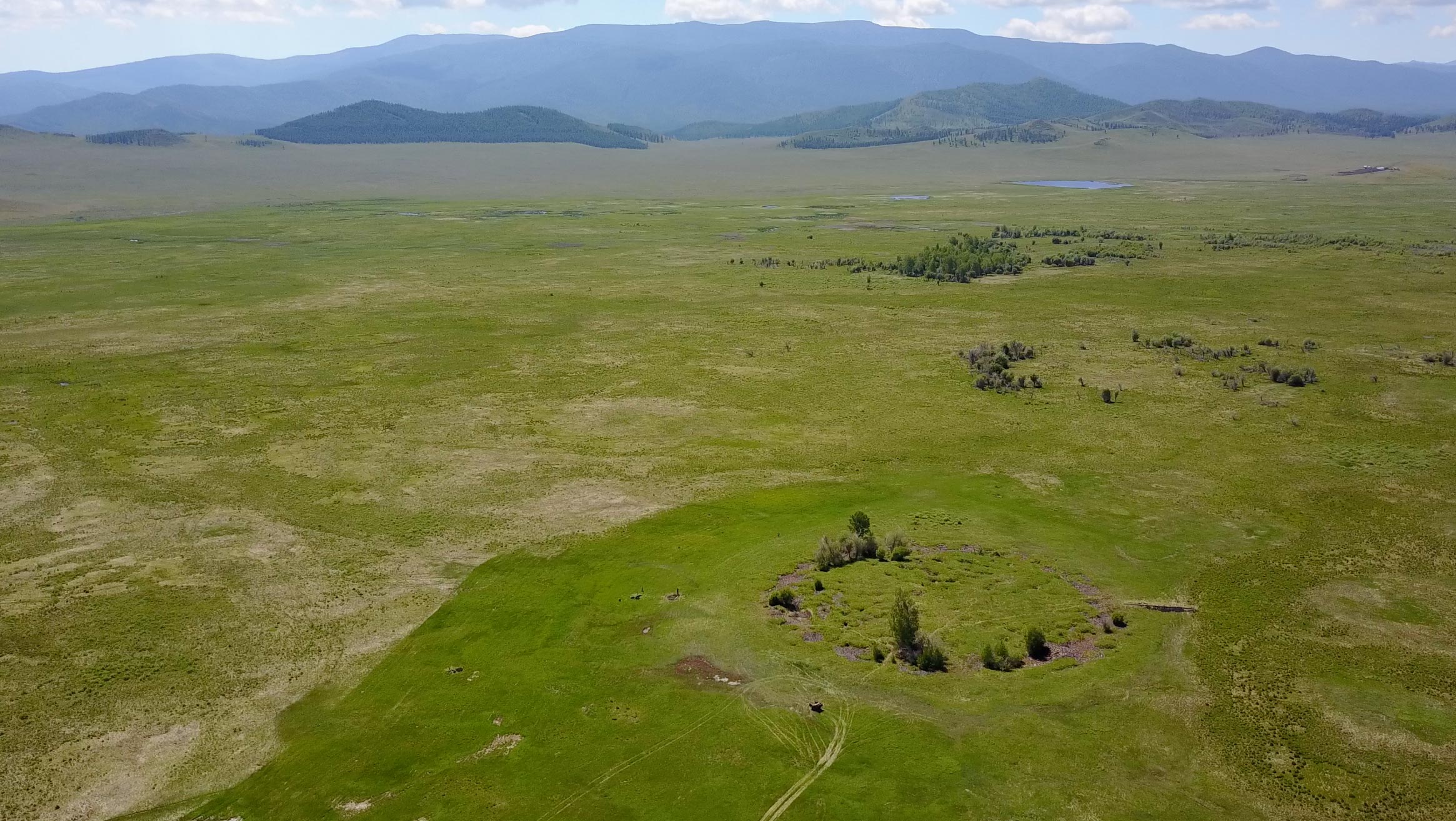
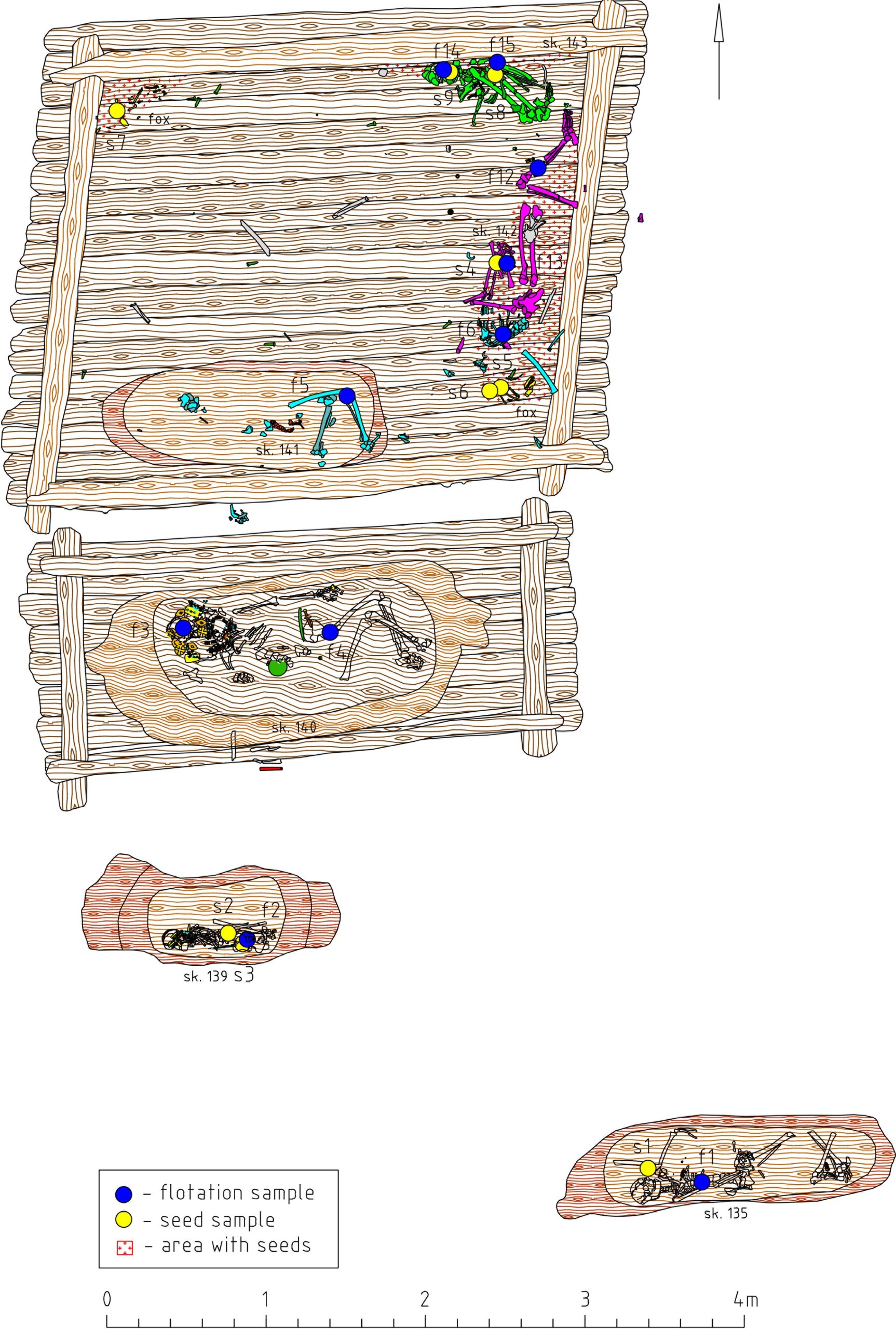
The tomb, in the South Siberian Republic of Tyva, belonged to high-ranking members of Scythian society, a horse-riding culture of the Eurasian steppe. Researchers investigating the burial found another source of evidence in preserved human hair from its central chamber.
Dr. Gino Caspari, an archaeologist at the University of Bern’s Institute of Archaeological Sciences and the Max Planck Institute of Geoanthropology in Jena, Germany, led the international research team and is the lead author of the study, published in Science. “The molecular traces in the hair and the cannabis seeds come from the same grave and suggest that cannabis was used for its intoxicating properties,” he says.
Cannabis and sacrifice in a Scythian tomb
By directly radiocarbon dating six seeds and combining those measurements with other dating results, the researchers determined that the seeds were placed in the grave in the early eighth century B.C. The findings provide what is currently the oldest directly dated archaeological evidence of cannabis use for its intoxicating properties. “The seeds show that cannabis played an important role in the rituals surrounding the burial,” says Caspari.
In an earlier publication, the team described the remains of 18 horses that had once been arranged on the burial mound. Several dozen additional horse sacrifices and scattered human bones have since come to light. “In this princely tomb, the burials were accompanied by extensive horse sacrifices and, most likely, human sacrifices as well,” says Caspari.
Hair preserves evidence of cannabis use
To investigate whether cannabis compounds had entered the bodies of people buried there, the researchers analyzed the hair using high-resolution mass spectrometry and other methods. Mass spectrometry helps distinguish compounds by the mass and electrical charge of their molecules or fragments. Several hair samples produced clear signals consistent with cannabinol, or CBN, a compound that can form through the oxidation of tetrahydrocannabinol, or THC, the main intoxicating compound in cannabis. The team also detected weak signals whose masses were consistent with THC.
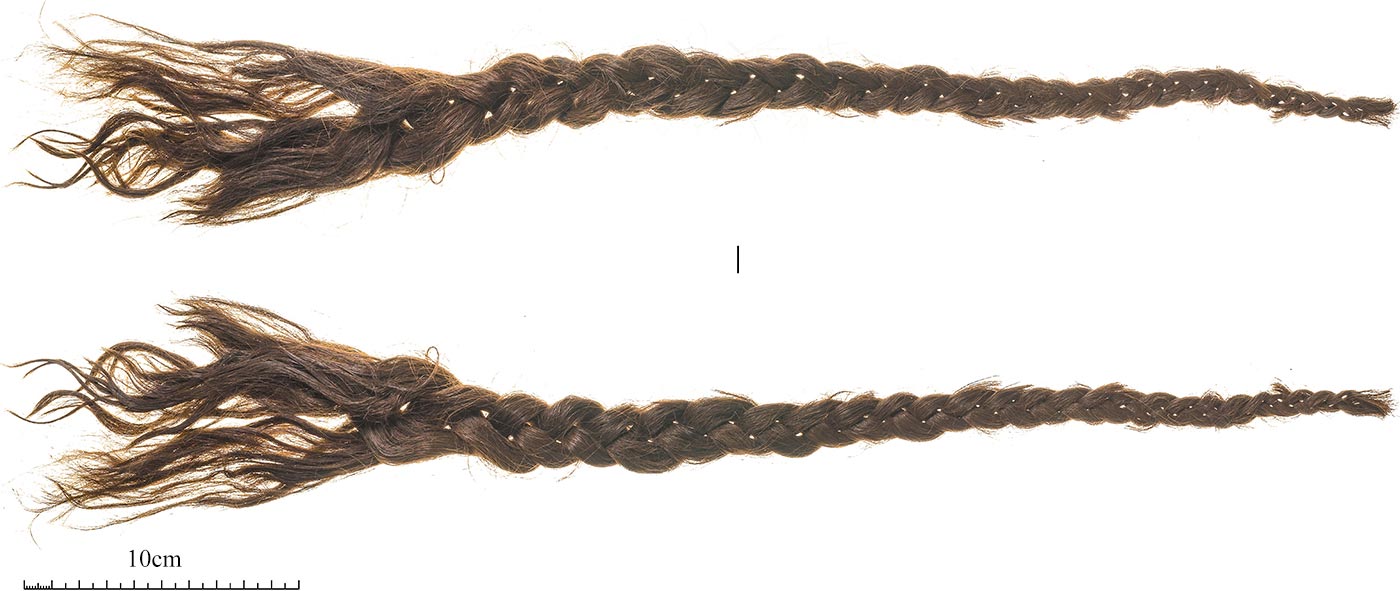
“This study is particularly insightful because it combines the analysis of plant remains with molecular traces in the human body,” says Caspari.
The researchers interpret the hair results as evidence of cannabis use, although the analyses cannot reliably establish how much was consumed or determine with certainty how its active compounds entered the body, such as through inhalation or ingestion. Later archaeological sites in Central Asia have yielded chemical residues of cannabinoids, compounds found in cannabis, in vessels and on heated stones that clearly indicate inhalation. The Tyva hair samples do not establish a particular method of consumption.
Ancient cannabis potency remains unknown
The recovered seeds likely came from wild plants, and the findings do not reveal how much THC those plants contained. It also remains unclear whether people specifically cultivated cannabis for its psychoactive properties or selected or cultivated plants for higher levels of active compounds.
The team is continuing its investigation. “We have already begun sequencing some of the plant samples,” says Caspari. “DNA preservation is excellent in this case. This will help us learn more about the history of the domestication and spread of this crop soon.”

Reference: “Direct evidence for psychoactive cannabis use 2800 years ago” by Gino Caspari, Timur Sadykov, Daria Fomicheva, Jegor Blochin, Dominic Armbruster, Oliver Happel, Natalia Ryabogina, Kseniia Boxleitner and Robert Spengler, 5 November 2026, Science.
DOI: 10.1126/science.aeg3800
Never miss a breakthrough: Join the SciTechDaily newsletter.
Follow us on Google and Google News.