
Close Menu
    Facebook X (Twitter) Instagram
    SciTechDaily
    • Biology
    • Chemistry
    • Earth
    • Health
    • Physics
    • Science
    • Space
    • Technology
    Facebook X (Twitter) Pinterest YouTube RSS
    SciTechDaily
    Home»Biology»Genetically Modified Mosquitoes to Fight Diseases
    Biology

    Genetically Modified Mosquitoes to Fight Diseases

    By SciTechDailyFebruary 21, 2012No Comments2 Mins Read
    Facebook Twitter Pinterest Telegram LinkedIn WhatsApp Email Reddit
    Share
    Facebook Twitter LinkedIn Pinterest Telegram Email Reddit
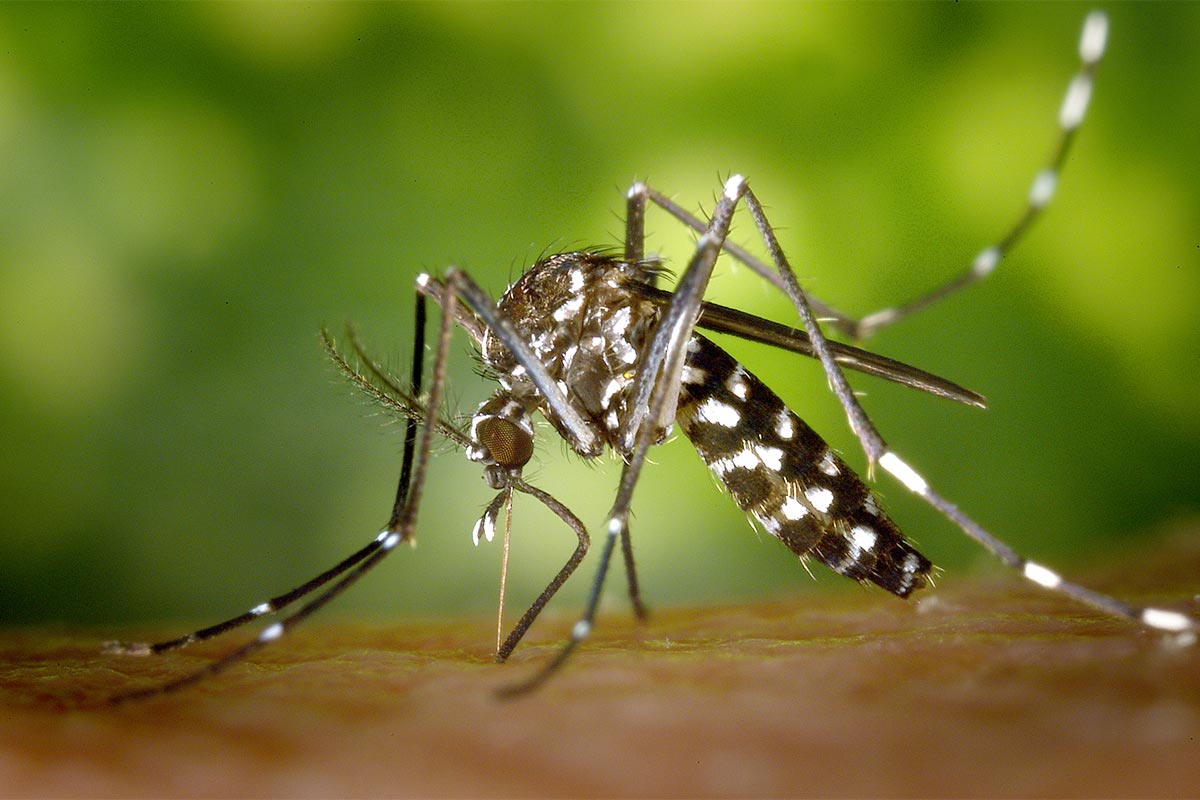
    Aedes Albopictus Asian Tiger Mosquito
    Aedes Albopictus Asian Tiger Mosquito. Credit: Photo by James Gathany/CDC

    Out of the 750,000 different species of insects covering Earth, there are about 14,000 that feed on blood, getting their sustenance by puncturing the skin of vertebrates. Certain strains of mosquitoes are infected with parasitic organisms that can become toxic and lethal to humans, once they are passed on.

    A new study published in the journal PLoS charts strategies for using the mosquitoes themselves to fight dengue fever and malaria, thanks to genetically modified insects. The main idea is to create mosquitoes that are less infectious, and pass these altered genes to the next generation.
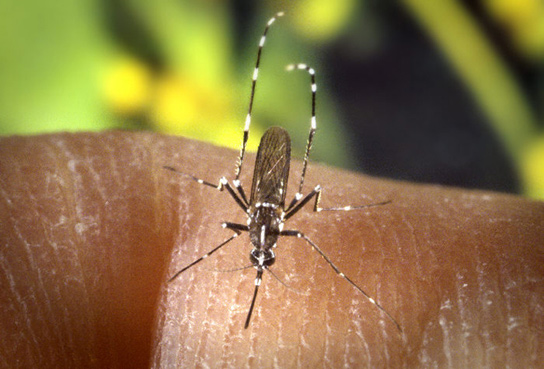
    aedes-albopictus

    Aedes aegypti is a carrier that causes dengue fever in humans, and researchers have discovered that by introducing Wolbachia bacterial strains into insects, the dengue fever virus doesn’t live as long inside their bodies. The bacterium can actually cause the dengue virus to stop replicating.

    A modified version of Wolbachia (wMelPop) caused the mosquitoes with the dengue fever virus to have shortened lifespans.

    In the Asian Tiger mosquito (Aedes albopictus), which is a carrier of dengue and chikungunya, it’s less likely to find a virus but hardier than its genetic relatives. Since they can easily spread around the globe, it would make sense to eradicate their infectious capabilities.

    Anopheles stephensi can become infected by Plasmodium, a parasitic protozoan that causes malaria in humans. A study boosted the mosquitoes’ immune system, allowing them to carry less of Plasmodium.

    A.albimanus is suitable to the same genetic tinkering, by tweaking the Rel2 protein, which can turn the immunity genes on and off. A. gambiae’s lifespan can be shortened by a Wolbachia bacterium strain.

    However, before these modified mosquitoes are unleashed, there needs to be further study on the overall impact.

    Never miss a breakthrough: Join the SciTechDaily newsletter.
    Follow us on Google and Google News.

    Bacteria Dengue Fever Disease Genetics Insect Malaria Mosquito
    Share. Facebook Twitter Pinterest LinkedIn Email Reddit

    Related Articles

    Researchers Create New CRISPR Genetic Tools to Help Contain Mosquito Disease Transmission

    Genetically Modifying Mosquitoes to Eliminate Malaria

    Gene Editing Technique Suppresses Malaria Infection in Mosquitoes

    A New Way to Attack Malarial Parasites in Blood Cells

    Transgenic Mosquitoes Can’t Transmit Malaria

    Widespread Presence of Antibiotic Resistant Bacteria in Agricultural Soils

    Acorn, White-Footed Mice and Tick Cycle Augment Risks of Lyme Disease in 2012

    Rare Example of Bacterial Gene Transfer Providing Evolutionary Benefit

    Researchers Identify Genetic Mutation While Studying Cold Urticarial

    Leave A Reply Cancel Reply

    • Facebook
    • Twitter
    • Pinterest
    • YouTube

    Don't Miss a Discovery

    Subscribe for the Latest in Science & Tech!

    Trending News

    These Toads Are Surviving a Deadly Fungus – Scientists May Finally Know Why

    These Brain Cells May Explain Why We Eventually Have To Sleep

    Tomatoes Contain an Invisible Ingredient With Surprising Effects on Liver Health

    World’s First Heat-Powered Cooling System Turns Waste Heat Into Cold

    Antarctica Gained a Record 695 Billion Tons of Ice in Just Two Years

    Don’t Miss: A Brilliant Venus and Glowing Harvest Moon Light Up the Sky

    New Twist on the Einstein Problem Reveals Unexpected Physics

    JWST Captures Stunning Evidence of How Supermassive Black Holes Feed

    Follow SciTechDaily
    • Facebook
    • Twitter
    • YouTube
    • Pinterest
    • Newsletter
    • RSS
    SciTech News
    • Biology News
    • Chemistry News
    • Earth News
    • Health News
    • Physics News
    • Science News
    • Space News
    • Technology News
    Recent Posts
    • Scientists Discover a Hidden Defect That Could Explain Why IBD Keeps Coming Back
    • Millions Take Blood Pressure Drugs, but Many May Be Missing Their Heart-Protective Benefits
    • Could Alien Life Be Conscious in Ways We Can’t Imagine?
    • Scientists Develop a Fruit Wash That Removes Pesticide Residues and Keeps Produce Fresh Longer
    • Scientists May Have Finally Explained Why Astronauts Get Constipated in Space
    Copyright © 1998 - 2026 SciTechDaily. All Rights Reserved.
    • Science News
    • About
    • Contact
    • Editorial Board
    • Privacy Policy
    • Terms of Use

    Type above and press Enter to search. Press Esc to cancel.