
The roots of inherited privilege may reach back thousands of years, with ancient graves revealing how one European community gradually became more divided by wealth and status.
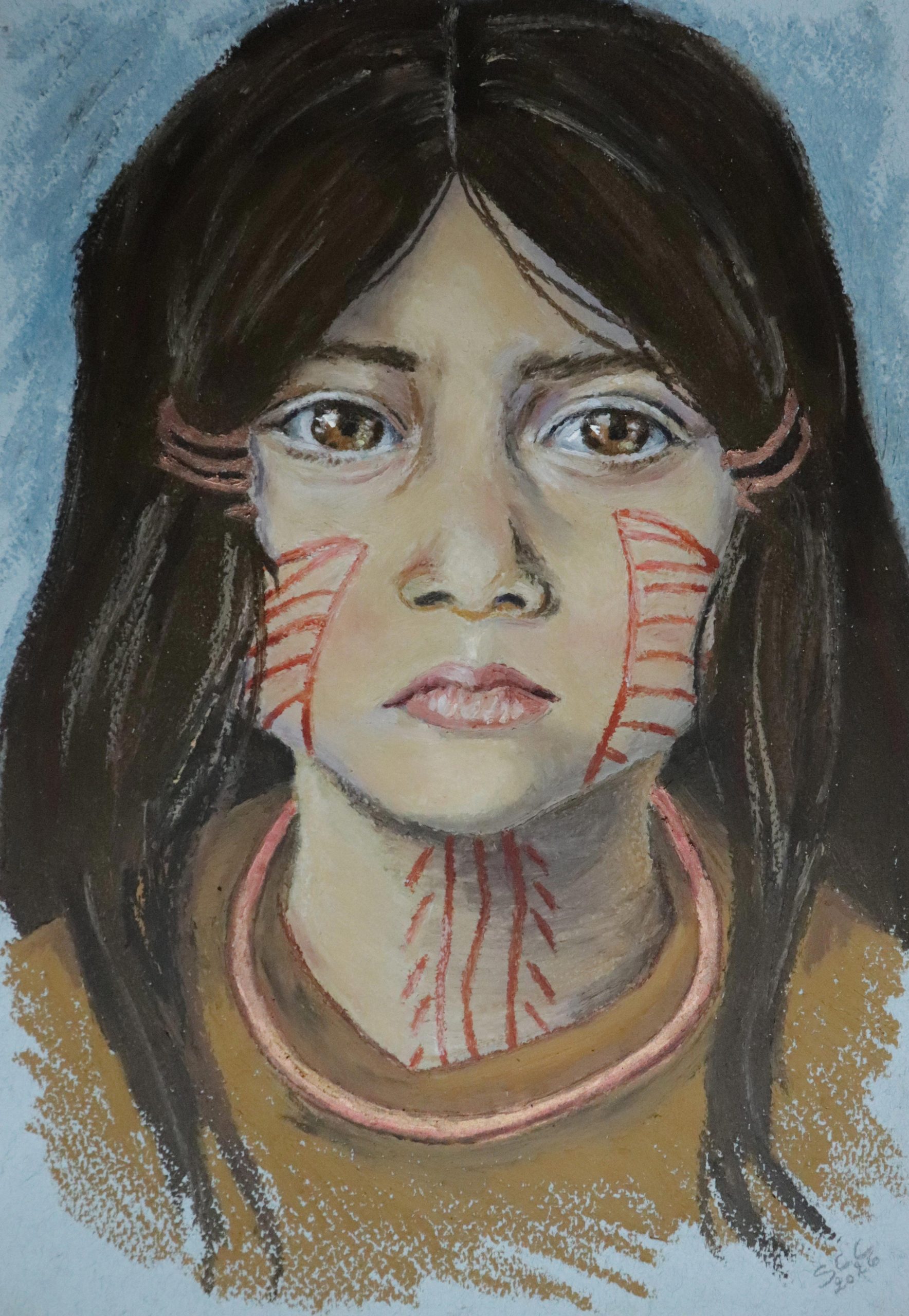
Among nearly 300 prehistoric graves examined in Bohemia, the richest belonged to a young girl. Buried alongside her was an exceptionally rare copper neck ring, an object that raises an intriguing question about life thousands of years ago. Was she born into a wealthy family, or did her elaborate burial reflect something else about how her community valued status?
For archaeologists, questions like these are difficult to answer because prehistoric societies left behind no census records, tax registers, or written accounts of who held wealth and power.
A new archaeological method is helping researchers piece together that missing history by examining how people buried their dead. Developed by University of Copenhagen archaeologist Mikkel Nørtoft during his PhD research, QuantWealth combines multiple forms of archaeological evidence to reconstruct social status, displays of wealth, and inequality. In a study published in the Journal of Neolithic Archaeology, Nørtoft and his colleague Adam B. Rohrlach applied the method to 296 graves belonging to the Corded Ware culture in present-day Bohemia, dating from approximately 2900 to 2300 BCE.
The researchers examined burial practices and grave goods alongside genetic ancestry, Y-chromosome patterns that trace paternal lineages, and skeletal evidence of age, sex, and pathological conditions. By comparing these different clues, they could investigate how social differences changed across several centuries. The findings suggest that inequality developed gradually rather than emerging as a firmly established social hierarchy when migrants from the eastern European steppe settled in the region.
Early migrants showed little inequality
The Corded Ware culture formed part of a much larger transformation in prehistoric Europe, when populations migrating from the steppe helped spread early Indo-European dialects across the continent. Archaeologists have debated whether these newcomers also introduced strongly patriarchal societies in which wealth and power passed primarily through family lines. The evidence from Bohemia points toward a more complicated history.
“Archaeologists have long debated whether steppe populations migrating across Europe from Ukraine brought with them a highly unequal social system and patriarchy. Our results suggest a much more dynamic picture, where social differences developed gradually. Achieving status through life-actions appears to have been more important than through inheritance, at least during the first 400 years”, says Nørtoft, the study’s lead author.
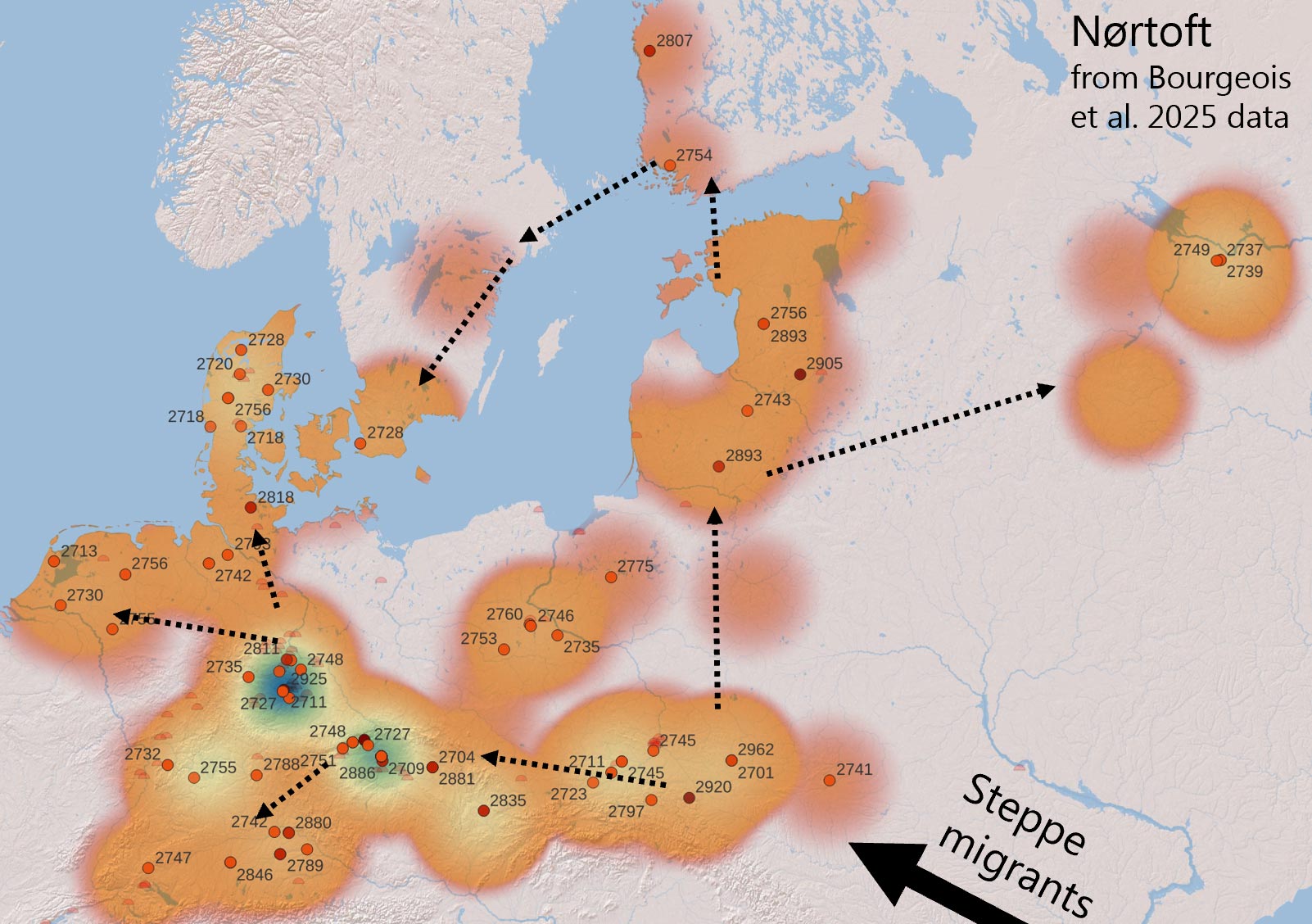
During the earliest period, approximately 2900 to 2700 BCE, burial practices suggest that the newly established communities placed considerable emphasis on shared traditions. Differences in grave wealth were relatively small and largely associated with age. There was little evidence of pronounced gender inequality, and power appeared to be distributed among several paternal lineages with steppe ancestry.
Nørtoft connects this early pattern to the circumstances surrounding the migrants’ arrival in Central Europe.
“Following a few harsh years of ‘dark sun’ clouded by a devastating volcanic eruption 2,900 BCE, the earliest herder communities, settling in Bohemia around 2,900-2,700 BCE, seem to have focused mostly on building social cohesion across this new network of migrants in Central Europe. In Bohemia, they did this through shared burial rituals, and building earthen mounds, but with few grave goods,” Mikkel Nørtoft explains.
Richer burials signal growing social competition
Between approximately 2700 and 2500 BCE, however, burial customs began to change. The appearance of a new paternal lineage coincided with increasingly elaborate funerals, including greater concentrations of prestigious objects and meat offerings. Exchange networks expanded, and differences between male and female burials became more pronounced.
Adult men were particularly likely to receive richly furnished graves, while younger adults became increasingly common among those buried. Despite this growing competition for status, the skeletal evidence did not show a clear corresponding increase in injuries associated with violence.
The final phase, spanning roughly 2500 to 2300 BCE, brought further changes. One paternal lineage had become dominant in the burial record, and a small number of children received unusually wealthy burials. Because children had less opportunity to accumulate status through their own accomplishments, these graves raise the possibility that some families had begun passing social advantages between generations.
“In the final phase, roughly 2,500-2,300 BCE, we see a few rich displays of family wealth through children, and the previously new lineage now dominated the burial record. So maybe the new lineage had gained the most followers and power through the competitive burial parties, and their descendants were now competing among themselves,” Mikkel Nørtoft points out and adds:
“The few rich child graves and this prevailing lineage could indicate more inherited wealth and emerging traits of persistent inequality. Ethnographic parallels could also support the idea that parents adorned their children with ornaments to increase their social value in future marriage exchange. Brides often moved into the husband’s household in Corded Ware societies, and bridewealth or dowry is preserved in early Indo-European vocabulary, and historically common in Indo-European societies.”
The extraordinarily rich grave of a young girl at Čachovice offers a particularly striking example of this possible shift. It was the wealthiest burial among all 296 graves examined and contained an extremely rare copper neck ring. Similar neck ornaments, known as torcs, became widespread symbols of upper-class status during the later European Bronze and Iron Ages. The researchers suggest that objects placed in children’s graves may sometimes have reflected family standing or efforts to enhance their social value in future marriage arrangements, although these interpretations remain uncertain.
Were family dynasties beginning to emerge?
Taken together, the changing burial patterns suggest that competition for prestige may have gradually created more lasting social divisions within Corded Ware communities. The possibility that wealth and status were becoming hereditary is especially significant because later Bronze Age societies provide evidence of enduring family dynasties. Whether the developments in Bohemia represented early steps toward those systems remains an open question.
Researchers will need additional archaeological and genetic evidence from both the Corded Ware culture and the related Bell Beaker culture, which subsequently replaced it in Central Europe, to determine how closely burial wealth corresponded to inherited family status. The study demonstrates how archaeological evidence, ancient DNA, and linguistic history can be combined to investigate social changes that written records cannot document.
“We now have a correlation between changing Y-haplogroup lineages and unequal burial wealth display in one region, but we need more DNA data to confirm this at the family level, and elsewhere,” explains Nørtoft.
Reference: “Cooperation and Competition: Changes in Wealth, Power, and Patrilines in the Czech Corded Ware Culture” by Mikkel Nørtoft and Adam B. Rohrlach, November 2026, Journal of Neolithic Archaeology.
DOI: 10.12766/jna.2026.7
Never miss a breakthrough: Join the SciTechDaily newsletter.
Follow us on Google and Google News.